
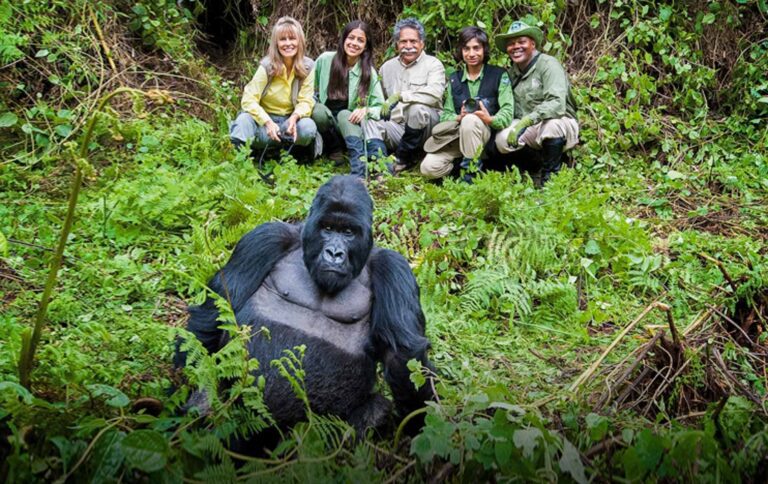
Gorilla Trekking
Trek mountain gorillas in Bwindi, Mgahinga or Volcanoes National Park. Compare Uganda and Rwanda permits, fitness, best time and gorilla tours.
Birding safari guide
East Africa brings together rainforest, savannah, wetlands, lakes and high mountains within a few days’ drive. That variety supports an exceptional range of birds, which is why bird watching safaris here are so rewarding. In fact, Uganda alone has recorded more than 1,000 species, while Kenya and Tanzania each have similar numbers. In addition, many species occur only in the Albertine Rift mountains along Uganda’s and Rwanda’s western borders.
A birding safari also gives you excellent mammal viewing. After all, the best birding areas are often the same parks where you see gorillas, chimpanzees, elephants and big cats.
Nyungwe Forest is Rwanda’s top birding site, with many Albertine Rift endemics such as the Rwenzori turaco. In addition, Akagera adds savannah and wetland species, while Volcanoes National Park offers high-altitude forest birds.
Kenya’s Rift Valley lakes, including Lake Nakuru and Lake Naivasha, hold large numbers of water birds. Flamingos also gather on the alkaline lakes when conditions suit them. Samburu, by contrast, adds dry-country species found nowhere else on a typical safari route.
Similarly, in Tanzania, Tarangire, Lake Manyara and the Serengeti combine excellent birding with classic game drives.
Birding is good all year. From about November to April, migrant birds from Europe and Asia also add to the resident species. In addition, many residents are in breeding plumage during the rains. As a result, the wetter months are rewarding for keen birders, even if some forest trails are muddy.
To plan bird watching safaris that suit you, first tell us your target species and experience level. Also let us know how much time you want to spend on birds versus other wildlife. Next, we plan the route and choose lodges close to the best birding areas. Where possible, we also arrange a specialist bird guide. Finally, bring good binoculars, a field guide or app, and lightweight clothing in muted colours. See our Uganda safaris or request a tailor-made birding safari.
Birds are most active in the first hours of light, so birding days start early. You usually leave the lodge at dawn with a packed breakfast, because the dawn chorus is the best time to find shy forest species. In fact, your guide listens as much as looks, picking out calls long before a bird appears.
By late morning, activity slows. As a result, many days include a drive to the next site, a long lunch or a rest at the lodge. Later, birds become active again, and a second session runs until dusk. On some evenings, you can also listen for owls and nightjars around the lodge grounds.
Finally, many birders end the day by going through the list with their guide. This is a good moment to confirm tricky sightings and plan tomorrow’s targets.
Beyond the headline parks, several smaller sites add species that few itineraries reach. Here is how we use them on a Uganda route.
Shoebills feed quietly in the channels of Mabamba Swamp, and mornings usually bring the best views. Local guides paddle you through the papyrus in a canoe. Because the swamp lies near Entebbe, it fits easily into your first or last day.
From Ruhija, a steep forest trail descends towards Mubwindi Swamp. In fact, this walk is one of the best chances to find the African green broadbill. It is a full, demanding day, so we plan it for keen birders with good fitness.
Echuya, between Kabale and Kisoro, holds a bamboo and swamp habitat that suits several localised species, including Grauer’s swamp warbler. Nearby, Mgahinga also offers montane birds such as the Rwenzori turaco.
A boat trip on the lake at Lake Mburo National Park gives a good chance of the elusive African finfoot. Meanwhile, the acacia woodland holds the red-faced barbet and other savannah species.
Finally, in the far north-east, Kidepo Valley adds dry-country birds, including ostrich and Kori bustard, that you rarely see elsewhere in Uganda.
The answer depends on how serious you are about birds. A morning at Mabamba makes an easy add-on to any Uganda trip. However, a dedicated birding route across forest, savannah and wetland usually needs ten to sixteen days.
Shorter trips work best when they focus on one region. For example, a week in the south-west can combine Lake Mburo, Bwindi and Echuya. Alternatively, Rwanda’s compact size makes a short Nyungwe and Akagera trip practical. Longer bird watching safaris can also cross into Kenya or Tanzania for Rift Valley and savannah species.
Good optics make the biggest difference. Binoculars around 8×42 suit both dark forest and open plains. In addition, a spotting scope helps with distant water birds, although your guide may carry one.
For photography, a long lens of 400mm or more is ideal. On game drives, the pop-up roofs on our Land Cruisers give you a stable, raised platform. A beanbag also steadies the lens. In the forest, however, light is low, so expect to raise your ISO.
Birds come first on a responsible trip. Our guides use call playback sparingly and never near nests, because repeated calls can stress breeding birds. Likewise, canoes and boats keep a respectful distance from shoebills, so the bird keeps feeding naturally.
Stay on marked trails, follow ranger instructions and never feed wildlife. Where possible, we also use community guides, such as the paddlers at Mabamba and the walk leaders at Bigodi. As a result, their income gives local people a direct reason to protect wetlands and forests.
Many of the best birding forests are also primate forests. As a result, it is easy to add gorilla trekking in Bwindi or chimpanzee tracking in Kibale to a birding route. On trekking days, keep your binoculars handy, since forest birds often appear along the trail.
Savannah parks bring big game into the mix. In Queen Elizabeth or Murchison Falls, for example, you can follow a morning game drive with an afternoon boat trip packed with water birds. This balance works well when travelling with a partner who enjoys wildlife but is not a dedicated birder.
Bird watching safaris suit everyone from beginners to experienced listers. Beginners enjoy the colour and variety, while keen birders can chase endemics and rare species. Photographers, meanwhile, find superb subjects on the lakes and wetlands.
Every Traford safari is private, so the pace matches your interest. For example, Signature uses luxury lodges and Classic offers comfortable mid-range stays. Adventurer, by contrast, keeps costs down with simpler accommodation. The official authorities set park and activity fees, and we then confirm them at booking.
The Uganda Wildlife Authority and Rwanda Development Board (Visit Rwanda) set the entry fees, permit prices and park rules for birdwatching safaris. Because rates change from time to time, we always confirm the latest fees when you book and show them clearly in your quote.
Want help planning? Talk to our team about your dates, budget and travel style.
Questions
Mabamba Swamp near Entebbe is one of the most reliable sites, and you usually explore it by canoe in the morning. The Nile Delta in Murchison Falls National Park is also a good option.
It depends on your route and how much time you spend birding. For example, a dedicated two-week trip in Uganda can record several hundred species. However, a general safari with some birding time still produces a long list.
For serious birders, yes. A specialist guide knows the calls and the best sites for target species. Our driver-guides are knowledgeable about common birds, and we can also arrange specialist guides on request.
Yes. Bwindi is one of Uganda’s best birding sites, so it is easy to add birding walks before or after your gorilla trek.
Keep exploring
Trek mountain gorillas in Bwindi, Mgahinga or Volcanoes National Park. Compare Uganda and Rwanda permits, fitness, best time and gorilla tours.
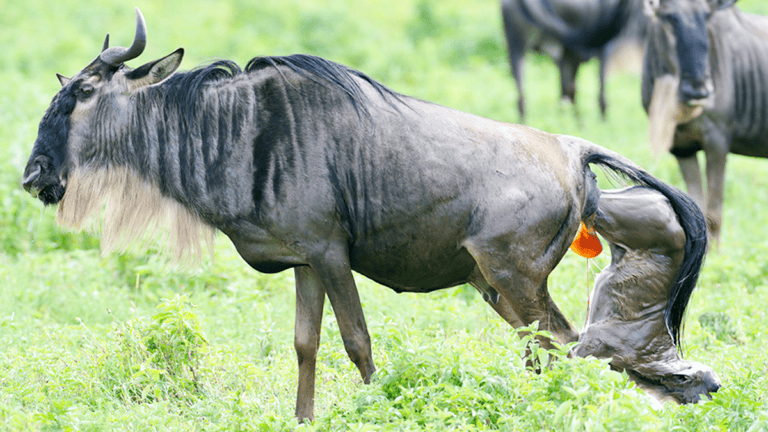
Follow the Great Migration through the Serengeti and Masai Mara: month-by-month movements, river crossings, calving season and migration safaris.
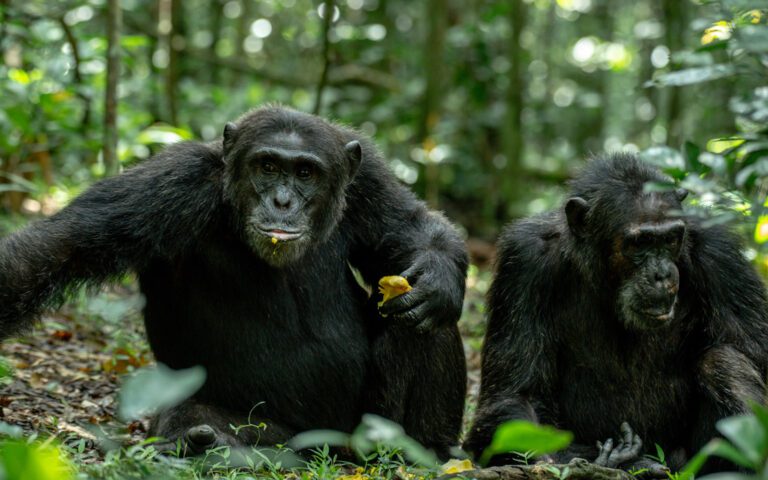
Track wild chimpanzees in Kibale, Kyambura Gorge, Budongo and Nyungwe. Permits, habituation experiences, best time and chimp safari packages.
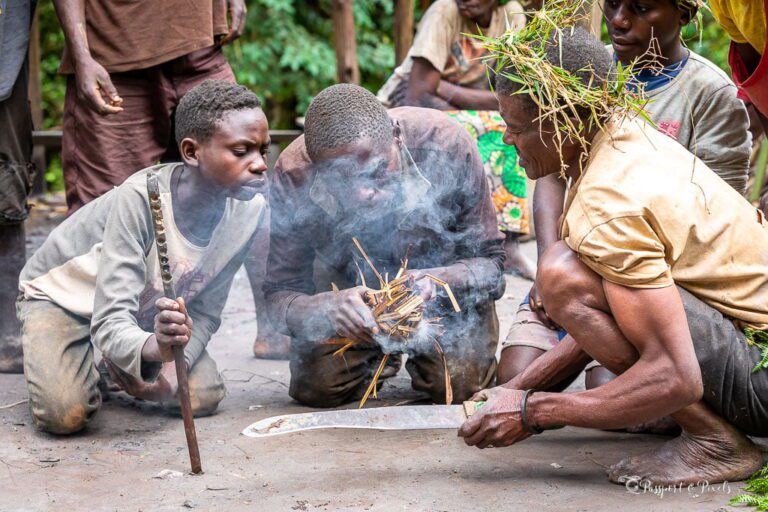
Meet the Batwa, Maasai, Karamojong and Rwanda’s village communities on a cultural safari, with respectful visits that support local people.
Safari packages
Itineraries that can include this destination. Every trip can be adjusted to your dates and budget.
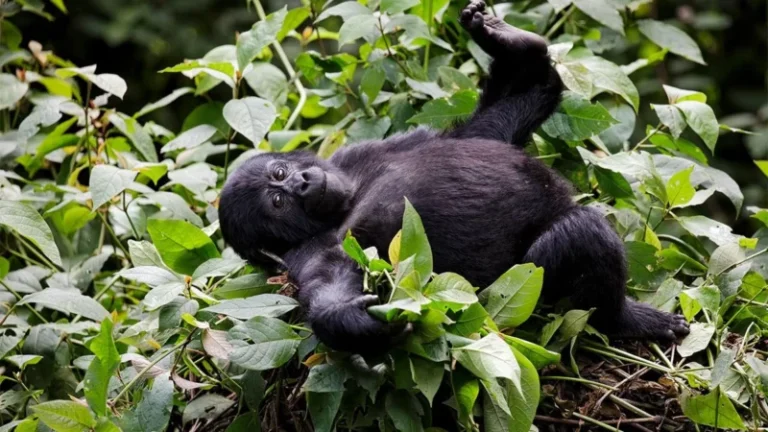
Start in Kigali and cross into Uganda to trek mountain gorillas in Bwindi Impenetrable Forest on this 4-day gorilla safari.
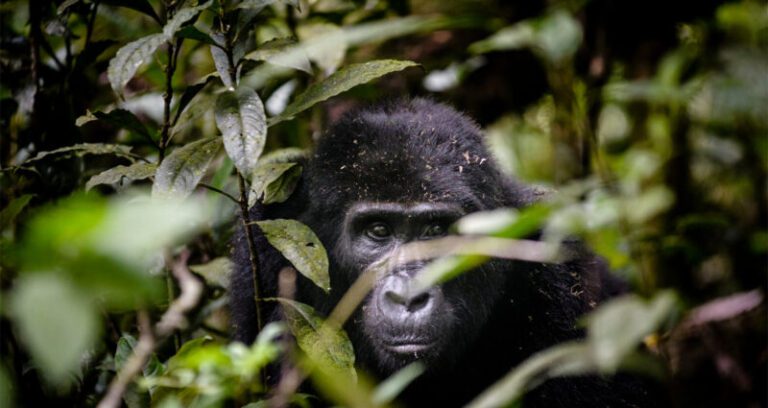
Big-game drives in Rwanda’s Akagera National Park combined with mountain gorilla trekking on this 7-day Rwanda and Uganda safari.
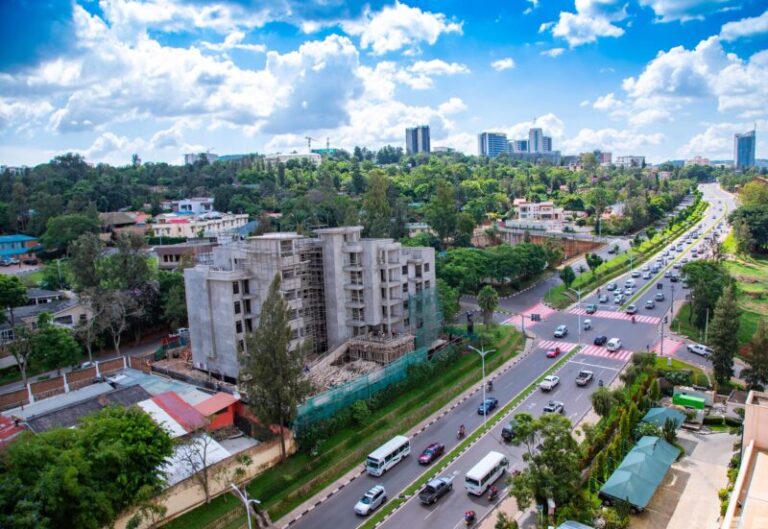
An overland week through three countries: Kigali in Rwanda, Uganda’s highlights and Burundi, on this 7-day multi-country tour.
We use cookies to understand how visitors use our website so we can keep improving it. You can accept or decline analytics cookies. Read our Privacy & Cookie Policy.
Gorilla Trekking, Wildlife Tours & Cultural Experiences.