
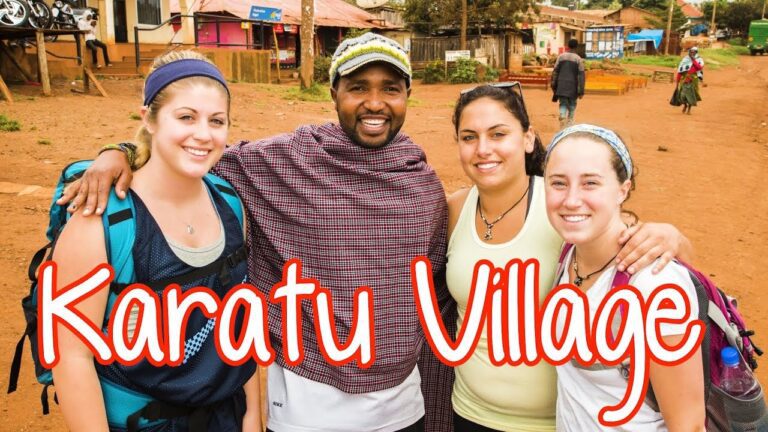
Karatu Town and Village
Discover Karatu, the gateway town to Ngorongoro Crater: coffee farm tours, Iraqw culture, Lake Eyasi and the Hadzabe, and great-value lodges.
Park guide
Serengeti National Park is one of the greatest wildlife areas on Earth. Its name comes from the Maasai word for “endless plains”. At almost 15,000 square kilometres, it truly feels that way. Every year, around two million wildebeest, zebras and gazelles move in a vast circle through the park. Meanwhile, lions, cheetahs, leopards and hyenas follow closely behind.
Because the herds keep moving, the Serengeti offers something special in every season. The key, therefore, is to stay in the right area at the right time, which is exactly what we plan for you.
The central Seronera Valley has water all year, so resident wildlife stays put. As a result, it is one of the best places in Africa to see leopards in the sausage trees. You can also spot lions on the kopjes.
Most road safaris start in Arusha and travel via Tarangire, Lake Manyara and Ngorongoro. They then reach the Serengeti in about seven to eight hours. Alternatively, scheduled flights from Arusha land at several Serengeti airstrips.
Serengeti National Park covers a huge area of northern Tanzania. It stretches from the Ngorongoro highlands to the Kenyan border and almost to Lake Victoria. The park is a UNESCO World Heritage Site, and Tanzania National Parks (TANAPA) manages it. In addition, different regions suit different times of year:
The migration is only part of the story. In fact, the Serengeti supports large resident populations of lion, leopard, cheetah and spotted hyena. It also has elephants, buffalo, giraffe, hippos, topi, impala and both Thomson’s and Grant’s gazelles. You will often see smaller predators such as servals, jackals and bat-eared foxes. In addition, hundreds of bird species live here, from ostriches and secretary birds to colourful rollers and bee-eaters.
Safari days in Serengeti National Park start early. You usually leave camp at first light, when lions are still active and the air is cool. After a few hours, many guests stop for a picnic breakfast under an acacia tree. Meanwhile, the plains stretch out on every side.
By late morning, the heat builds and most animals rest in the shade. This is a good time to return to camp for lunch and a break. Then, in the mid-afternoon, you head out again until the light fades. Game drives inside the park take place in daylight, so you return before dark.
Our 4×4 Land Cruisers have pop-up roofs, which let you stand and look across the grass. As a result, you can scan for cats on the kopjes and take photos without leaving the vehicle. Full-day drives with a packed lunch also work well when the herds are far from camp.
A balloon flight is one of the great Serengeti experiences. Flights launch at dawn from the central Seronera area, while seasonal launch sites follow the herds in other regions. First, a driver collects you from camp before sunrise and takes you to the launch site.
Once airborne, the balloon drifts low over the plains for about an hour. From above, you may see herds of wildebeest, giraffes crossing the grass and hippos in the rivers. Afterwards, the flight usually ends with a breakfast in the bush before you rejoin your guide.
Balloon flights depend on the weather, and age and weight limits apply. They also fill early in the peak season. So we suggest booking at the same time as your safari.
Day 1: From the highlands to the plains. Leave the Ngorongoro highlands or Karatu after breakfast and drive down to the short-grass plains. After entering at Naabi Hill gate, you game drive north towards central Serengeti. You then arrive at camp in the late afternoon.
Day 2: Seronera and the kopjes. Spend a full day exploring the Seronera Valley and nearby kopjes, such as the Simba and Moru kopjes. These rocky outcrops attract lions and leopards, while the rivers draw elephants and buffalo.
Day 3: Balloon or final drive. Take an early balloon flight or a last game drive. Then fly out from a Serengeti airstrip, or drive back towards Ngorongoro for the next part of your trip.
When the herds are in the far north or the south, we add a night or two in that region. Our Great Migration guide also explains where they are likely to be.
The long dry season runs from about June to October. Grass is short, animals are easy to spot and roads are dusty. In contrast, the short rains usually arrive in November and December, bringing fresh grazing to the southern plains.
The long rains fall from around March to May. Some camps close during this time, and certain tracks become muddy. On the other hand, the plains turn green, visitor numbers drop and the scenery is beautiful. Mornings can be cool all year, especially on the open plains, so pack a warm layer whatever the month.
Pack light layers in neutral colours, a fleece for early mornings and a hat for the midday sun. Dust can be heavy in the dry season, so a scarf or buff helps. In wooded areas such as the Western Corridor, tsetse flies are common. Therefore, avoid dark blue and black clothing.
A zoom lens in the 100 to 400 mm range covers most sightings. Also bring a beanbag to rest the lens on the roof. Then keep your camera in a bag when the vehicle is moving. Spare batteries are useful, although our vehicles have charging ports.
Keep voices low and stay seated when animals are close. Above all, let your guide follow park rules on tracks and distances, even if other vehicles do not. Patience at a sighting often pays off, and the animals stay relaxed. When you are ready, send us your dates. We will then plan the right Serengeti region for your travel month.
The Serengeti is the centrepiece of our 8-day Tanzania safari, 9-day Tanzania adventure safari and 12-day Tanzania wildlife safari. For a shorter trip, see the 6-day Tanzania wildlife safari.
Explore the 5-day Tanzania Big Five safari, the 8-day Tanzania safari or the 11-day best of Tanzania tour with Zanzibar.
Three nights is ideal. However, stay longer if you want to follow the migration in the north or south.
The Serengeti is much larger and less crowded in many areas. Meanwhile, the Mara is easier to reach from Nairobi. Both are excellent, and you can also combine them.
Most wildebeest give birth on the southern plains around January and February. However, the exact timing depends on the rains, so we plan your camp location around the latest conditions.
Yes. Light aircraft connect Arusha and other parks with several Serengeti airstrips. As a result, flying saves a long drive and is ideal for reaching the remote northern or western areas.
Game viewing is good all year because of the large resident wildlife population. Choose January to March for calving, June to July for the Western Corridor and July to October for Mara River crossings.
Beyond the migration, Serengeti’s diverse ecosystems support a rich array of wildlife. These range from open plains and acacia woodlands to kopjes (rock outcrops). For example, visitors can encounter the Big Five—lion, leopard, elephant, buffalo, and rhinoceros—alongside cheetahs, hyenas, and numerous bird species. As a result, it is a premier destination for game viewing and photographic safaris. In addition to wildlife viewing, Serengeti National Park offers a range of activities to enhance the visitor experience.
First, expert rangers lead guided game drives that provide intimate insights into the park’s ecosystems and animal behaviours. For a more immersive experience, visitors can also embark on walking safaris. Skilled guides lead these walks across the park’s terrain on foot. Meanwhile, hot air balloon safaris offer a unique vantage point. From above, you can appreciate the vastness of the Serengeti and its dynamic wildlife.
Moreover, the Serengeti’s numerous lodges and camps provide luxurious accommodations. As a result, visitors can enjoy the park’s beauty and biodiversity in comfort. Together with other prominent Tanzania National Parks, Serengeti remains a central jewel in Tanzania’s conservation and tourism efforts. In short, it offers an unforgettable exploration of Africa’s natural heritage.
Every Traford safari comes in three styles: Signature (luxury), Classic (mid-range) and Adventurer (budget). These are the camps and lodges we recommend most often. However, final choices depend on your dates and availability.
Keep exploring
Discover Karatu, the gateway town to Ngorongoro Crater: coffee farm tours, Iraqw culture, Lake Eyasi and the Hadzabe, and great-value lodges.
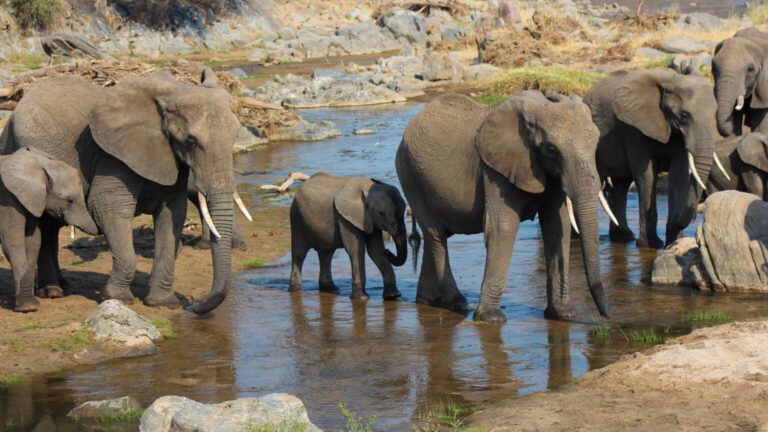
Visit Lake Manyara National Park in Tanzania: tree-climbing lions, flamingos, baboons, a treetop walkway and the Rift Valley escarpment.
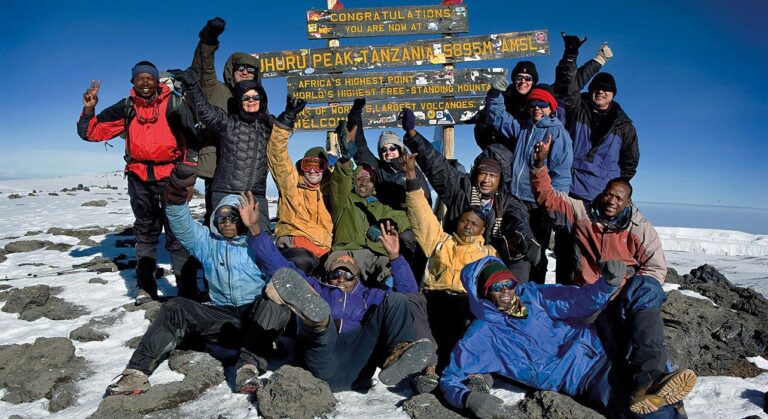
Plan a Mount Kilimanjaro climb in Tanzania: Machame, Lemosho, Marangu and Rongai routes, how many days, best time to go and day hikes.
Safari packages
These itineraries can include this destination. In addition, we can adjust every trip to your dates and budget.
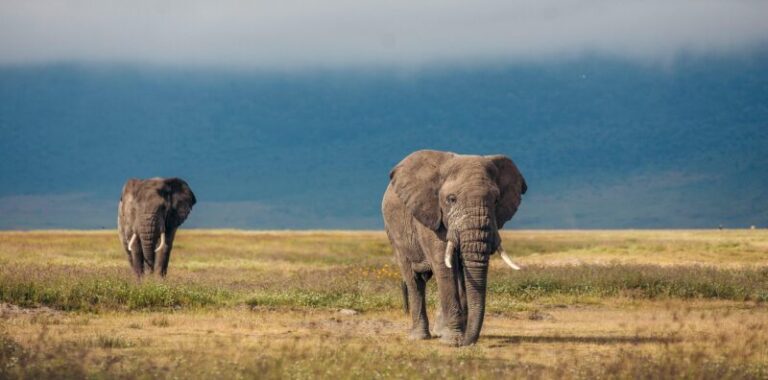
Eleven days covering Tarangire, Lake Manyara, Ngorongoro and the Serengeti, finishing with relaxing days on the beaches of Zanzibar.
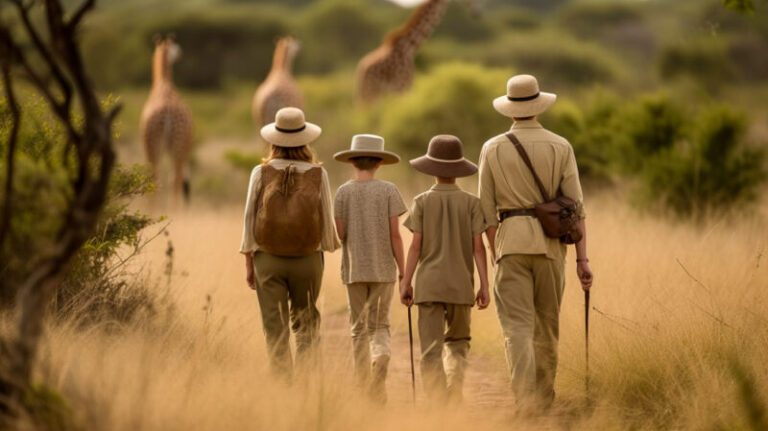
Tarangire, Lake Manyara, the Serengeti and Ngorongoro Crater in six days: a classic northern-circuit Tanzania wildlife safari from Arusha.
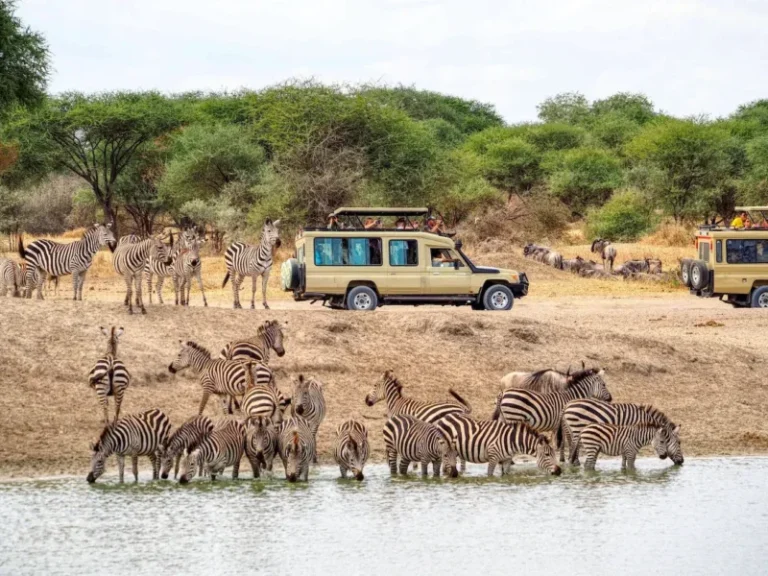
Eight days on Tanzania’s northern circuit: Tarangire, Lake Manyara, two or more days in the Serengeti and a descent into Ngorongoro Crater.
We use cookies to understand how visitors use our website so we can keep improving it. You can accept or decline analytics cookies. Read our Privacy & Cookie Policy.
Gorilla Trekking, Wildlife Tours & Cultural Experiences.