
Akagera National Park
Visit Akagera National Park, Rwanda’s only Big Five park: game drives, Lake Ihema boat safaris, lodges and easy trips from Kigali.
Rwanda national parks
Rwanda is one of the best places in Africa for gorilla trekking and wildlife safaris. In fact, Rwanda national parks cover a remarkable range of landscapes for such a small country. These include volcanoes and montane rainforest as well as lakes and open savannah.
Volcanoes National Park, in the north-west, is the most famous. It protects Rwanda’s share of the Virunga Mountains, one of only two places on Earth where mountain gorillas live. As a result, it is the starting point for gorilla trekking in Rwanda. Each permit gives you one hour with a habituated gorilla family in its natural home.
Beyond the gorillas, the park is also a place for hiking. Trails climb through bamboo forest to golden monkey groups and to Dian Fossey’s grave and research site. They also lead up Mount Bisoke to its crater lake. Then there is Mount Karisimbi, the highest of the Virunga volcanoes, which offers a tougher two-day climb.
The chain of dormant volcanoes also gives the park a landscape unlike anywhere else in East Africa. Here, misty slopes and deep green forest open onto sweeping views across the Virungas. Meanwhile, strong conservation work and carefully limited permits have helped the gorilla population grow. In addition, every visit contributes directly to protecting the park and supporting nearby communities.
Some visitors come to stand a few metres from a wild mountain gorilla. Others come to climb a volcano or simply to see one of Africa’s great conservation stories. Either way, Volcanoes National Park is the highlight of most Rwanda safaris. It is therefore a must for anyone exploring the country’s wild places.
Rwanda is small enough that each of its national parks can be reached from Kigali within a day. Even so, every one protects a very different habitat. Here is what each park does best.
Set in the Virunga Mountains near Musanze, this is Rwanda’s mountain gorilla park. It lies roughly two and a half hours by road from Kigali. Beyond gorilla trekking, you can also track the rare golden monkey or hike to the crater lake on Mount Bisoke. In addition, you can walk to Dian Fossey’s grave at the site of her former Karisoke research camp.
In the south-west, Nyungwe is one of the oldest and best-preserved montane rainforests in Africa. It is home to chimpanzees as well as Rwenzori colobus monkeys, which move in unusually large troops. The forest also shelters many Albertine Rift endemic birds. Above all, the canopy walkway, suspended high above a forested valley, is the park’s signature experience. Allow at least two nights, because the drive from Kigali takes most of a day.
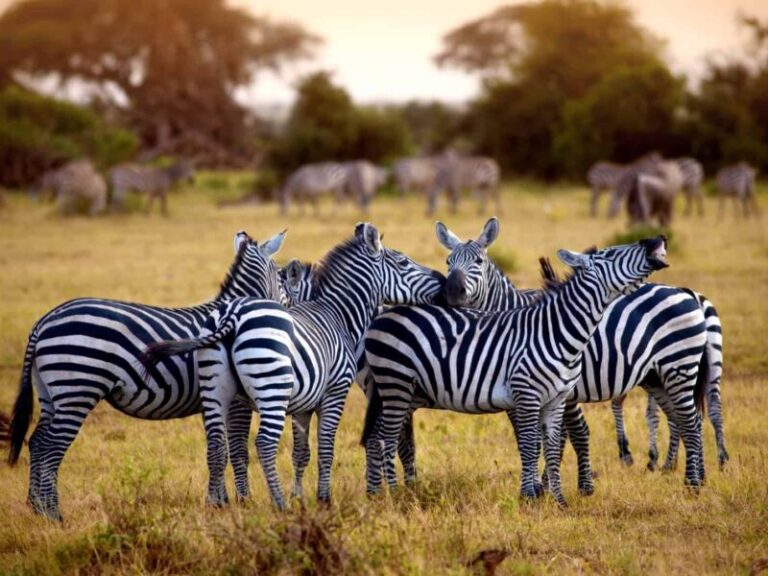
Akagera, on the eastern border with Tanzania, is a landscape of lakes, papyrus swamps and rolling savannah. Lions were reintroduced in 2015 and black rhinos in 2017, so the Big Five can once again be seen here. As well as game drives, you can take a boat trip on Lake Ihema and enjoy excellent birding. As a result, the park makes a natural contrast to the forest parks. African Parks manages it in partnership with the Rwanda Development Board.
Gishwati-Mukura was formed from two separate forest fragments in the west of the country. It is Rwanda’s youngest national park, and it is still being restored after years of forest loss. On guided walks, you can see a small chimpanzee community, golden monkeys, L’Hoest’s monkeys and forest birds. The park receives few visitors. However, it fits neatly into a route along Lake Kivu between Volcanoes and Nyungwe.
Rwanda can be visited all year, but the two dry seasons are the most comfortable:
The Rwanda Development Board issues gorilla and other park permits. Numbers are strictly limited each day, so we recommend booking several months ahead for the dry season. Gorilla trekkers must be at least 15 years old. Rates are confirmed at booking. Browse our Rwanda safaris or read our guides to Nyungwe Forest and Akagera National Park.
Almost every trip begins at Kigali International Airport, which has direct flights from Europe, the Middle East and across Africa. From the capital, good tarmac roads then lead to each park. Volcanoes is the closest, while Nyungwe takes the longest drive, so routes usually follow a loop rather than returning to Kigali each time.
Distances are short by African standards, but the roads wind through steep hills. As a result, journeys take longer than the map suggests, and we plan stops for lunch and viewpoints along the way. For travellers short on time, light aircraft and helicopter transfers can also link Kigali with some parks.
Lake Kivu, on the western border, is the natural place to rest between forest parks. Rubavu, Karongi and Rusizi sit on its shore, while the lakeside road links Volcanoes with Nyungwe. In addition, Kigali itself deserves at least half a day. See our Kigali city guide for ideas.
Every Traford safari comes in three styles. Signature trips use Rwanda’s luxury lodges, several of which sit right on the edge of the parks. Classic trips, meanwhile, use comfortable mid-range lodges and hotels with good service and easy access to trailheads. Adventurer trips keep costs down with clean guesthouses in nearby towns such as Musanze. Whichever you choose, we pick locations that keep early-morning drives short.
Forest treks are steep, muddy and at altitude, so regular walking before your trip pays off. You should also pack waterproof boots, a rain jacket, long trousers and gardening gloves for nettles. A warm layer is useful too, because mornings in the mountains are cool.
Rwanda banned plastic carrier bags many years ago, so leave them at home. On the last Saturday morning of each month, most people take part in Umuganda, a community work session. During those hours, roads are quieter and some travel may wait until it ends, so we plan around it.
Never trek if you are unwell, because gorillas and chimpanzees catch human illnesses. Flash photography is not allowed with primates. You should also keep the distance your guide asks for. Always ask before photographing people in villages and markets.
Rwanda pairs easily with its neighbours. For example, many travellers cross into Uganda to trek gorillas in a second park; read our gorilla trekking guide to compare. Burundi lies to the south, and our guide to Burundi national parks covers Kibira, Rusizi and Lake Tanganyika. For savannah on a bigger scale, short flights from Kigali also reach Kenya and Tanzania. You can then enjoy a classic safari after the forests.
When you are ready to plan, send us your dates and we will build a route through Rwanda national parks around your interests.
A Rwanda safari suits travellers who want plenty of variety in a short time. Because distances are small, one trip can include gorillas, chimpanzees and savannah wildlife. It also suits first-time visitors to Africa, since Kigali is easy to reach and the main roads are good.
However, Rwanda is not the place for long game drives every day. Instead, it rewards travellers who enjoy early starts, green hills and slower forest walks.
Families can enjoy Rwanda’s parks, even though gorilla trekking has a minimum age. While older teenagers trek, younger children can still join other activities. For example, game drives and boat trips in Akagera suit most ages. Similarly, the Lake Kivu shore is a relaxed place to spend a day between parks.
Travellers with limited mobility should talk to us before booking. Forest trails are steep and often muddy, so some treks are hard going. In Volcanoes National Park, however, local porters can be hired to carry your bag and help on steep sections. Rangers also try to match trekkers with a gorilla family that suits their fitness, although this is never guaranteed. In addition, game drives in Akagera need very little walking.
Whatever your needs, we then adjust the pace, the lodges and the daily driving times to suit your group.
The rainy seasons are often quieter, and the scenery is at its greenest. Still, rain can fall heavily, so it helps to plan with care.
Even so, the wet months can be very rewarding for travellers who come prepared.
Entry fees, permit prices and park rules for Rwanda National Parks are set by the Rwanda Development Board (Visit Rwanda). Because rates change from time to time, we always confirm the latest fees when you book and show them clearly in your quote.
Want help planning? Talk to our team about your dates, budget and travel style.
Explore
Visit Akagera National Park, Rwanda’s only Big Five park: game drives, Lake Ihema boat safaris, lodges and easy trips from Kigali.

Kigali city: things to do in Kigali, Rwanda: Genocide Memorial, Kimironko market, Nyamirambo, art and coffee.
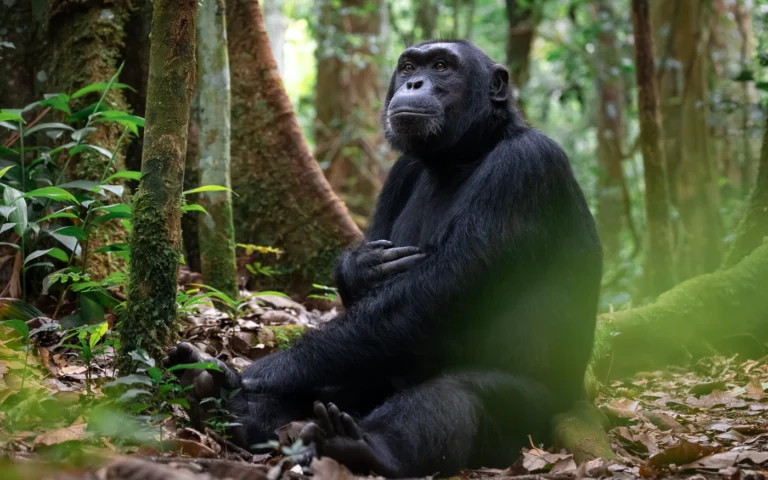
Explore Nyungwe Forest National Park in Rwanda: chimpanzee tracking, the canopy walkway, 13 primate species, waterfall hikes and lodges.
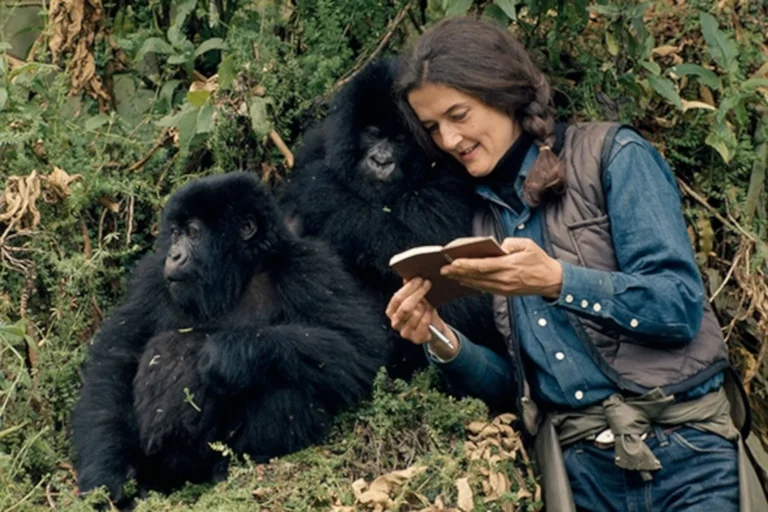
Plan gorilla trekking in Volcanoes National Park, Rwanda: $1,500 permits, golden monkeys, Dian Fossey hike, lodges and the best time to visit.
Safari packages
Itineraries that can include this destination. Every trip can be adjusted to your dates and budget.
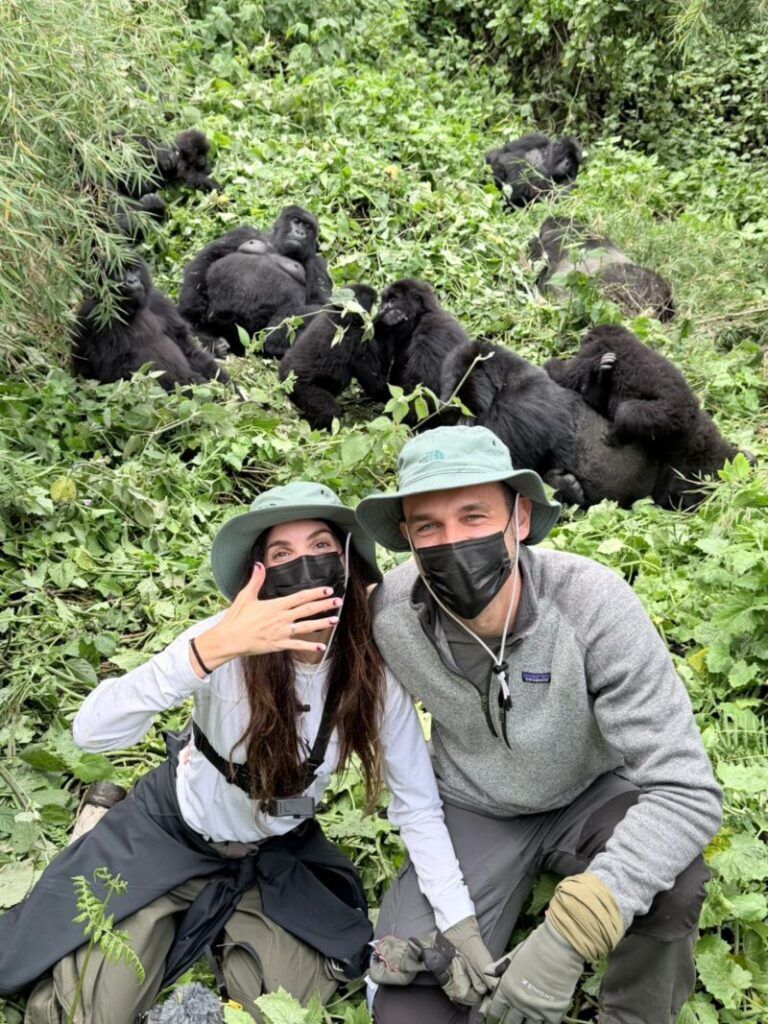
The Masai Mara, mountain gorillas in Bwindi and Lake Kivu in one journey: a 10-day East Africa safari across Kenya, Uganda and Rwanda.
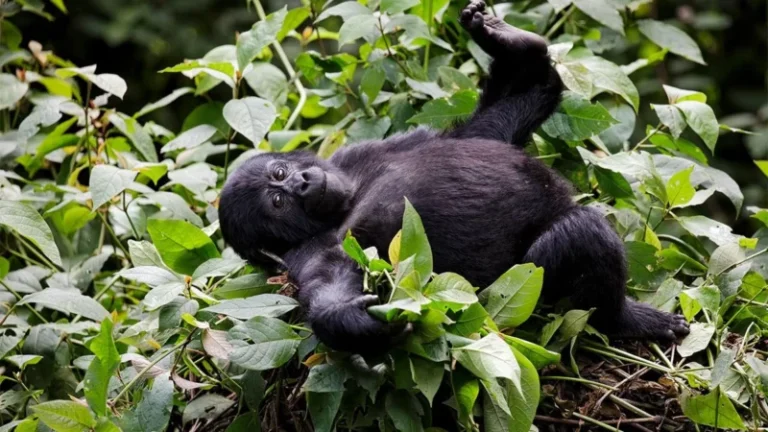
Start in Kigali and cross into Uganda to trek mountain gorillas in Bwindi Impenetrable Forest on this 4-day gorilla safari.
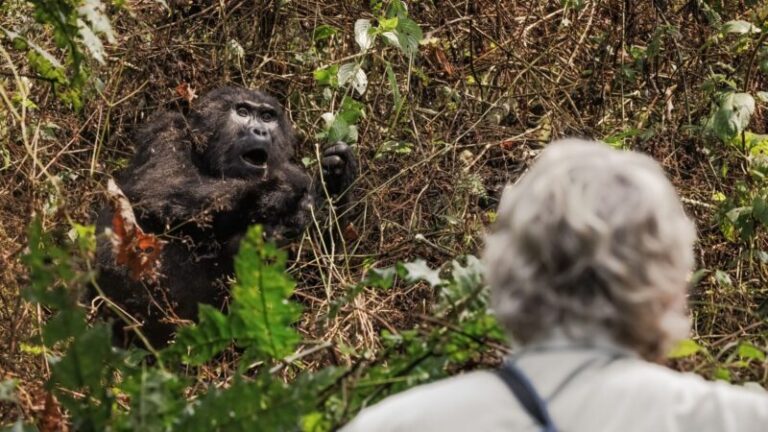
Chimpanzees and the canopy walk in Nyungwe, relaxing days on Lake Kivu and gorilla trekking in Volcanoes National Park on this 7-day Rwanda primates safari.
We use cookies to understand how visitors use our website so we can keep improving it. You can accept or decline analytics cookies. Read our Privacy & Cookie Policy.
Gorilla Trekking, Wildlife Tours & Cultural Experiences.