

Karatu Town and Village
Discover Karatu, the gateway town to Ngorongoro Crater: coffee farm tours, Iraqw culture, Lake Eyasi and the Hadzabe, and great-value lodges.
Park guide
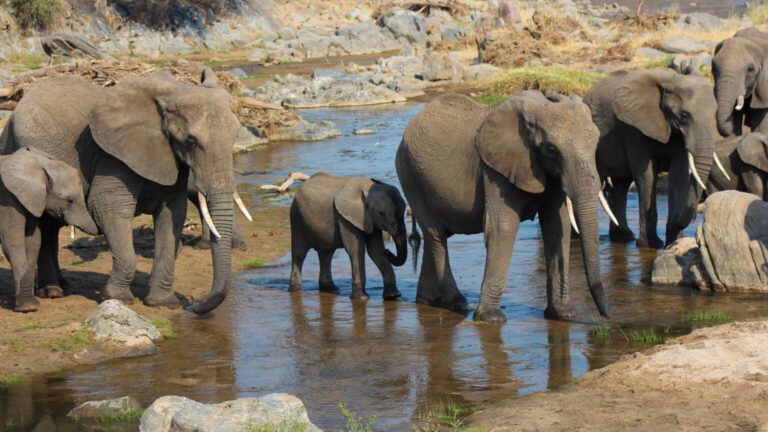
Tarangire National Park is often the first stop on a northern Tanzania safari, and it makes a big impression. Giant baobab trees, some hundreds of years old, dot the landscape, and in the dry season the Tarangire River attracts some of the largest elephant herds in East Africa.
The park is about two hours from Arusha, so it is easy to reach on the first day of your safari.
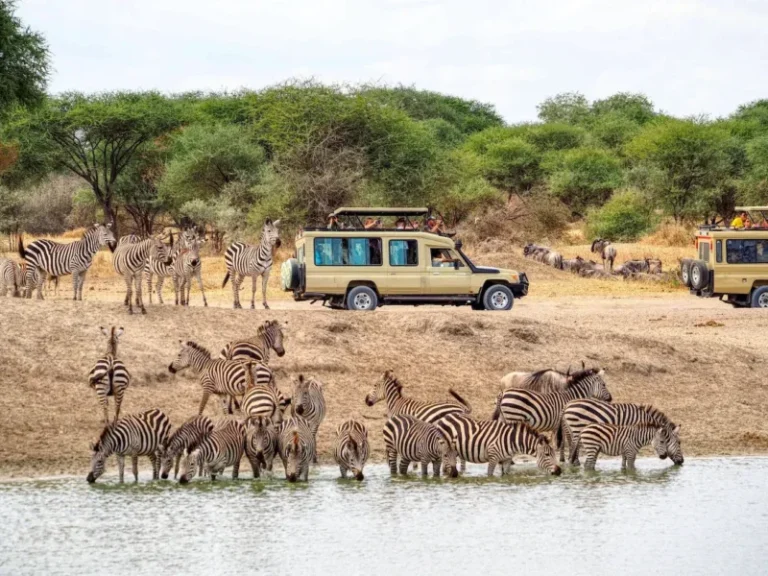
From June to October, wildlife pours in from the surrounding plains to drink at the river. Besides elephants, look for lions, leopards, buffalo, giraffes, zebras, wildebeest and the rare fringe-eared oryx. With more than 500 bird species, Tarangire is also superb for birders.
The dry season from June to October is best for big herds. In the wet season, many animals disperse, but the park is green and quiet.
Tarangire lies south-west of Arusha, close to the main road towards Ngorongoro and the Serengeti. The drive from Arusha takes around two hours on tarmac, passing Maasai villages and wide farmland on the way. From Kilimanjaro International Airport, allow about an hour more.
Most guests drive in on the morning of their first safari day. Alternatively, light aircraft can land at the park’s airstrip, which suits travellers flying between parks. Either way, you can be on a game drive before lunch.
The park follows the Tarangire River, which flows north through the park and keeps water available long after the rains stop. Around it, the land rises into rolling hills of acacia woodland, giant baobabs and tall termite mounds. In the south, seasonal swamps such as Silale turn green after the rains.
Elephants are the stars here. In the dry season, family groups gather along the river to drink, dig for water and dust-bathe in the afternoon. Meanwhile, lions follow the herds of zebra and wildebeest that arrive from the surrounding plains. Leopards and cheetahs are present too, although they are harder to find.
Tarangire also has species that are uncommon elsewhere on the northern circuit. Look out for fringe-eared oryx, lesser kudu and, with luck, the long-necked gerenuk.
Birders will enjoy the yellow-collared lovebird and the ashy starling, both found mainly in Tanzania. Kori bustards and ostriches stride across the open areas, while raptors circle overhead. The swamps attract many waterbirds after the rains.
Game drives are the main activity inside the park. A full day lets you follow the river north to south, stopping at viewpoints over the valley. Our 4×4 Land Cruisers have pop-up roofs, so you can photograph elephants at close range from a stable position.
Walking safaris and night drives usually take place in the community wildlife areas that border the park, where the rules allow them. On foot, an armed ranger and guide show you tracks, plants and smaller creatures. After dark, a spotlight may reveal genets, bushbabies or a hunting lion.
Day 1: Leave Arusha after breakfast and reach the gate by mid-morning. Spend the day on game drives along the river, with a picnic lunch at a viewpoint. In the evening, stay inside or just outside the park.
Day 2: Head out at first light, when predators are most active. Afterwards, drive on to Lake Manyara or up to the Ngorongoro highlands. With only one day, most guests visit Tarangire as a full day trip, then continue towards Karatu in the late afternoon.
Tarangire has its own small migration. During the rains, from roughly November to May, many zebra and wildebeest spread out onto the plains beyond the park. As the land dries, they return to the river, which explains why the dry season is so rewarding.
Even so, the green season has its own appeal. The baobabs come into leaf, migrant birds arrive and there are far fewer vehicles. In addition, the light after a storm can be wonderful for photography.
Tsetse flies occur in the wooded parts of the park. For this reason, wear light, neutral colours and avoid dark blue or black. Insect repellent helps, although it does not stop them completely.
Bring binoculars and a zoom lens, since birds and predators are often some distance away. Keep a respectful distance from elephant families, especially young calves, and let your guide decide when to move on. Finally, carry a hat, sunscreen and plenty of water, because the middle of the day can be hot.
Tarangire fits naturally at the start of a northern circuit safari. From here, the road leads to Lake Manyara, the Ngorongoro Crater and the plains of the Serengeti. Many travellers then fly to Zanzibar to finish on the coast; see our beach getaways for ideas. You can also pair Tarangire National Park with a climb of Mount Kilimanjaro.
Tarangire features on our 5-day Tanzania Big Five safari and the 6-day Tanzania wildlife safari, before you continue to Ngorongoro and the Serengeti.
Explore our Tanzania safaris or ask us for a tailor-made itinerary.
Tarangire’s iconic baobab trees, often called “upside-down trees”, also create a striking landscape with its own charm. You can also spot lions, leopards, buffaloes, giraffes and a rich array of birds, such as the beautiful violet-backed starling. The park offers a range of activities that immerse you in its natural beauty. Guided game drives, for example, are the main way to explore Tarangire National Park. As a result, they give you the best chance to see its diverse fauna and stunning landscapes.
For a more intimate experience, you can join walking safaris. They let you observe the smaller details of the ecosystem, while knowledgeable guides explain what you see. Night safaris, meanwhile, are available in certain areas around the park. They offer a chance to see nocturnal species and experience the bush after dark.
In addition, lodges and camps in and around the park offer varied levels of comfort and luxury. As part of Tanzania National Parks, Tarangire contributes significantly to the country’s conservation efforts. At the same time, it offers a distinctive safari that complements Tanzania’s other protected areas.
Tarangire National Park cannot protect its wildlife alone. In the wet season, many animals leave the park to graze on community land. Therefore, the corridors that link Tarangire with Lake Manyara and the Maasai Steppe are vital. Community wildlife management areas, such as Burunge and Randilen, help keep these routes open. In addition, they let local villages earn income from tourism, so wildlife becomes an asset rather than a threat to crops and cattle.
Tarangire suits anyone who loves elephants, since the dry-season herds are among the best on the northern circuit. It also works well if you want a quieter park, because it usually sees fewer vehicles than the Serengeti or Ngorongoro. Moreover, the short drive from Arusha makes it an easy first stop after a long flight.
Families often start here, because the journey is short and the elephants are easy to enjoy. For example, children can watch herds at the river while you stop for a picnic. However, tsetse flies can bother younger travellers, so light clothing and repellent are worth packing.
The baobabs make Tarangire one of the most photogenic parks in Tanzania. Elephants beneath the huge trunks create classic images, especially in the warm light of late afternoon. Then, after the rains, green leaves and dramatic skies add even more colour.
On a seven-day trip, Tarangire usually takes the first day or two. After that, you continue to Lake Manyara or Karatu, then the Ngorongoro Crater and the Serengeti. With ten days, however, two nights in Tarangire work well. That way, you can explore the quieter south, including the Silale swamp, and add a walk or night drive outside the park. In the dry season especially, this extra time pays off with long, relaxed elephant sightings.
One full day covers the main river circuit. However, a night inside or near the park lets you enjoy the early morning, when predators are most active.
Yes, although wildlife is more spread out. In return, the park is green, quiet and full of birds.
You can see elephants, lions, leopards and buffalo. Rhinos, by contrast, are not part of a typical visit, so we look for them in the Ngorongoro Crater instead.
Every Traford safari comes in three styles: Signature (luxury), Classic (mid-range) and Adventurer (budget). These are the options we recommend most often; final choices depend on your dates and availability.
Keep exploring
Discover Karatu, the gateway town to Ngorongoro Crater: coffee farm tours, Iraqw culture, Lake Eyasi and the Hadzabe, and great-value lodges.
Visit Lake Manyara National Park in Tanzania: tree-climbing lions, flamingos, baboons, a treetop walkway and the Rift Valley escarpment.
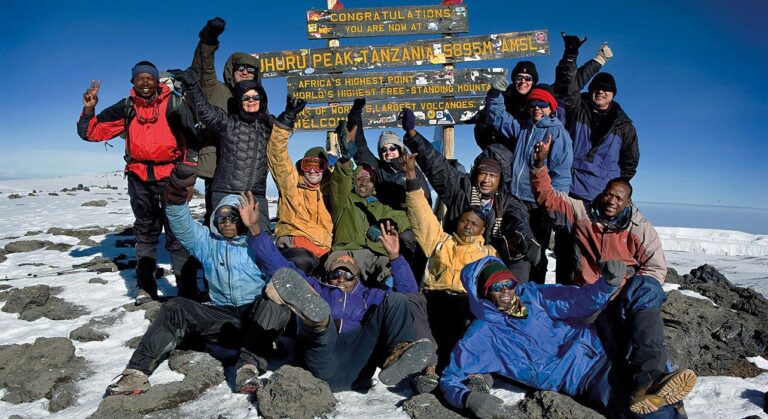
Plan a Mount Kilimanjaro climb in Tanzania: Machame, Lemosho, Marangu and Rongai routes, how many days, best time to go and day hikes.
Safari packages
Itineraries that can include this destination. Every trip can be adjusted to your dates and budget.
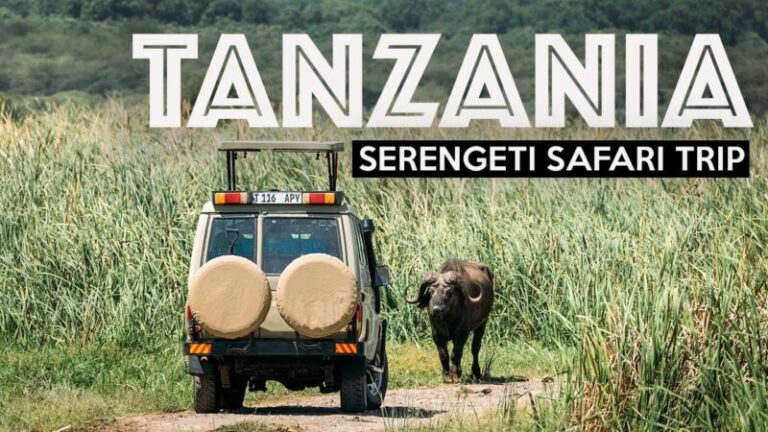
Nine days through Tarangire, Lake Manyara, the Serengeti and Ngorongoro Crater, with time to follow the wildlife at an unhurried pace.
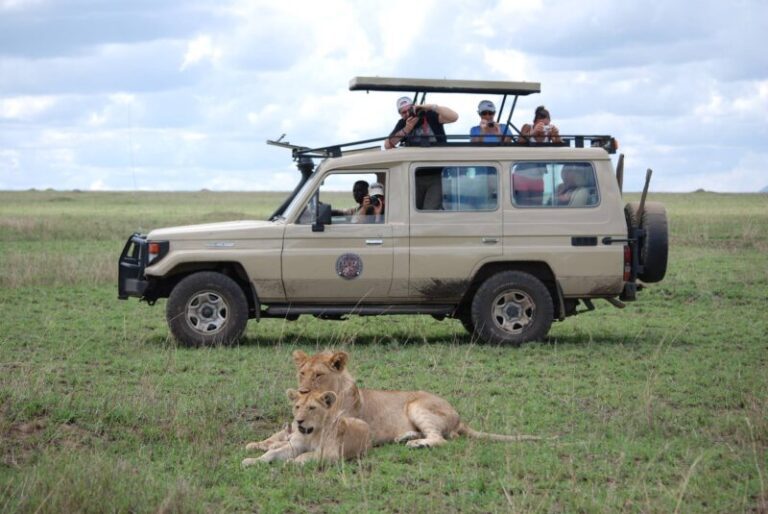
An unhurried 12-day northern Tanzania safari with extended time in the Serengeti and Ngorongoro Crater for the best wildlife viewing.
Eight days on Tanzania’s northern circuit: Tarangire, Lake Manyara, two or more days in the Serengeti and a descent into Ngorongoro Crater.
We use cookies to understand how visitors use our website so we can keep improving it. You can accept or decline analytics cookies. Read our Privacy & Cookie Policy.
Gorilla Trekking, Wildlife Tours & Cultural Experiences.