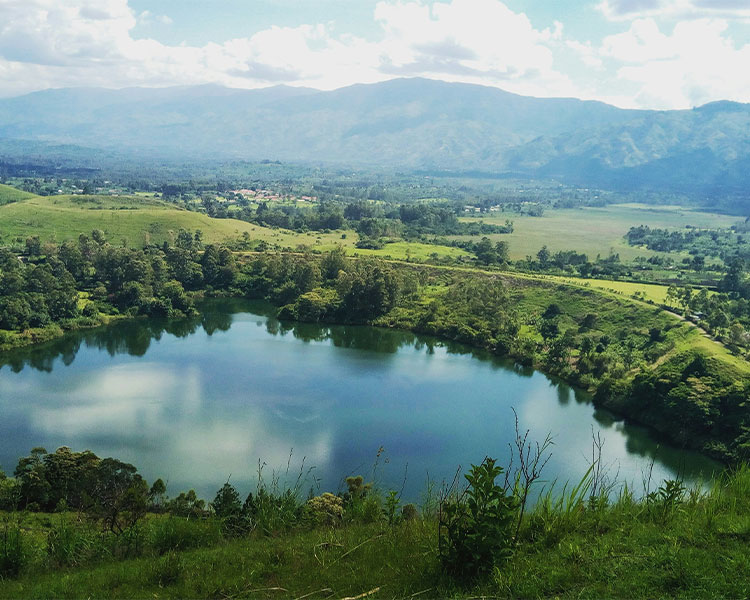
Uganda at a Glance
Uganda sits on the equator in East Africa, bordered by Kenya, Tanzania, Rwanda, the Democratic Republic of Congo and South Sudan. Lake Victoria forms much of its southern edge, and the Rwenzori Mountains, the “Mountains of the Moon”, rise to 5,109 metres on the western border.
Most of the country lies on a high plateau, so the climate is milder than many visitors expect. Daytime temperatures in the savannah parks usually sit in the mid to high twenties Celsius. The forested south-west, where the gorillas live, is cooler, and nights in Bwindi and Mgahinga can be chilly.
International flights land at Entebbe International Airport, about 40 kilometres from Kampala. Most safaris start and finish here.
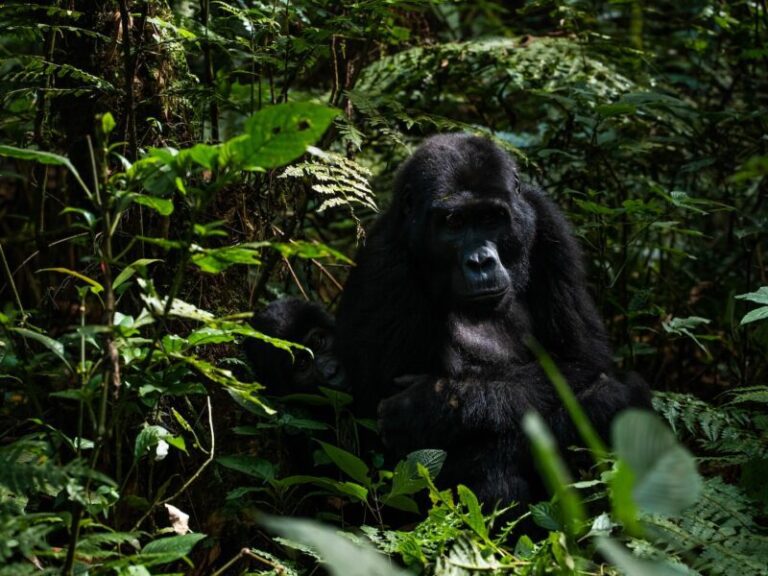
Mountain Gorillas in Bwindi and Mgahinga
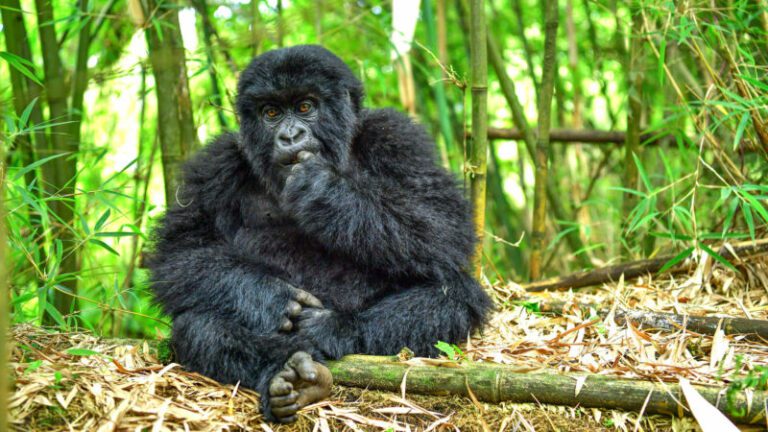
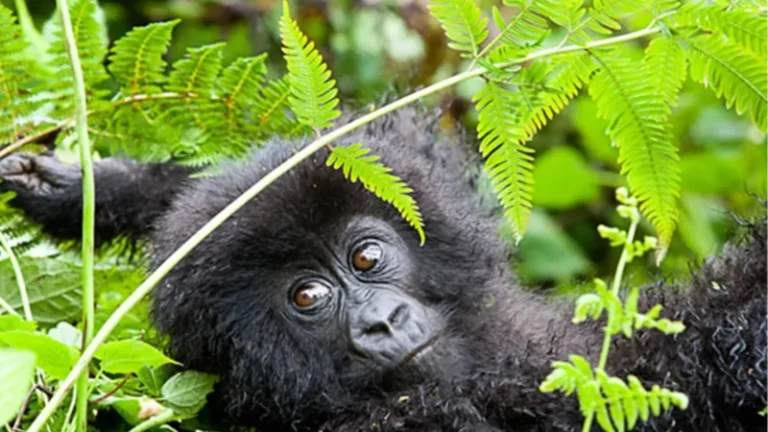
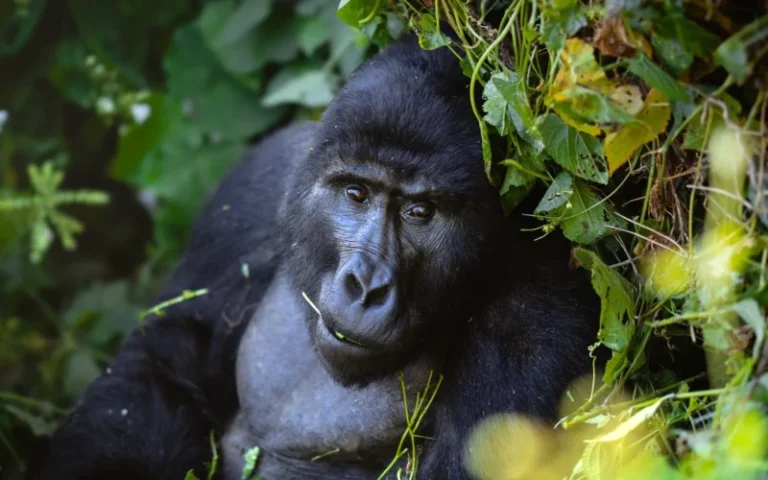
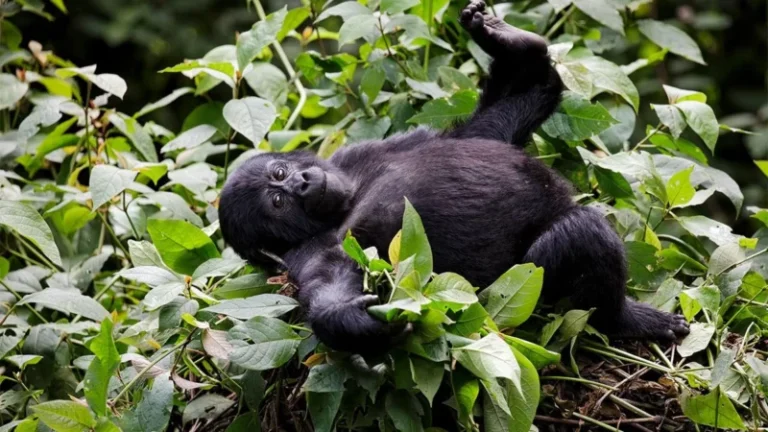
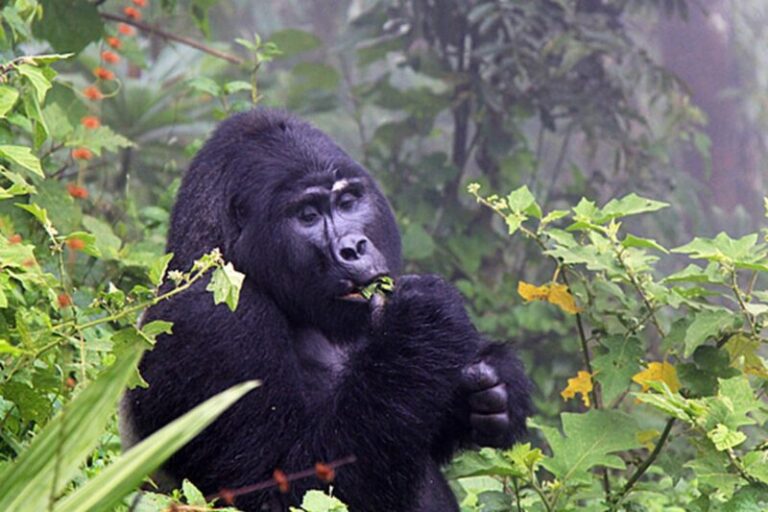
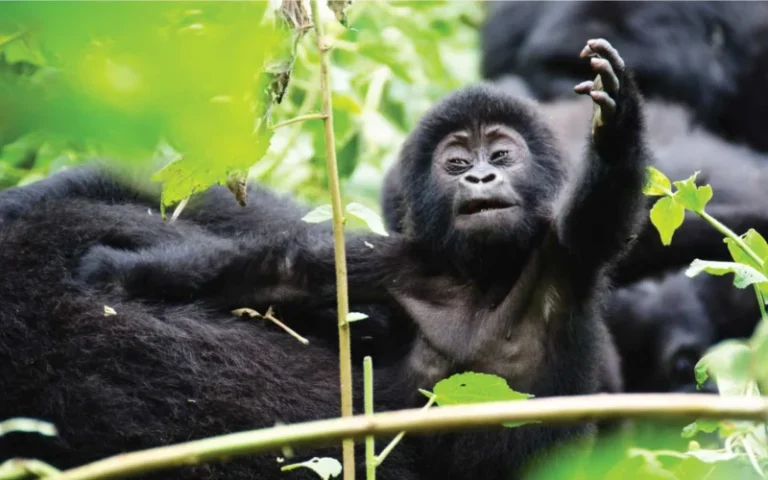
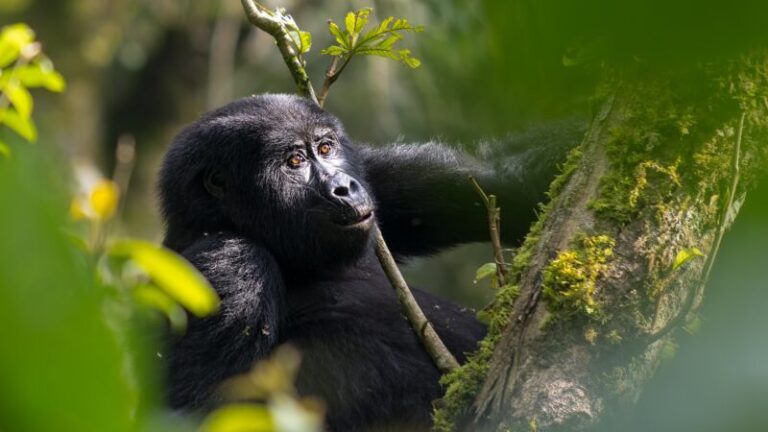
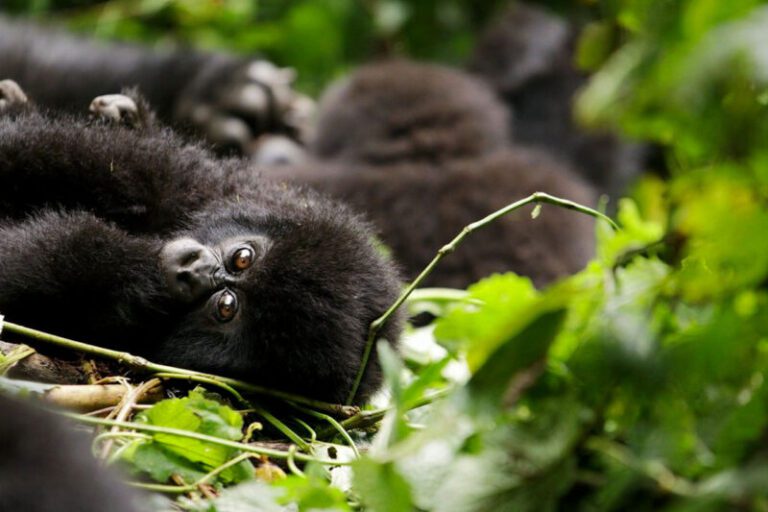
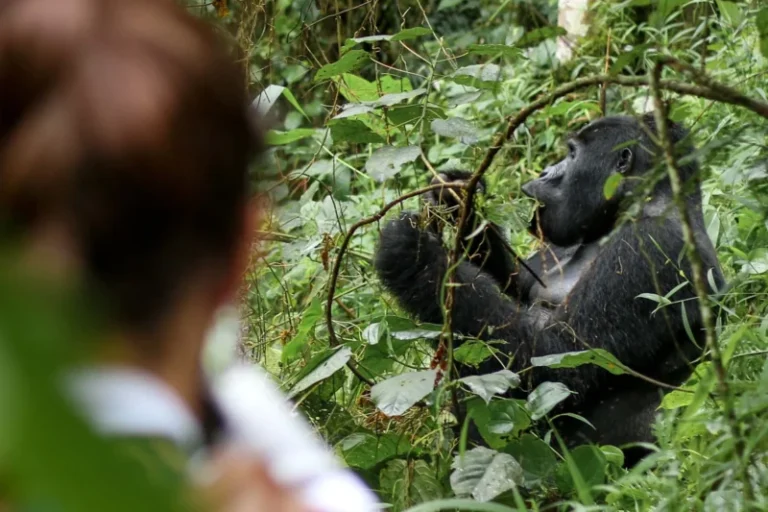
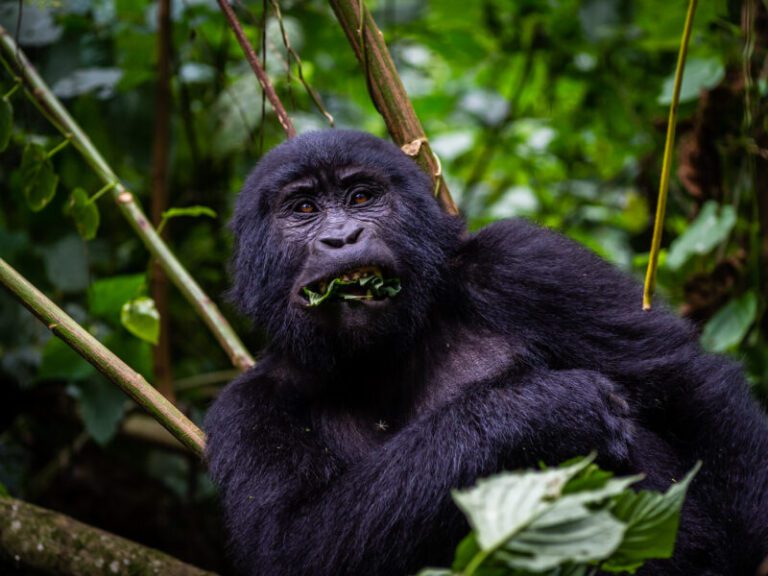
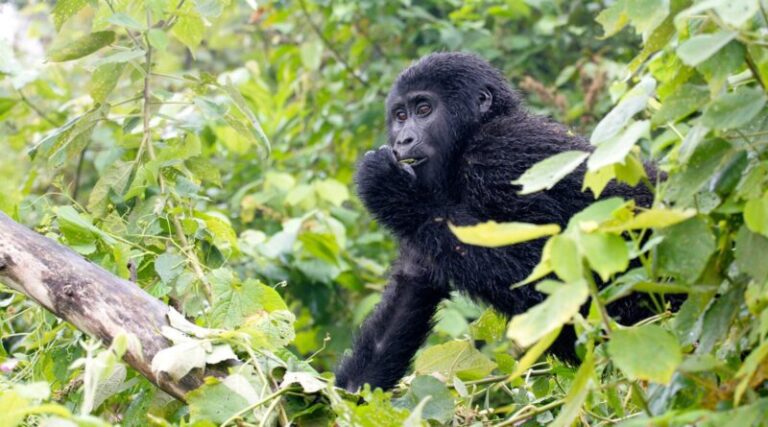
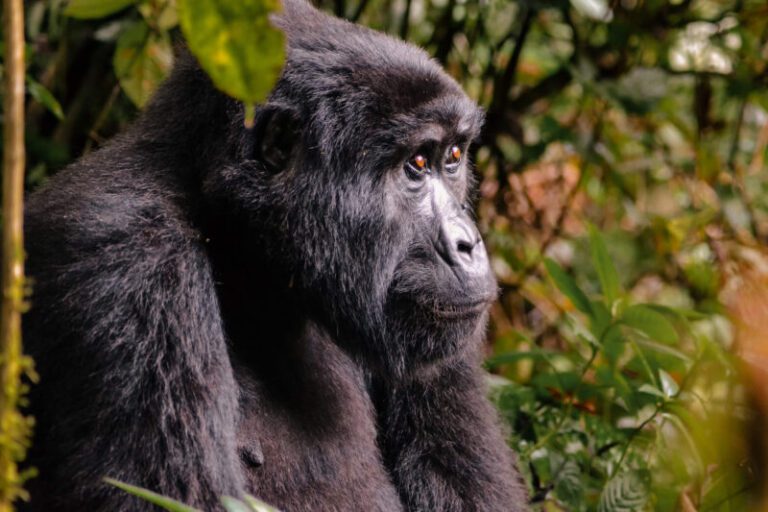
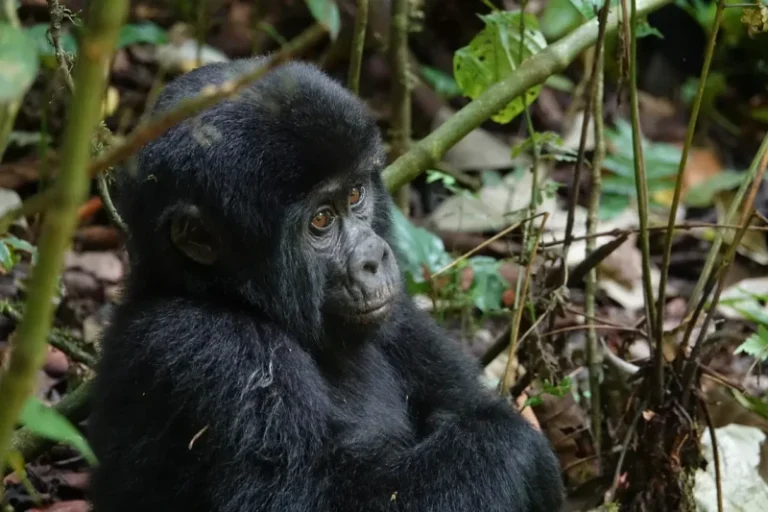
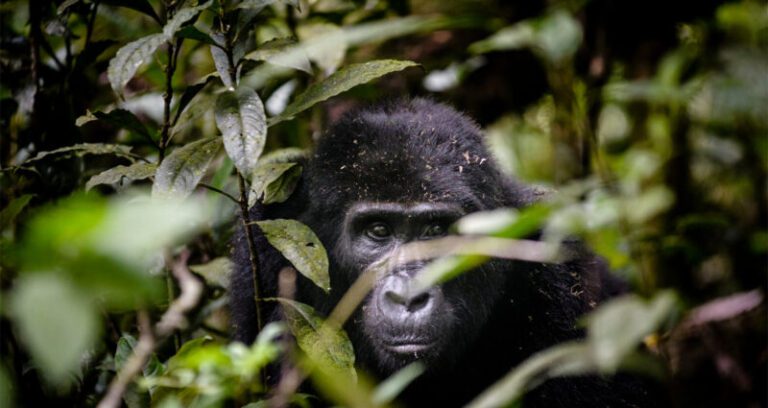
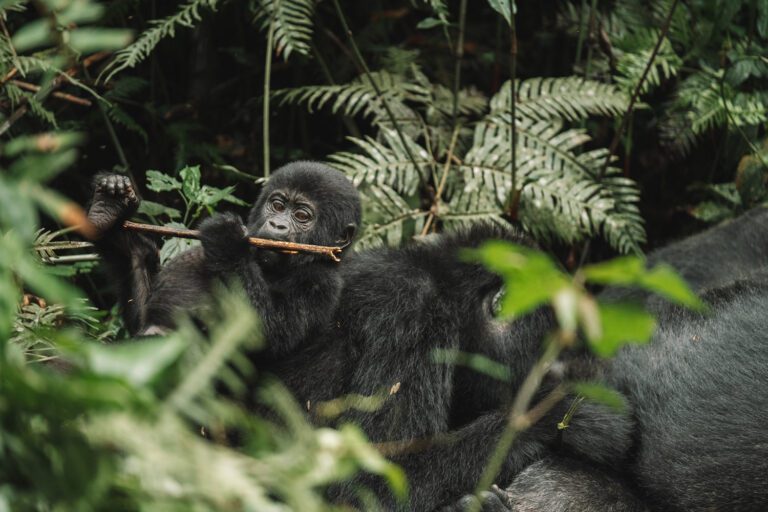
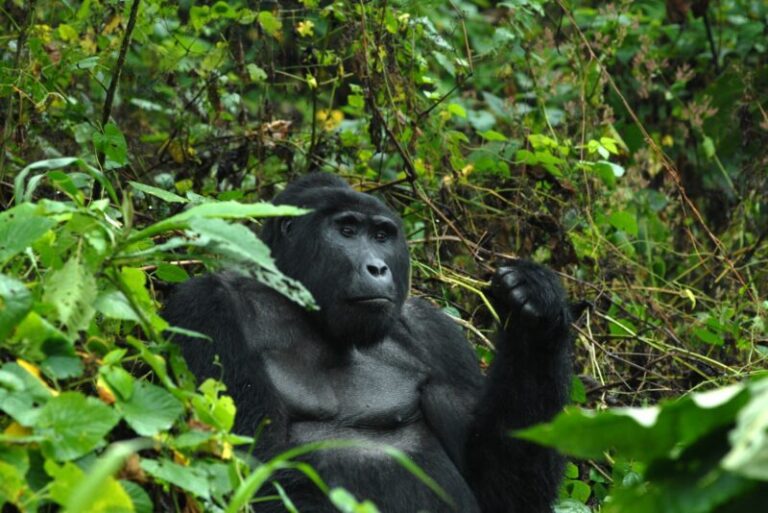
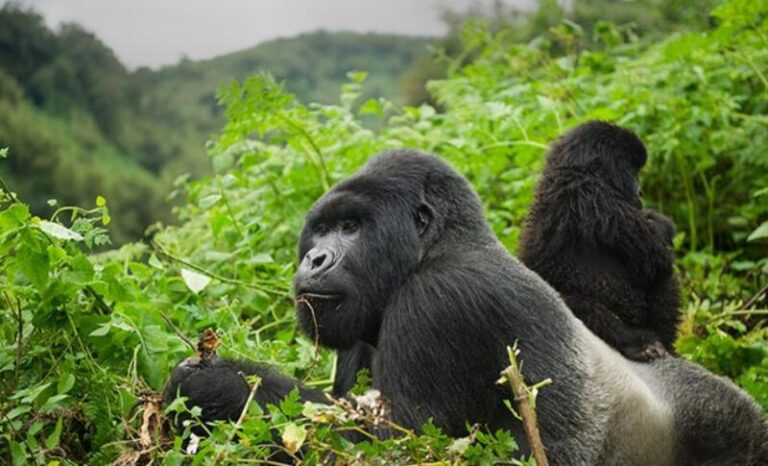
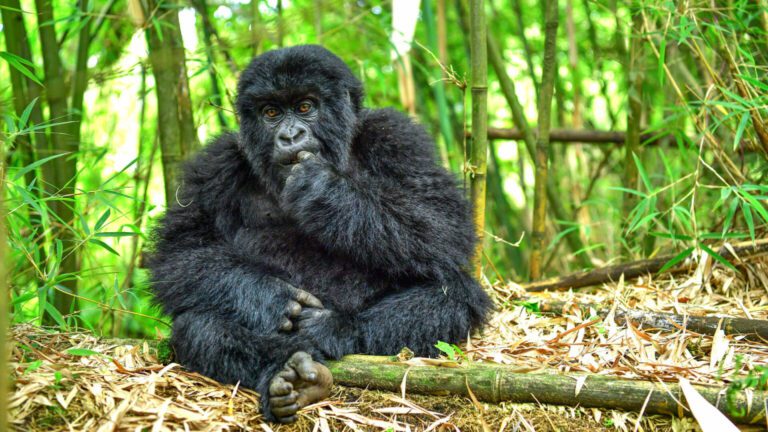
Gorilla trekking is the reason many travellers choose Uganda. You can trek in two parks:
- Bwindi Impenetrable National Park is home to the largest number of habituated gorilla families. Trekking starts from four sectors: Buhoma, Ruhija, Rushaga and Nkuringo. We match your sector to your lodge and the rest of your route.
- Mgahinga Gorilla National Park lies on the slopes of the Virunga volcanoes. It has fewer gorilla permits, and it is also the place to track golden monkeys.
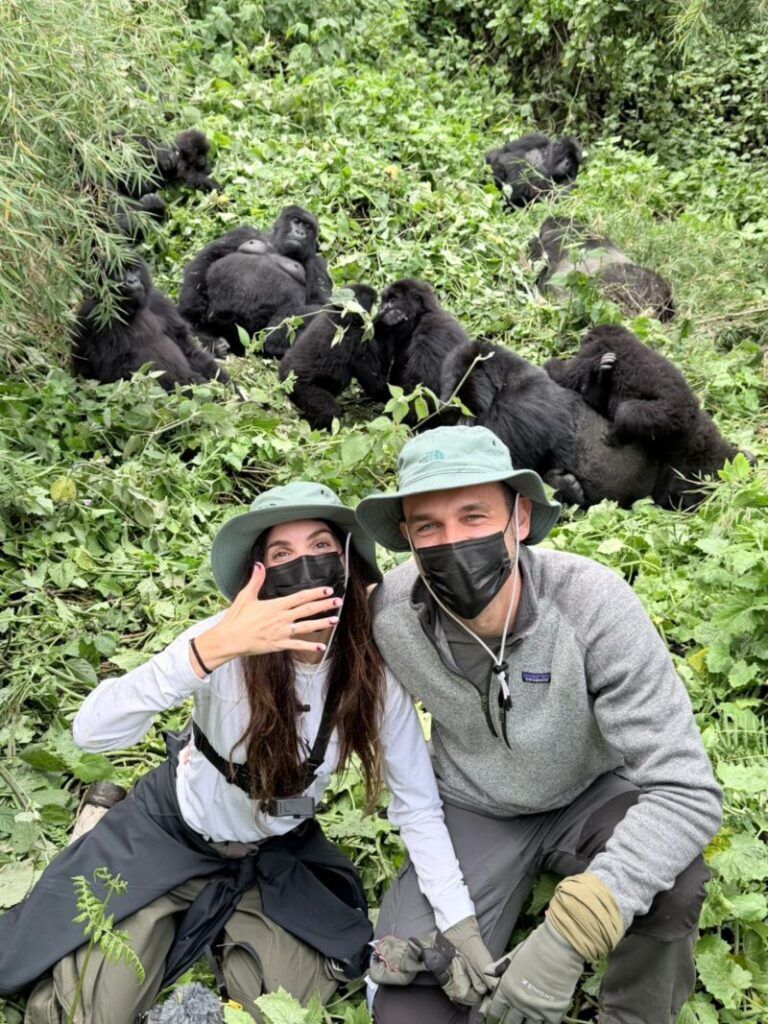
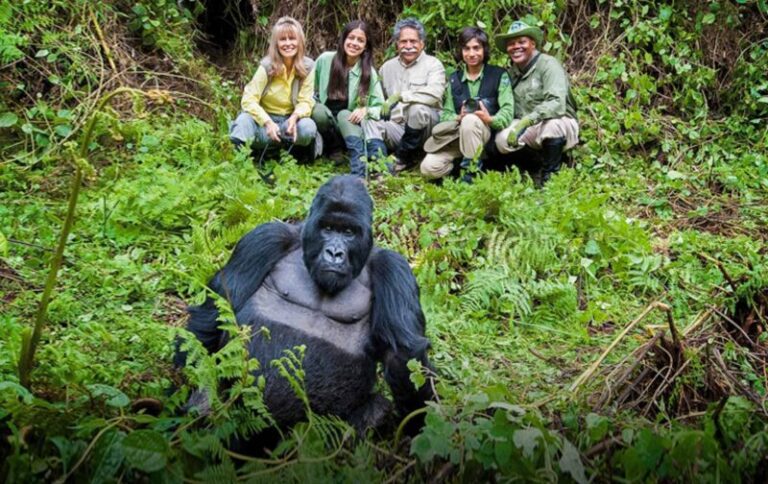
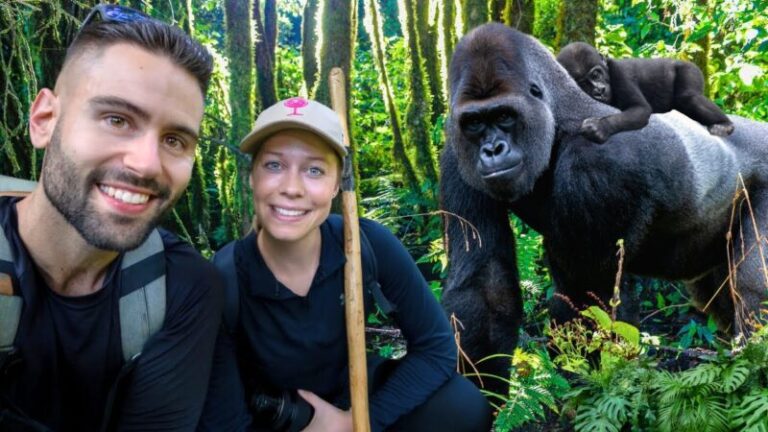
A trek begins with a briefing from Uganda Wildlife Authority rangers. You then hike with a small group, usually eight people at most, until you reach your assigned gorilla family. The hike can take from under an hour to most of the day, depending on where the gorillas have moved. Once you find them, you spend one hour watching and photographing them.
You need a gorilla permit for each trek, and trekkers must be at least 15 years old. At the time of writing, the standard permit for foreign non-residents is US$800, but the Uganda Wildlife Authority sets and revises the fees, so we confirm the current rate when we book. Permits sell out in busy months, so it helps to plan several months ahead. Read our gorilla trekking guide for preparation tips.
Chimpanzees and Other Primates
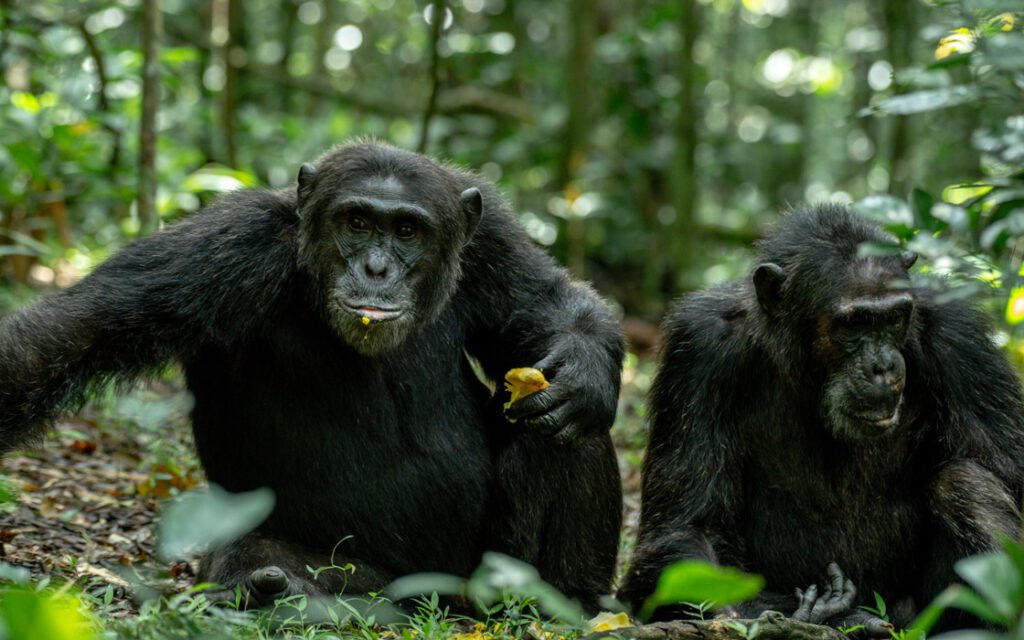
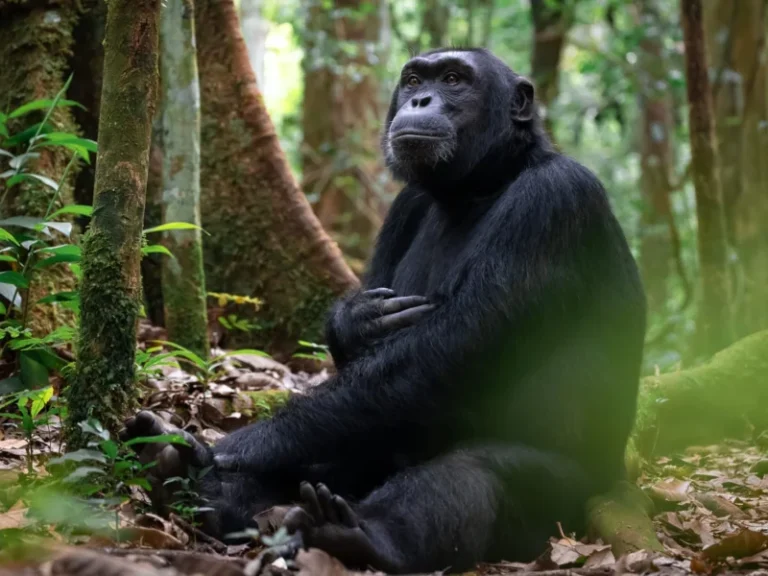
Kibale Forest National Park is Uganda’s main chimpanzee destination. Its tropical forest supports 13 primate species, including red colobus and L’Hoest’s monkeys. A standard chimpanzee tracking walk takes two to four hours, and you spend an hour with the chimps once the guides find them. For a longer, more immersive day, ask about the chimpanzee habituation experience.
You can also see chimpanzees in Budongo Forest near Murchison Falls and in Kyambura Gorge in Queen Elizabeth National Park. Both are good add-ons if your route passes nearby. See our chimpanzee tracking page to compare the options.
Classic Game Viewing in Uganda’s Savannah Parks
Uganda’s savannah parks are less crowded than the famous reserves further east, which many guests enjoy.
Queen Elizabeth National Park
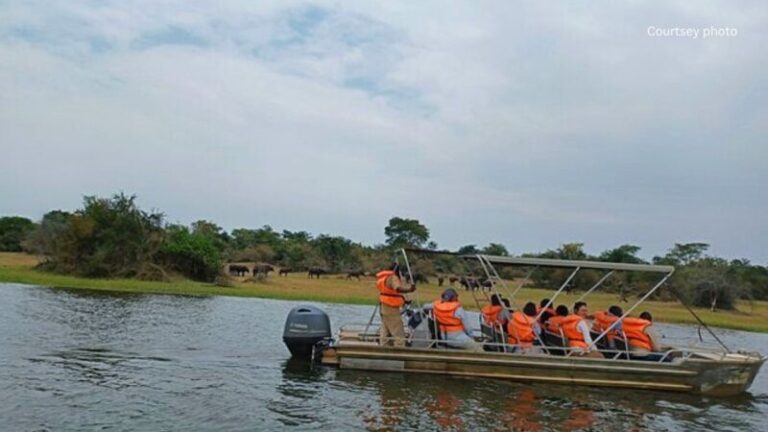
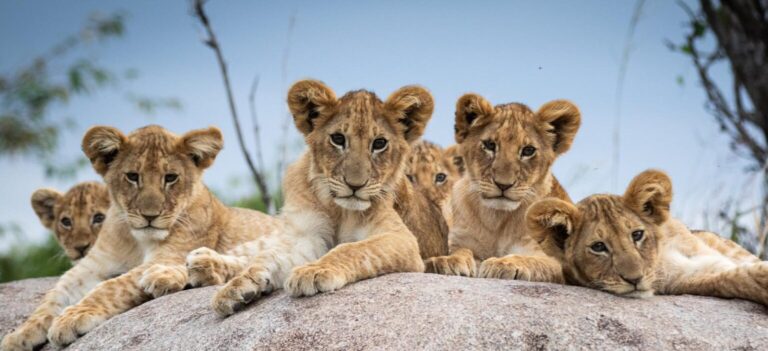
Queen Elizabeth combines open plains, crater lakes and the Kazinga Channel. A boat cruise on the channel brings you close to hippos, buffalo, elephants and water birds. In the southern Ishasha sector, lions are known for resting in fig trees.
Murchison Falls National Park
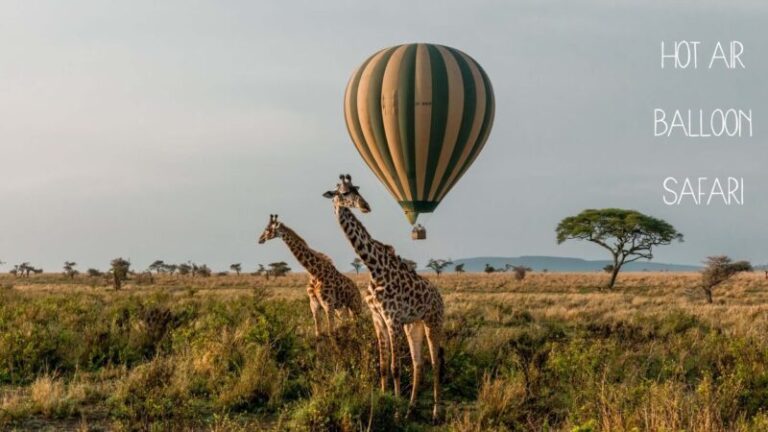
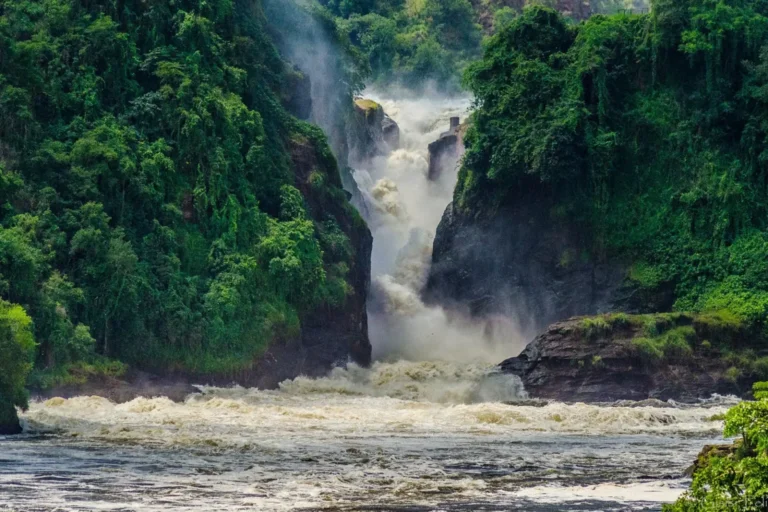
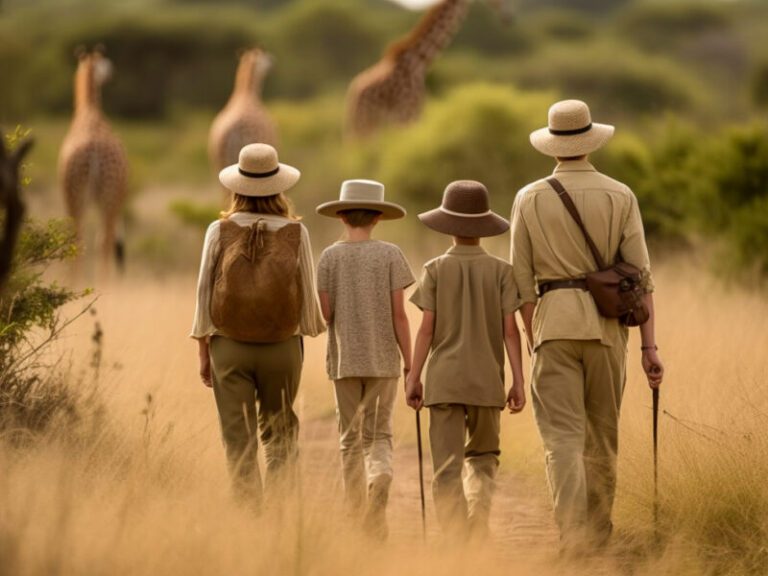
Murchison Falls is Uganda’s largest national park. Game drives north of the Nile show giraffe, elephant, buffalo, lion and many antelope species. A boat trip upstream ends near the base of the falls, and you can hike to the top. On the way from Kampala, many guests stop at Ziwa Rhino Sanctuary to track white rhinos on foot.
Kidepo Valley National Park
Kidepo Valley lies in the far north-east, close to the borders with South Sudan and Kenya. It is remote and wild, with big herds of buffalo and species that are rare elsewhere in Uganda, such as cheetah and ostrich. Most guests fly in on a scheduled or charter flight.
Lake Mburo National Park
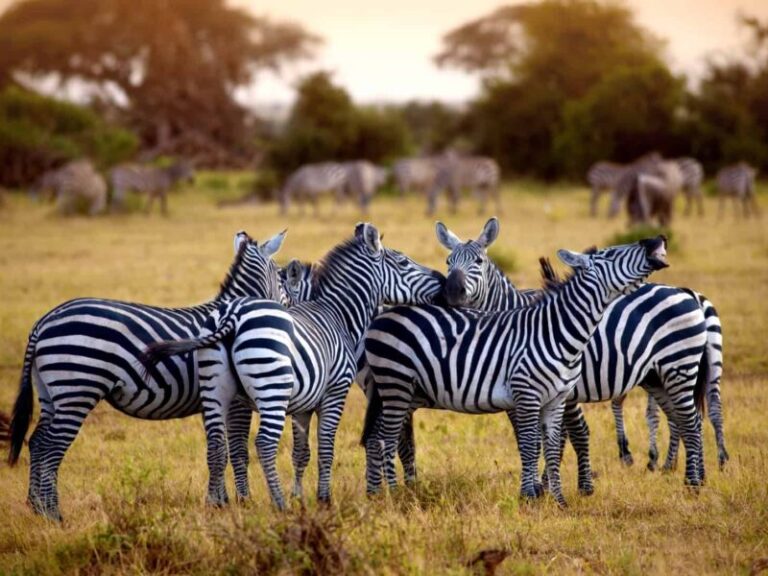
Lake Mburo is the closest savannah park to Kampala. It is good for zebra, impala and eland, and it offers walking safaris. It makes a useful overnight stop on the way to Bwindi.
Birding in the Pearl of Africa
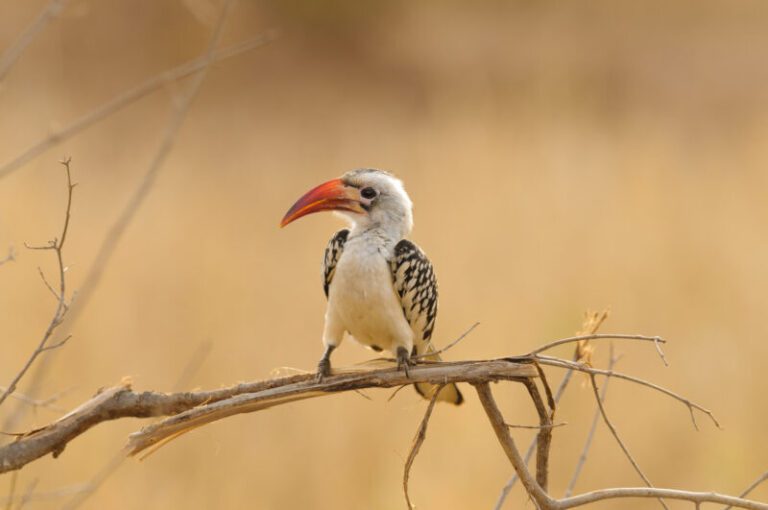
With more than 1,000 recorded species, Uganda is a top birding destination. The shoebill is the bird most visitors hope to see, and Mabamba Swamp near Entebbe is one of the most reliable places to find it. Bwindi holds many Albertine Rift endemics, while Queen Elizabeth and Murchison Falls add savannah and water birds. Our bird watching safaris can be built around a target list.
Adventure and Culture
Uganda is not only about wildlife. In Jinja, near the source of the Nile, you can raft Grade 5 rapids or try kayaking and boat trips. Hikers can climb in the Rwenzori Mountains or on Mount Elgon. Lake Bunyonyi, near Bwindi, is a calm place to rest after trekking.
Community visits add context to a safari. You can meet Batwa communities near Bwindi and Mgahinga, visit local farms or spend time in a village near the parks. Our cultural safaris focus on visits that benefit the communities you meet.
Best Time to Visit Uganda
You can visit Uganda all year. The country has two drier periods and two wetter ones:
- June to September and December to February are the main dry seasons. Trails are easier and game viewing is good, so these months are busiest and permits sell out first.
- March to May and October to November bring more rain. Forest trails become muddy, but landscapes are green, lodges are quieter and some lodges offer lower rates.
Because Bwindi and Kibale are rainforests, rain can fall in any month. Pack a light rain jacket whatever time of year you travel.
How Long Should a Uganda Safari Be?
- 3 to 4 days: a focused gorilla trip, flying or driving to Bwindi and trekking once. See our 4-day gorilla trekking safari.
- 6 to 8 days: gorillas, chimpanzees and Queen Elizabeth National Park. Our 7-day Uganda primates safari follows this route.
- 10 days or more: add Murchison Falls, Ziwa Rhino Sanctuary or Kidepo for a full circuit of the country.
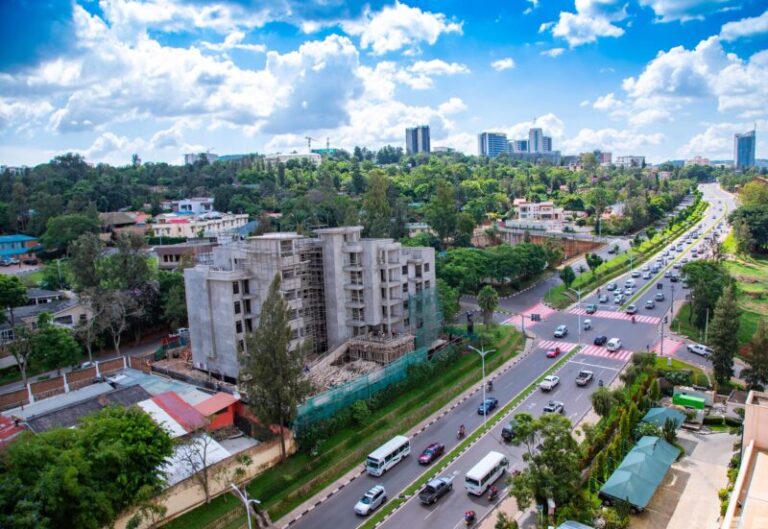
Uganda also combines well with Rwanda. See our Rwanda safaris if you want to trek gorillas in both countries.
Getting Around and Where You Will Stay
Most of our guests travel by road in a private 4×4 safari vehicle with a professional driver-guide. Roads are improving, but distances are long: the drive from Kampala to Bwindi usually takes a full day. If your time is short, domestic flights from Entebbe connect with airstrips near Bwindi, Queen Elizabeth, Murchison Falls and Kidepo. Experienced drivers can also use our car hire and self-drive service.
Accommodation ranges from comfortable budget lodges to luxury forest lodges and tented camps. We plan every trip in three styles, signature, classic and adventurer, so you can choose the level of comfort that suits your budget.
Practical Information Before You Travel
- Visas: most visitors apply for a Uganda e-visa online before travel. If you are also visiting Kenya and Rwanda, the East Africa Tourist Visa covers all three countries.
- Health: Uganda requires proof of yellow fever vaccination on entry. Speak to a travel clinic about malaria prevention and other vaccinations.
- Permits: gorilla and chimpanzee permits are issued by the Uganda Wildlife Authority. We book them for you once you confirm your dates.
- Money: the local currency is the Ugandan shilling. US dollars are widely accepted for park fees and tips; bring clean, recent notes, as older or damaged notes are often refused.
Entry rules and fees change from time to time, so check the latest official guidance before you travel. We send you an up-to-date checklist when you book.