

Kigali City Rwanda
Kigali city: things to do in Kigali, Rwanda: Genocide Memorial, Kimironko market, Nyamirambo, art and coffee.
Park guide
Akagera National Park shows a side of Rwanda many visitors never expect: open savannah, papyrus swamps and a chain of lakes along the Tanzanian border. Since African Parks took over management with the Rwanda Development Board in 2010, lions and black rhinos have returned. As a result, Akagera is now Rwanda’s only Big Five park.
The park lies about two and a half hours east of Kigali. That makes it the perfect partner to gorilla trekking, adding classic game drives to a primate-focused trip.
Drives in the northern plains reveal giraffes, zebras, elephants, buffalo, topi and, with luck, lions, leopards and rhinos. Self-drive is allowed, but a guide greatly improves your sightings.
A boat trip on Lake Ihema brings you close to hippos, crocodiles and abundant birdlife, including the elusive shoebill in some areas.
Night drives reveal nocturnal animals such as genets and hyenas, while conservation tours show how the park was restored.
June to September is best for game viewing, as animals gather near water. Even so, the park is rewarding all year, and the wet months are excellent for birds.
Akagera National Park lies in eastern Rwanda along the border with Tanzania. It is very different from Rwanda’s mountain forests: rolling hills and open grassland in the north give way to woodland, papyrus swamps and a chain of lakes fed by the Akagera River in the south. Lake Ihema is the largest.
After years of decline, the park has been restored by the Rwanda Development Board and African Parks. Lions returned in 2015 and black rhinos in 2017, and white rhinos were introduced in 2021. Today you can see elephants, buffalo, giraffe, zebra, hippos, crocodiles and many antelope, including topi, eland, impala and the tiny oribi. Akagera also has an impressive bird list, and the papyrus swamps are home to the shoebill, although it is rarely seen.
The park’s southern gate is about two and a half hours by road from Kigali. You can visit on a full day trip, but staying one or two nights lets you join early-morning game drives, a sunset boat trip and a night drive. Akagera is one of the few parks in the region where experienced visitors can self-drive with a park guide.
Akagera features in our 2-day Akagera wildlife safari and our 10-day classic Rwanda safari.
Most safaris enter through the southern gate near Lake Ihema and leave through the northern gate. Driving the full length of the park in this way shows how quickly the scenery changes. It also avoids retracing your route, which saves time on a short visit.
The south is a land of lakes, papyrus and acacia woodland. Here, you are likely to see hippos, buffalo, waterbuck and bushbuck near the shore. Elephants often come down to drink in the afternoon, while baboons and vervet monkeys forage along the tracks.
Further north, the hills open into wide grassland. This is the best area for giraffe, zebra, topi and large herds of buffalo. In addition, the open country gives the best chance of lions, so guides often spend the early morning here. Rhinos are also present, although sightings depend on luck and patience.
A boat trip on Lake Ihema is one of the most relaxing ways to see the park. The boat follows the shoreline past pods of hippos and large Nile crocodiles basking on the banks. Meanwhile, African fish eagles call from the treetops and cormorants nest in the flooded trees. Morning trips are calm and cool, whereas the late afternoon brings warm light for photography.
Night drives begin around sunset with a park guide and a spotlight. After dark, the park feels completely different. You may find hyenas, genets, bushbabies and nightjars, and leopards are seen from time to time. Book ahead, since night drives run with limited spaces.
Day 1: Kigali to Akagera. Leave Kigali early and enter the park through the southern gate by mid-morning. After a game drive around the lakes, check into your lodge for lunch. Later, join an afternoon boat trip on Lake Ihema, then return for dinner or set out on a night drive.
Day 2: The northern plains. Start at first light, when animals are most active. Drive north across the grassland, looking for giraffe, zebra and lions. Finally, exit through the northern gate and return to Kigali by late afternoon, or continue towards the volcanoes for gorilla trekking.
A third night allows a slower pace and more time in the north. It is also worth considering for keen birders, as the swamps reward early starts.
Akagera is lower and warmer than the rest of Rwanda, so days can be hot. During the long dry season from June to September, the grass is short and animals stay close to the lakes. This makes it the most reliable time for big game. The shorter dry spell from December to February is also good.
The rains usually fall from March to May and again from October to November. During these months, the park turns green and some tracks become muddy. On the other hand, migrant birds arrive and the scenery is at its best. With more than 450 bird species recorded, including the papyrus gonolek and the red-faced barbet, Akagera National Park is a strong choice for bird watching safaris.
Wear light, neutral colours. Tsetse flies occur in parts of the park, and they are drawn to dark blue and black clothing. Insect repellent, a hat and sunscreen are also essential.
For photography, bring a zoom lens and binoculars, because animals in the north can be some distance away. Our 4×4 Land Cruisers have pop-up roofs, which give you a steady, raised platform for photos. Above all, stay in the vehicle unless your guide says otherwise, and keep noise to a minimum near animals.
Finally, please avoid sharing the exact location of rhinos online. Protecting these animals remains a priority for the park. When you are ready to plan, send us your travel dates and we will design a route that fits.
Try our 2-day Akagera wildlife safari from Kigali, or combine it with gorillas in Volcanoes National Park on the 10-day classic Rwanda safari.
Yes, but leave very early. One night lets you enjoy sunset and sunrise drives, when animals are most active.
Yes. Akagera is home to lion, leopard, elephant, buffalo and rhino. Leopards and rhinos are the hardest to find, so sightings are never guaranteed.
The dry seasons, June to September and December to February, are best because wildlife gathers near the lakes and vegetation is thinner. The park is open all year.
Yes. Experienced drivers can explore in their own vehicle, and you can hire a park guide to join you. We can also arrange a private vehicle with one of our driver-guides.
Visitors can embark on thrilling game drives across its expansive grasslands and wetlands, where they may encounter large herds of elephants, giraffes, zebras, and numerous antelope species. Akagera’s lakes, such as Lake Rwanyakazinga and Lake Ihema, are particularly notable for their birdlife and provide excellent opportunities for boat safaris, offering unique perspectives of the park’s aquatic wildlife, including hippos and crocodiles.
In addition to traditional game drives and boat safaris, Akagera National Park offers a range of other activities designed to immerse visitors in its natural beauty. The park’s varied terrain provides excellent opportunities for walking safaris, where trained guides lead visitors on foot to observe wildlife and learn about the park’s ecology from a closer vantage point. For those interested in more intensive exploration, the park also offers camping options, allowing visitors to experience the African wilderness under the stars.
Akagera’s conservation efforts, which focus on habitat restoration and community involvement, underscore its role as a model for sustainable wildlife management. By participating in these activities, visitors contribute to the ongoing success of conservation initiatives while enjoying a richly rewarding safari experience.
Traford Safaris holds a 5.0-star rating on Google. Here is what recent travellers wrote:
“From the airport pickup to the accommodation and activities, everything was well organised. Our guide, Mbabazi was excellent.”
Hosea Thomas Perez, 10-day Rwanda safari · Google review ★★★★★
Every Traford safari comes in three styles: Signature (luxury), Classic (mid-range) and Adventurer (budget). These are the lodges we recommend most often; final choices depend on your dates and availability.
Keep exploring
Kigali city: things to do in Kigali, Rwanda: Genocide Memorial, Kimironko market, Nyamirambo, art and coffee.
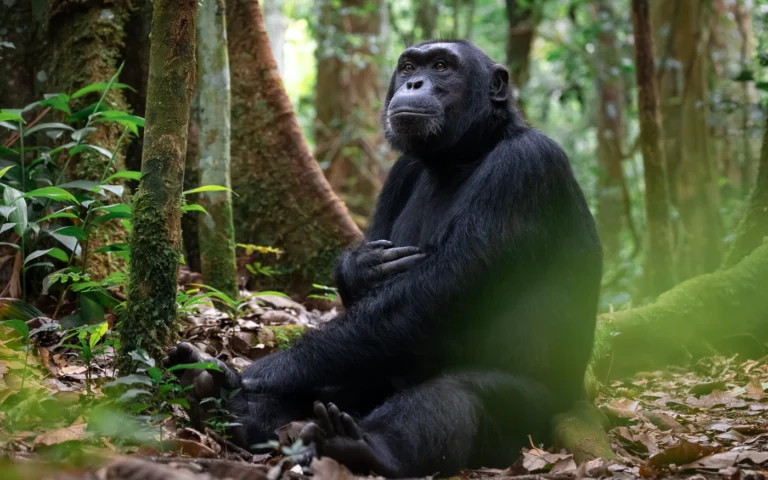
Explore Nyungwe Forest National Park in Rwanda: chimpanzee tracking, the canopy walkway, 13 primate species, waterfall hikes and lodges.
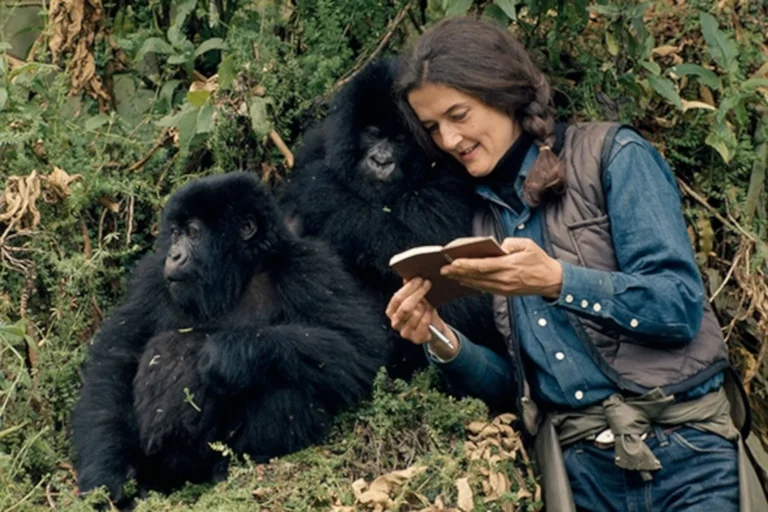
Plan gorilla trekking in Volcanoes National Park, Rwanda: $1,500 permits, golden monkeys, Dian Fossey hike, lodges and the best time to visit.
Safari packages
Itineraries that can include this destination. Every trip can be adjusted to your dates and budget.
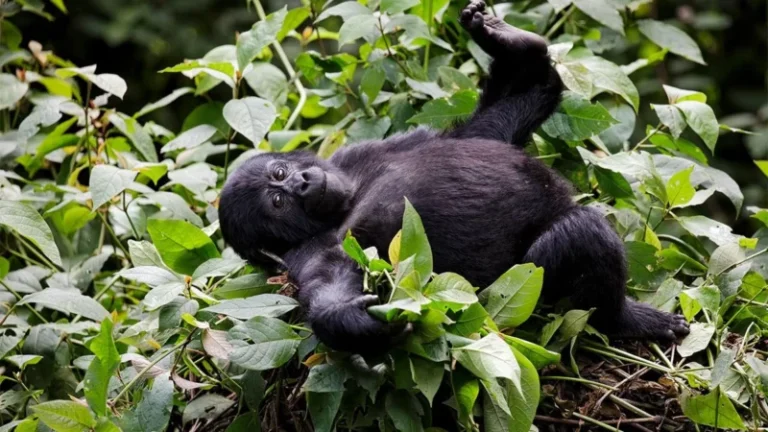
Start in Kigali and cross into Uganda to trek mountain gorillas in Bwindi Impenetrable Forest on this 4-day gorilla safari.
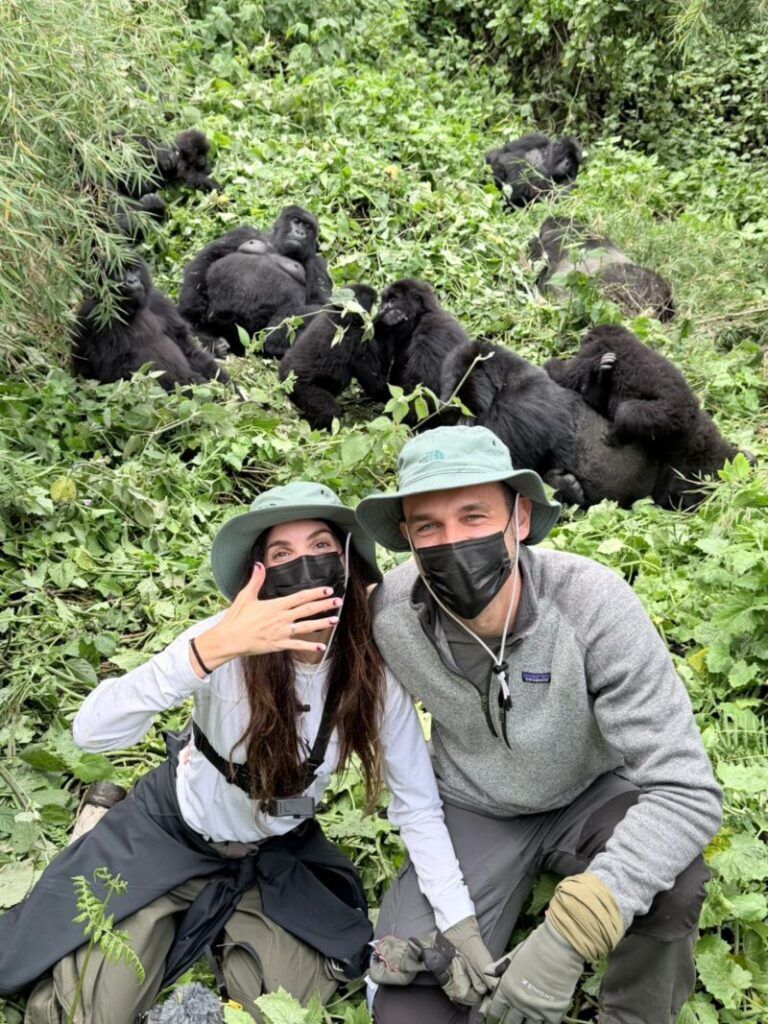
The Masai Mara, mountain gorillas in Bwindi and Lake Kivu in one journey: a 10-day East Africa safari across Kenya, Uganda and Rwanda.
Three countries in one week: Serengeti game drives in Tanzania, then gorillas and primates in Uganda and Rwanda.
We use cookies to understand how visitors use our website so we can keep improving it. You can accept or decline analytics cookies. Read our Privacy & Cookie Policy.
Gorilla Trekking, Wildlife Tours & Cultural Experiences.