
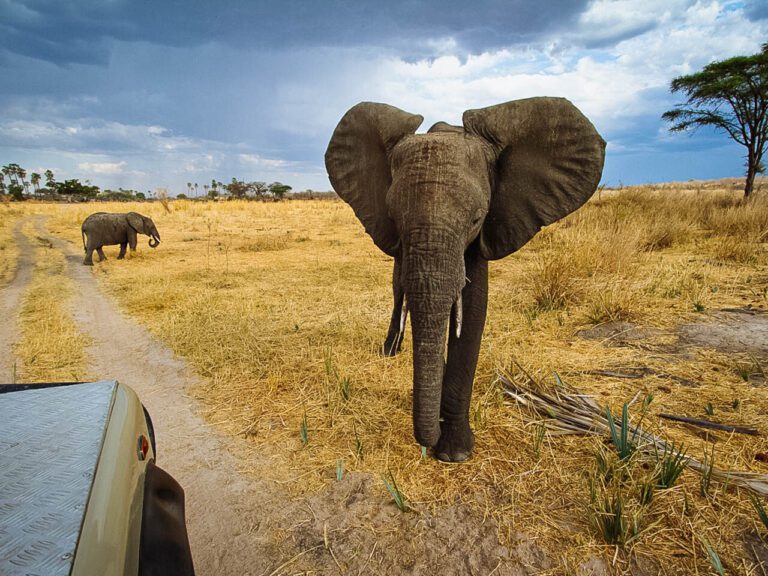
Amboseli National Park
Visit Amboseli National Park in Kenya for big-tusked elephants, Kilimanjaro views, Observation Hill and Maasai culture. Lodges and best time to go.
Park guide
Lake Nakuru National Park surrounds a soda lake on the floor of the Great Rift Valley, about three hours from Nairobi. It is one of the best places in Kenya to see both black and white rhinos, because the whole park is a fenced rhino sanctuary.
The lake shore can turn pink with flamingos, while acacia woodland shelters Rothschild’s giraffes, lions, leopards and buffalo. Since it is compact and easy to reach, Nakuru fits well between Nairobi and the Masai Mara.
Game drives around the lake give excellent chances of seeing white rhinos grazing on the open shore. Black rhinos are shyer and live in the thicker bush. Look out too for lions resting in the yellow-barked acacias.
Flamingo numbers rise and fall with the lake’s water level, but pelicans, storks and hundreds of other species are present all year.
Baboon Cliff offers the classic view over the lake, while the southern end of the park leads to the seasonal Makalia Falls.
One night is usually enough. Nakuru features on our 5-day Kenya Big Five safari and the 7-day Kenya wildlife safari.
Lake Nakuru National Park lies right beside Nakuru city, in the heart of the Rift Valley. From Nairobi, the drive takes around three hours on the main highway. On the way, the road climbs the eastern wall of the valley, where a viewpoint looks down over the escarpment and the plains below.
Most visitors enter through the main gate on the edge of the city. Because the park is so accessible, it works well as a first or last stop on a Kenya safari. From Nakuru, the Masai Mara is roughly five hours away by road, while Lake Naivasha is just over an hour.
The park is compact but varied. Around the shore, grassland gives way to yellow-barked acacia woodland, rocky ridges and a striking forest of tall candelabra euphorbia trees. In addition, cliffs on the western side offer some of the best views in the Rift Valley.
Over the past decade or so, the lake has risen sharply, flooding parts of the old shoreline. As the water became less salty, the huge flocks of flamingos that once made Nakuru famous became less predictable. However, flamingos still visit, and the lake remains excellent for pelicans and other water birds.
The park’s fence protects one of Kenya’s most important rhino populations. White rhinos are often seen in small groups on the grassy flats, whereas black rhinos keep to the bush. You are also likely to see Rothschild’s giraffes, which were brought here to help protect this rare subspecies.
Lions are seen regularly, and Nakuru is known for leopards in its acacia forests. Meanwhile, buffalo, waterbuck, zebras, warthogs and baboons are common almost everywhere.
Nakuru is rewarding all year, because the fence keeps most animals within a small area. The dry months from June to October and from January to March offer easy driving and good visibility. During these months, wildlife often gathers on the open grassland near the shore.
Rain usually falls from April to May and again in November. Then the park turns green, and some lower tracks can become muddy or close for a while. On the other hand, birdlife is at its best, as migrant species arrive from Europe and Asia around the short rains.
Many guests spend one night at Nakuru on the way to the Masai Mara. Here is how that might look with us.
We collect you in Nairobi in a 4×4 safari Land Cruiser with a pop-up roof. After a stop at the Rift Valley viewpoint, you reach Nakuru for lunch. Then an afternoon game drive heads along the shore to look for rhinos and buffalo.
An early drive takes you up to Baboon Cliff for the morning light over the lake. On the way down, you search the acacia forest for leopards and lions. Afterwards, you continue to the Mara, Lake Naivasha or Lake Baringo.
With a second night, you can also explore the quieter southern end of the park and Makalia Falls.
Lake Nakuru is a national park run by the Kenya Wildlife Service, so standard rules apply. Vehicles must stay on the tracks, and guests may leave the vehicle only at marked viewpoints. Also, keep a respectful distance from rhinos, since crowding them causes stress.
Baboons at the viewpoints can be bold, so never feed them and keep food out of sight. Similarly, close vehicle windows when you step out at a picnic site.
The Rift Valley floor is mild, but mornings can be cool, so bring a light fleece. A zoom lens of 100–400mm suits rhinos and birds, while a wider lens helps at Baboon Cliff. In addition, binoculars make a big difference when scanning the shore. Our birding safaris can add specialist guiding.
Classic safaris usually stay in the lodges inside the park, with views over the woodland or lake. Adventurer trips use good hotels in Nakuru city, which keeps costs down. For Signature travellers, we often pair a night here with a more exclusive lodge near Lake Naivasha.
Nakuru sits on the classic route between Nairobi and the Mara. For example, many itineraries combine it with Lake Naivasha and cycling in Hell’s Gate before heading to the Masai Mara. Others continue north to Ol Pejeta and Samburu.
To add Tanzania, you can fly from Nairobi to Kilimanjaro or continue overland after the Mara. Ready to start? Request a quote and we will tailor the route.
The lake also attracts a variety of wildlife. For example, both black and white rhinos are often seen grazing along its shores. Giraffes, buffaloes and various antelope live here too. The park offers a range of activities that enhance your visit. Game drives, for instance, explore diverse habitats, from lush acacia woodland to rocky outcrops and savannah. As a result, they reveal a rich array of wildlife beyond the flamingos.
Nature walks with knowledgeable rangers offer a closer look at the unique flora and smaller fauna. Meanwhile, scenic viewpoints such as Baboon Cliff and Lion Hill give panoramic views of the lake and surrounding landscape. In addition, Lake Nakuru National Park offers insights into conservation and the ecological importance of the lake. As part of Kenya’s remarkable national parks, Lake Nakuru shows the country’s commitment to preserving its natural heritage. Above all, it gives visitors an unforgettable experience.
Lake Nakuru is protected on several levels. Besides being a national park, it is a Ramsar wetland of international importance. In addition, it forms part of the Kenya Lake System in the Great Rift Valley, a UNESCO World Heritage Site shared with Lake Bogoria and Lake Elementaita. As a result, the lake is valued for its birds and its geology as well as its rhinos.
The park also faces real pressures. For example, Nakuru city sits right on its northern edge, so pollution and water use affect the lake. Meanwhile, the fence protects rhinos from poaching but also limits how far animals can roam. Therefore, careful management is needed to keep the ecosystem in balance.
Lake Nakuru National Park suits first-time visitors especially well. Because it is compact, you can see a lot in one afternoon. It is also a good choice if rhinos are high on your list.
Families find Nakuru easy, since the drive from Nairobi is fairly short and the game drives are not too long. For example, children often enjoy spotting rhinos and baboons from the vehicle. Then a stop at Baboon Cliff gives everyone a chance to stretch their legs.
Possibly, although numbers are now less predictable than in the past. Even so, pelicans, storks and many other water birds are present all year.
Yes, for most guests. However, a second night lets you explore the quieter south of the park at a slower pace.
Lions, leopards, buffalo and rhinos all live in the park. Elephants, by contrast, are not found here, so we pair Nakuru with the Mara or Amboseli.
It usually takes one night between Nairobi or Naivasha and the Masai Mara. Then, on a longer trip, you can add Samburu or Ol Pejeta in the north.
Every Traford safari comes in three styles: Signature (luxury), Classic (mid-range) and Adventurer (budget). These are the options we recommend most often; final choices depend on your dates and availability.
Keep exploring
Visit Amboseli National Park in Kenya for big-tusked elephants, Kilimanjaro views, Observation Hill and Maasai culture. Lodges and best time to go.
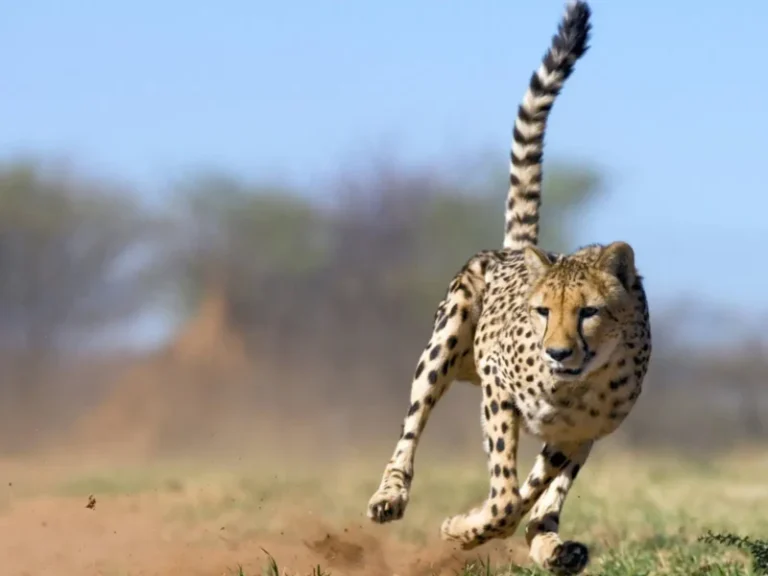
Cycle among zebras and giraffes in Hell’s Gate National Park, Kenya, hike the dramatic gorge, see Fischer’s Tower and relax at Naivasha.
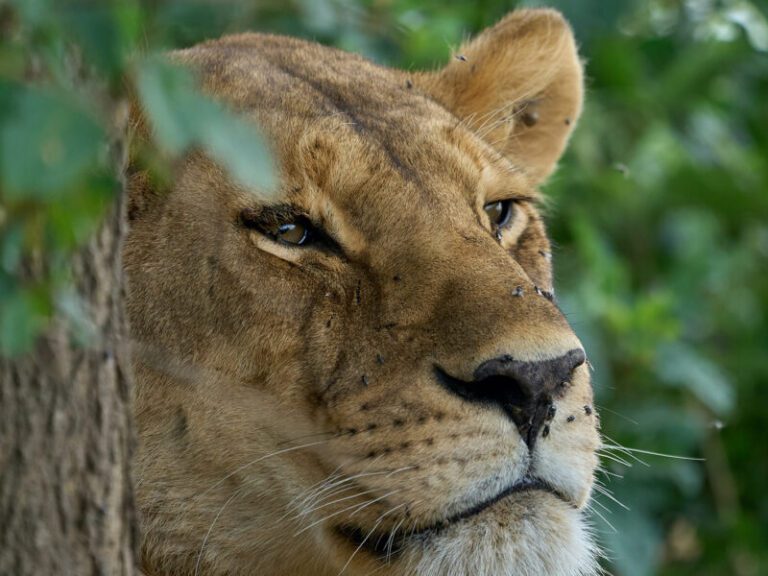
Visit Lake Naivasha in Kenya: hippo boat rides, walking safaris on Crescent Island, fish eagles and nearby Hell’s Gate, just two hours from Nairobi.
Safari packages
Itineraries that can include this destination. Every trip can be adjusted to your dates and budget.
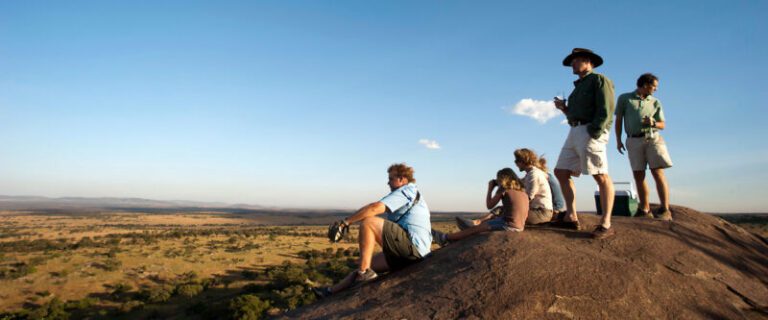
A private 6-day Big Five safari in Kenya, from Amboseli’s elephants to the big cats of the Masai Mara, at your own pace.
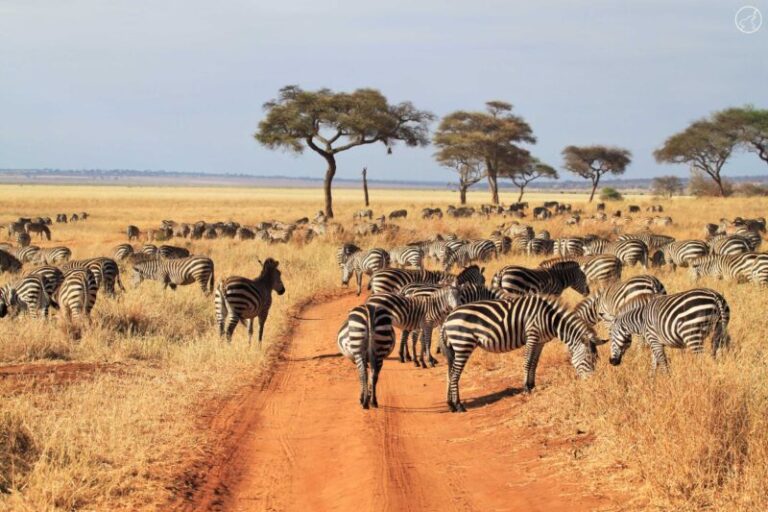
A 9-day overland Kenya safari through Amboseli, Lake Naivasha, Lake Nakuru, Ol Pejeta and the Masai Mara in mid-luxury lodges.
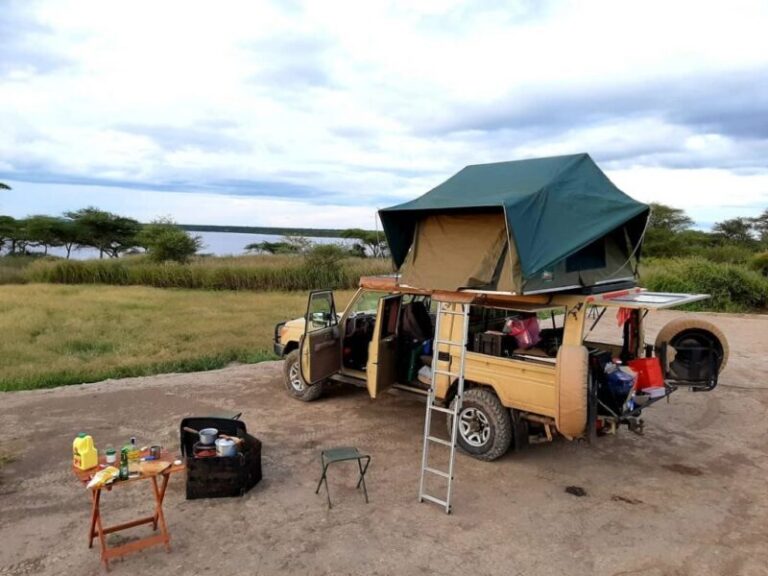
A mid-range 5-day Kenya safari: Amboseli’s elephants below Kilimanjaro, Lake Naivasha and game drives in the Masai Mara.
We use cookies to understand how visitors use our website so we can keep improving it. You can accept or decline analytics cookies. Read our Privacy & Cookie Policy.
Gorilla Trekking, Wildlife Tours & Cultural Experiences.