10-Day Best Tanzania Honeymoon
The Serengeti, Ngorongoro Crater and Lake Manyara, then barefoot days on Zanzibar’s beaches on this 10-day Tanzania honeymoon.
Home » Tanzania Safaris
Follow the Great Migration across the Serengeti, drive into the Ngorongoro Crater and see Tarangire’s elephants among the baobabs. Private Tanzania safaris planned around your dates.
Tanzania safaris
Tanzania holds some of the largest protected areas in Africa. On the northern circuit alone, for example, you can visit the endless plains of the Serengeti and the wildlife-filled Ngorongoro Crater. You can also explore elephant country in Tarangire and the forests and lakeshore of Lake Manyara.
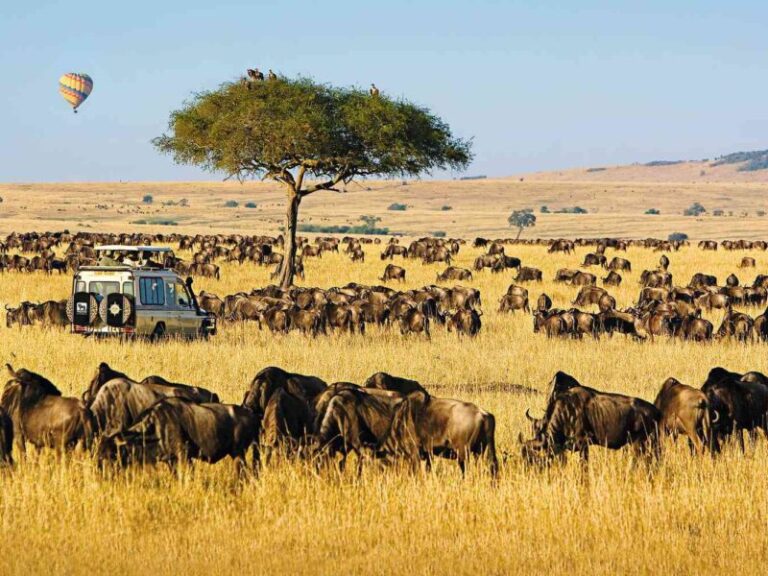
The Serengeti is home to the Great Migration for most of the year. Depending on the month, you might see calving on the southern plains or herds on the move in the west. Alternatively, you might see river crossings in the north. In addition, there is Kilimanjaro, Africa’s highest mountain, and the beaches of Zanzibar. As a result, Tanzania can fill a trip of any length.
We plan private Tanzania safaris with experienced driver-guides and lodges that suit your budget. We can also combine Tanzania with Kenya or with gorilla trekking in Uganda and Rwanda.
Safari packages
Northern-circuit wildlife safaris, honeymoons and safari-and-beach holidays, all adjustable to your dates and budget.
The Serengeti, Ngorongoro Crater and Lake Manyara, then barefoot days on Zanzibar’s beaches on this 10-day Tanzania honeymoon.
Eleven days covering Tarangire, Lake Manyara, Ngorongoro and the Serengeti, finishing with relaxing days on the beaches of Zanzibar.
An unhurried 12-day northern Tanzania safari with extended time in the Serengeti and Ngorongoro Crater for the best wildlife viewing.
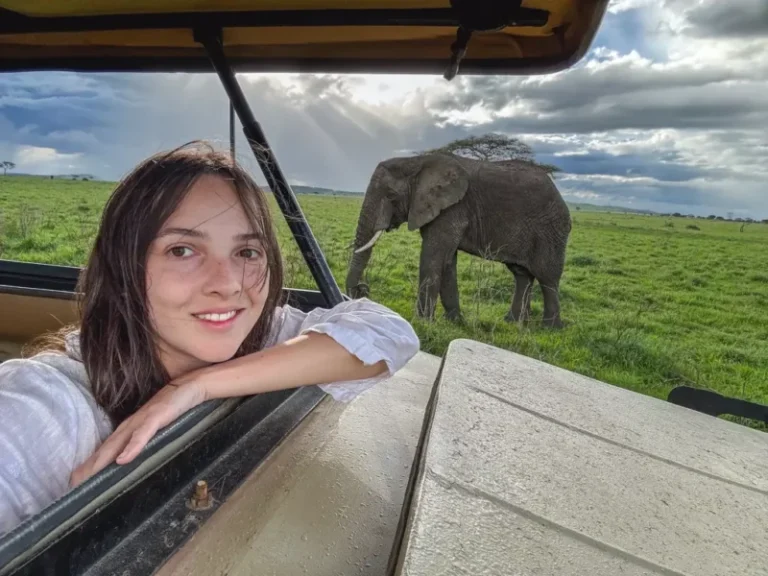
Search for the Big Five in Tarangire, the Serengeti and Ngorongoro Crater on this 5-day Tanzania safari from Arusha.
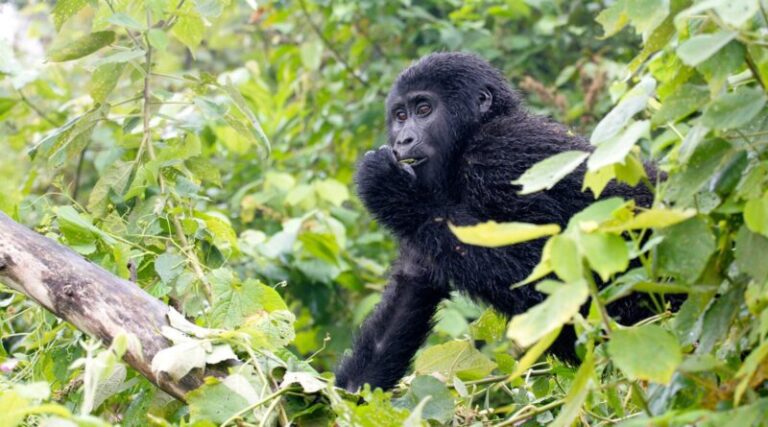
Pair Serengeti game drives in Tanzania with a mountain gorilla trek in Bwindi, Uganda, on this 6-day two-country tour.
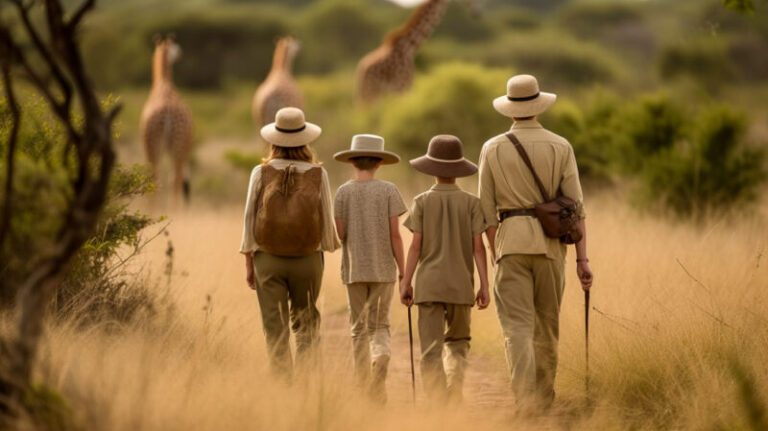
Tarangire, Lake Manyara, the Serengeti and Ngorongoro Crater in six days: a classic northern-circuit Tanzania wildlife safari from Arusha.
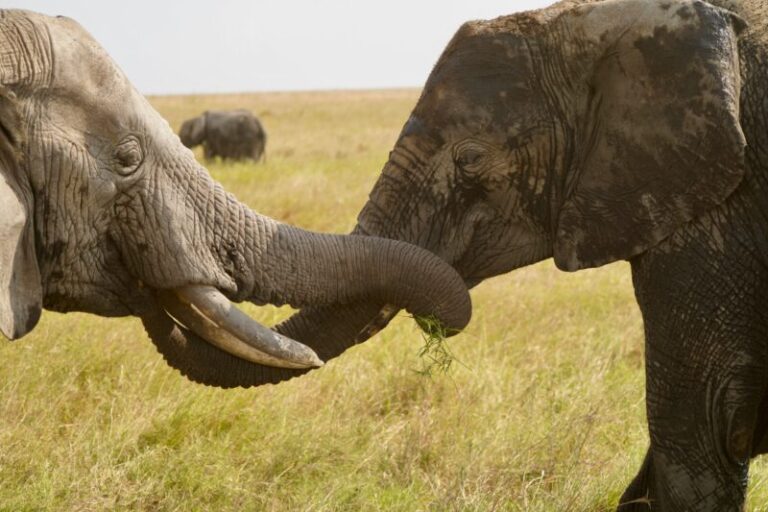
A romantic 7-day luxury safari through Tarangire, Ngorongoro Crater and the Serengeti, staying in handpicked lodges and camps.
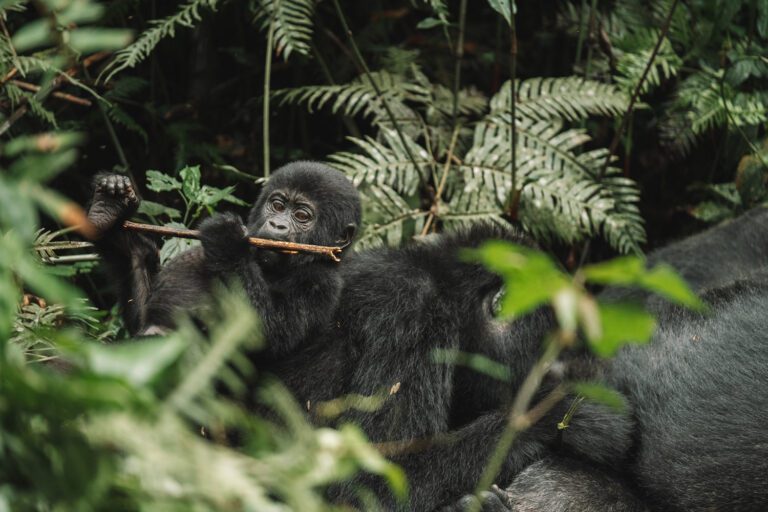
Three countries in one week: Serengeti game drives in Tanzania, then gorillas and primates in Uganda and Rwanda.
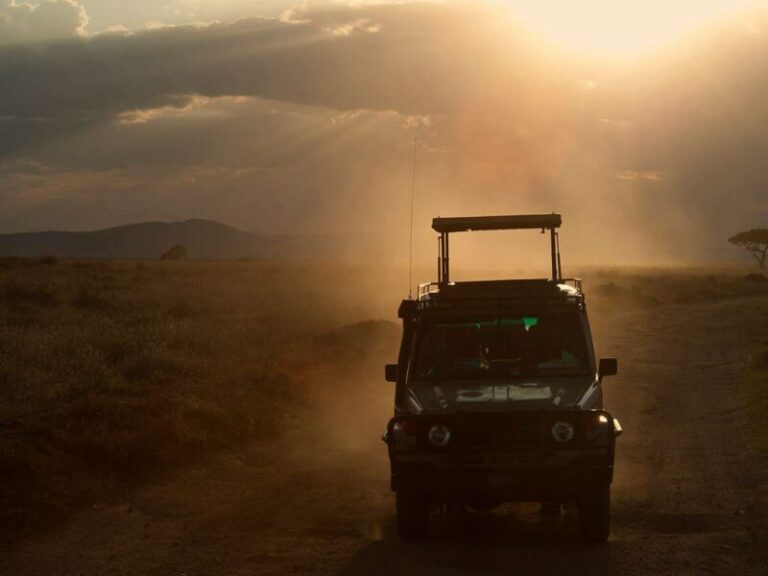
A 7-day northern Tanzania wildlife tour with game drives in Tarangire, Lake Manyara, the Serengeti and Ngorongoro Crater.
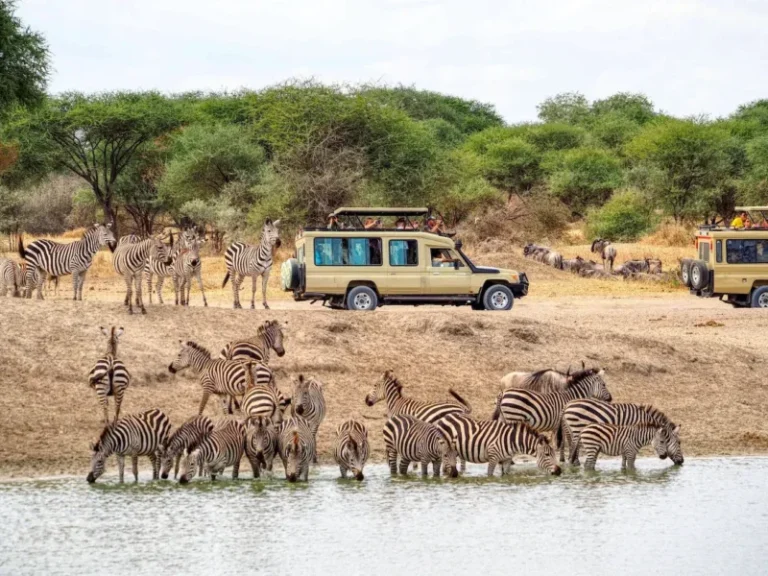
Eight days on Tanzania’s northern circuit: Tarangire, Lake Manyara, two or more days in the Serengeti and a descent into Ngorongoro Crater.
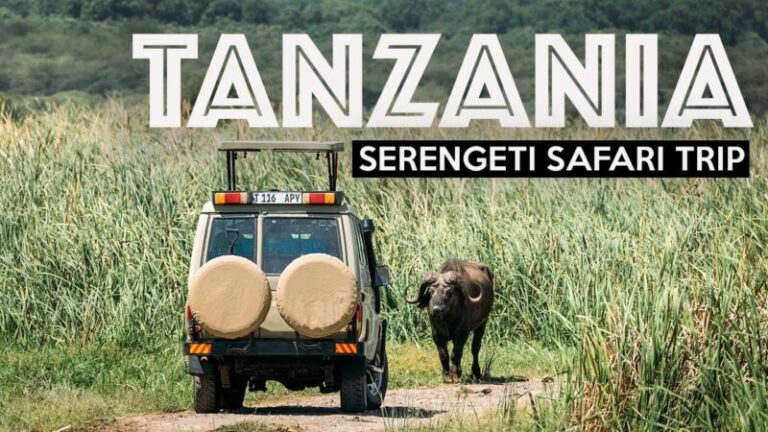
Nine days through Tarangire, Lake Manyara, the Serengeti and Ngorongoro Crater, with time to follow the wildlife at an unhurried pace.
Combine the Serengeti with Uganda’s best: chimpanzees in Kibale and mountain gorillas in Bwindi on this 9-day Tanzania and Uganda tour.
National parks
Tanzania’s northern circuit links some of Africa’s most famous wildlife areas within a few hours’ drive of Arusha.
Tanzania travel guide
Tanzania is East Africa’s largest country. Kenya and Uganda border it to the north, while six other countries border it to the west and south. Meanwhile, the Indian Ocean coast and the islands of the Zanzibar archipelago lie to the east.
Most northern safaris start in Arusha. However, international flights land at Kilimanjaro International Airport, about an hour’s drive from town. The northern parks sit at altitude, so mornings and evenings can be cool, especially on the rim of the Ngorongoro Crater.
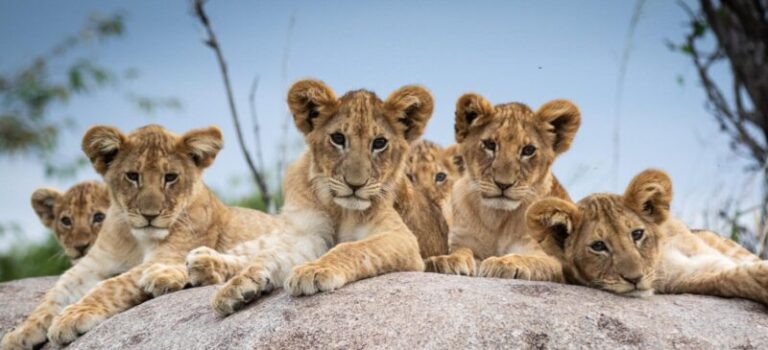
Serengeti National Park covers a vast area of grassland, woodland and rocky outcrops called kopjes. It has one of Africa’s highest densities of large predators, so you regularly see lions, cheetahs, leopards and hyenas.
The Great Migration follows the rains in a loop through the Serengeti and Kenya’s Masai Mara. Timing changes from year to year, but the general pattern is:
For this reason, we place your camps where we expect the herds to be during your travel dates. Our Great Migration page has more detail.
The Ngorongoro Crater is a huge, collapsed volcano whose floor is home to a dense population of wildlife. In fact, in a single game drive you can see lions, elephants, buffalo, zebra, wildebeest and hippos. It is also one of the better places in Tanzania to spot the endangered black rhino.
The crater is part of the Ngorongoro Conservation Area, where Maasai communities live alongside wildlife. Most visitors stay on the crater rim or in nearby Karatu, a highland town surrounded by coffee farms. Then they descend into the crater early in the morning.
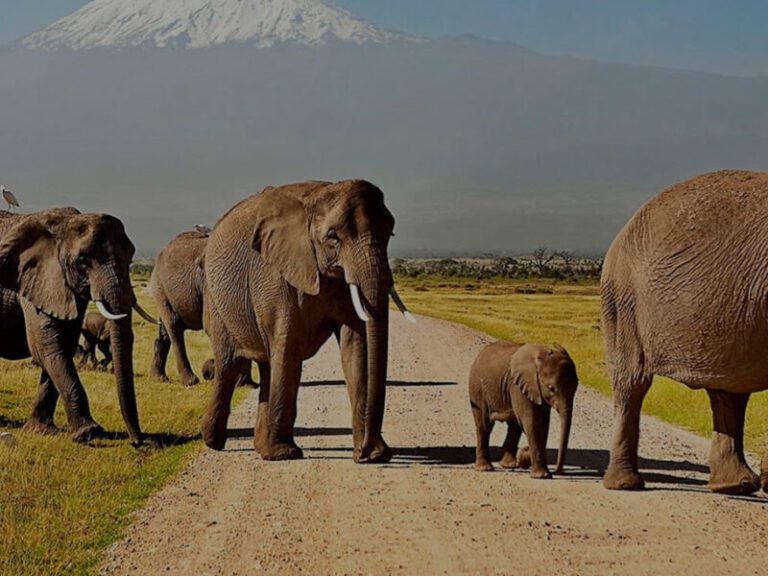
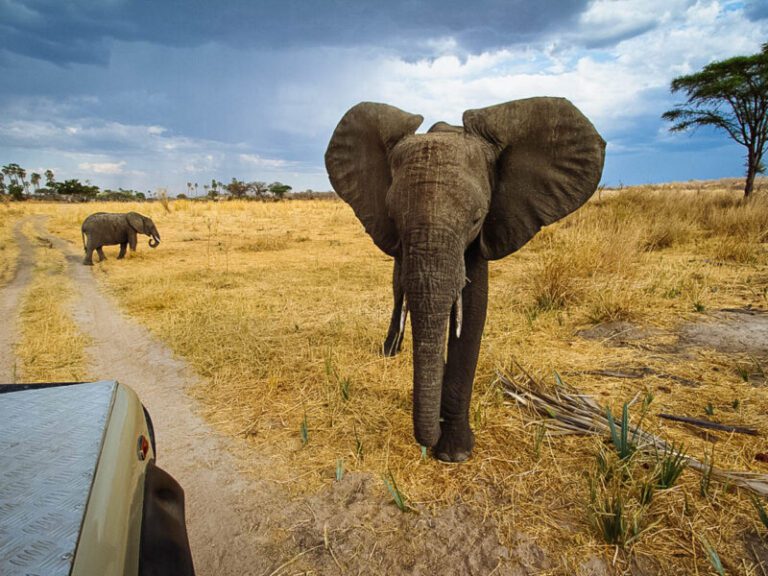
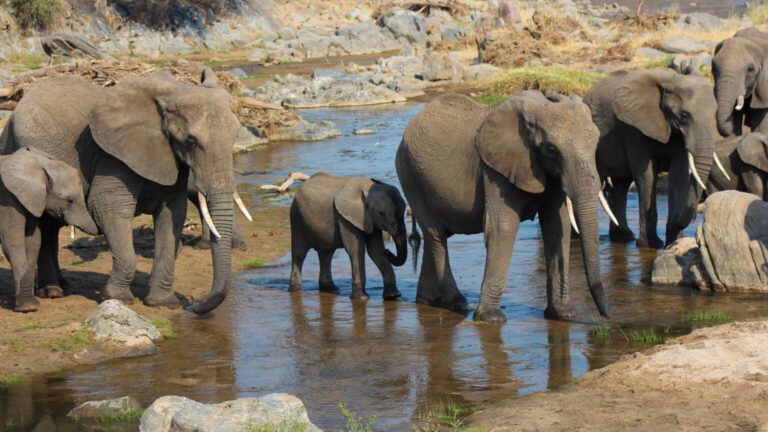
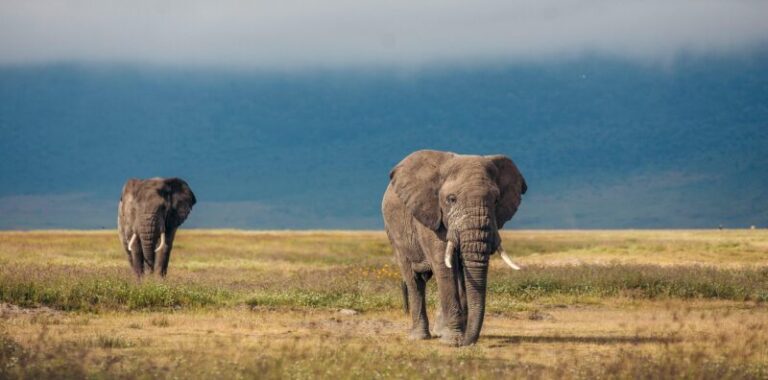
Tarangire National Park is famous for large herds of elephants and its ancient baobab trees. During the dry season, from about June to October, wildlife gathers along the Tarangire River. As a result, game viewing is excellent.
Lake Manyara National Park lies at the foot of the Rift Valley escarpment. Its groundwater forest, open floodplain and alkaline lake support baboons, elephants, giraffe and many water birds. Because it is compact, it makes a good first or last game drive on a northern circuit.
Mount Kilimanjaro is Africa’s highest mountain at 5,895 metres. You do not need technical climbing skills, but you do need time to acclimatise. In fact, most routes take six to nine days. Alternatively, shorter day hikes on the lower slopes suit travellers who want a taste of the mountain.
Zanzibar is the classic way to end a Tanzania safari. For example, you can relax on white-sand beaches, snorkel or dive, and explore Stone Town, a UNESCO World Heritage Site. See our beach getaways.
For more remote safaris, consider the southern parks, such as Ruaha and Nyerere National Park. They offer fewer vehicles, as well as boat and walking safaris. Ask us if you would like to include them.
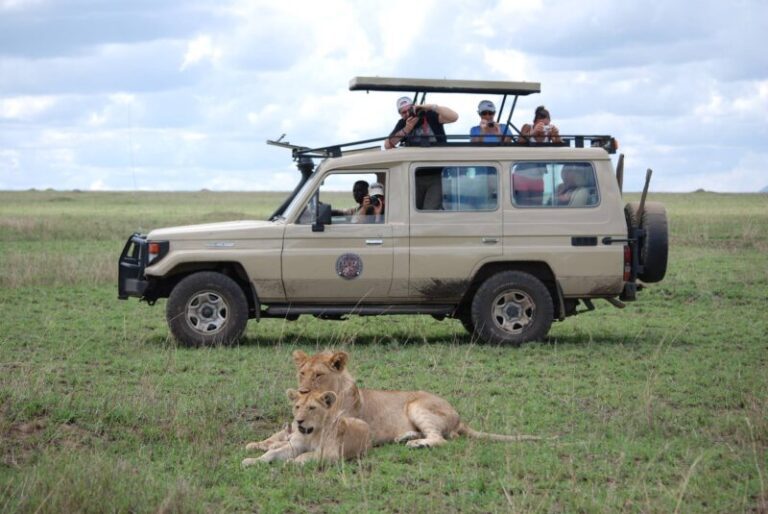
Northern circuit safaris usually travel in a private 4×4 vehicle with a pop-up roof, which gives everyone a good view. However, drives between parks can be long and bumpy, especially into the Serengeti. To save time, light aircraft connect Arusha with airstrips across the Serengeti and with Zanzibar.
Accommodation ranges from public campsites and budget lodges to luxury tented camps. In the Serengeti, mobile camps even move with the migration, so you can stay close to the herds.
Every trip we plan is private, and we build it around your dates, interests and pace. In fact, the wildlife is the same whatever you spend. Instead, what changes is the comfort of your camps and how you travel between parks. For this reason, we plan Tanzania safaris in three travel styles.
A popular approach is to drive in and fly out. First, you see Tarangire, the Rift Valley and the crater highlands on the way in. Then you take a short flight back to Arusha or on to Zanzibar.
Most first-time visitors choose the northern circuit. Its parks sit within reach of Arusha by road, and they include the Serengeti, the Ngorongoro Crater and Tarangire. This is where you follow the Great Migration. However, it is also the busiest region, especially from July to September.
The southern circuit, by contrast, feels wilder and much quieter. Nyerere National Park offers boat safaris on the Rufiji River, while Ruaha is famous for big lion prides, elephants and greater kudu. Both are also good places to look for African wild dogs. Most visitors fly in. The best months are June to October, since many camps close during the long rains.
Further west, Katavi and the chimpanzee forests of Mahale and Gombe are remote and need extra time. Even so, we can combine any of these regions in one trip.
Game drives are the heart of any safari in Tanzania. A typical day starts at dawn and pauses for lunch or a rest in the heat. It then finishes with an afternoon drive until sunset. On longer days in the Serengeti, however, many guests take a picnic lunch and stay out all day.
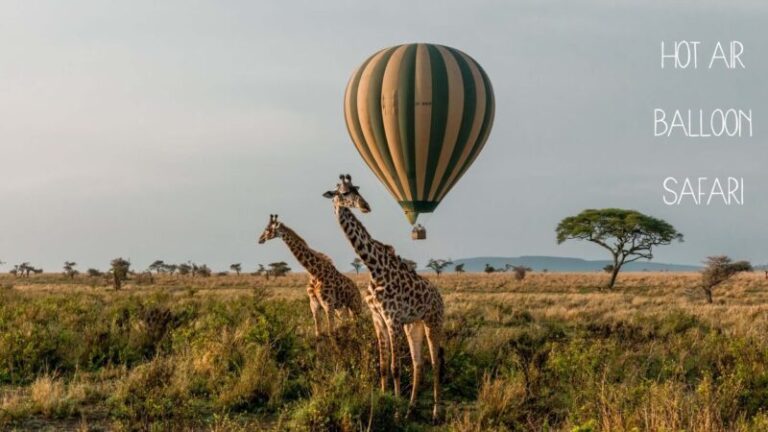
For a special morning, consider a hot-air balloon flight over the Serengeti. Balloons lift off at sunrise and drift low over the plains for about an hour. Afterwards, you have breakfast in the bush. However, flights depend on the weather, so book well in advance.
Guided walks also add a different view of the bush. For example, you learn about tracks, plants and insects that you would miss from a vehicle. Walking is possible in some parks and conservation areas, always with an armed ranger.
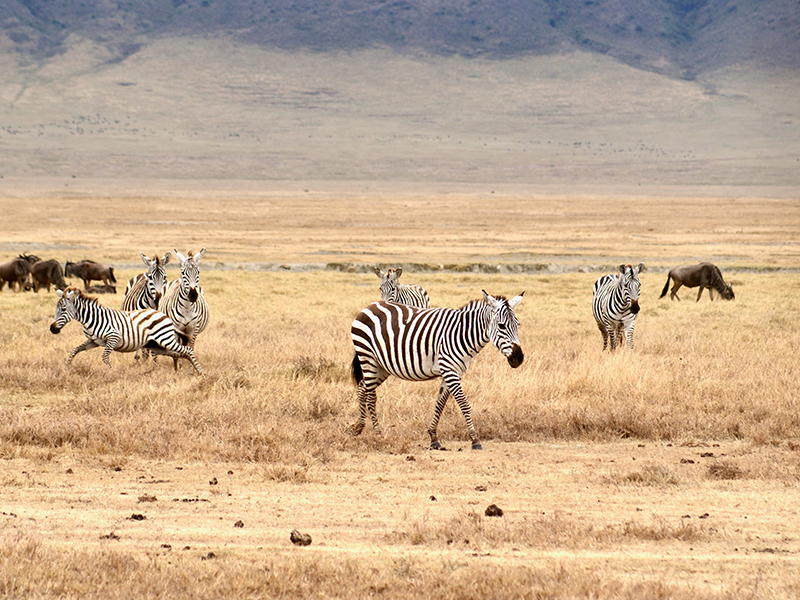
From about January to March, the migration herds spread across the southern Serengeti’s short-grass plains and the Ndutu area. The grass here grows on rich volcanic soil, so it gives nursing mothers the food they need. Most wildebeest calves arrive within a few weeks, usually in February.
This short window draws lions, cheetahs and hyenas, so predator sightings can be dramatic. The open plains also make it easier to follow the action. In addition, the land is green and the light is clear. There are also fewer vehicles than in the northern Serengeti during the crossings.
Short showers are possible at this time, but they rarely spoil a day. If calving is your priority, we place you in a camp close to the herds for at least three nights.
Tanzania is home to well over a hundred ethnic groups, and Swahili brings them together as a shared language. In fact, a few words go a long way: jambo means hello, asante means thank you and karibu means welcome.
On the northern circuit, for example, you can join a village walk in Mto wa Mbu. This busy market town lies between Tarangire and Ngorongoro. Meanwhile, around Karatu, farming families grow coffee and vegetables on the highland slopes. Near Lake Eyasi, some visitors also spend a morning with Hadzabe hunter-gatherers and Datoga blacksmiths.
Above all, ask before you photograph people, and follow your guide’s advice on local customs. Our cultural safaris page has more ideas.
Short flights link Arusha and the Serengeti airstrips with Zanzibar, so a beach finish fits easily after a safari. The north of the island has beaches where you can swim at most states of the tide. On the east coast, by contrast, the tide goes out a long way. This creates wide lagoons that are popular for kitesurfing.
Beyond the beach, you can snorkel around Mnemba Atoll, join a spice farm tour or walk in Jozani Forest. The forest protects the Zanzibar red colobus, a monkey found only on the island.
Zanzibar is mostly Muslim, so cover your shoulders and knees in Stone Town and in villages. Take extra care during Ramadan. Finally, for a ready-made safari and beach idea, see our 10-day Tanzania safari and beach holiday.
Tanzania safaris are generally very safe for visitors. Even so, keep valuables out of sight in towns and follow your guide’s advice at all times.
Check the latest official guidance before you travel, as rules and fees can change.
Questions
It depends on what you want to see. For example, January and February are best for calving in the southern Serengeti. Next, June and July suit the western corridor. Finally, July to October brings Mara River crossings in the north.
Yes. The Ngorongoro Crater gives you a good chance of all five, including the rare black rhino. The Serengeti and Tarangire also add excellent lion, leopard and elephant sightings.
Allow at least four to five days for Tarangire, Ngorongoro and the Serengeti. Six to eight days gives you more time in the Serengeti. With ten days or more, you can also add Zanzibar or Kilimanjaro.
Yes. Short flights connect the northern parks and Arusha with Zanzibar, so a beach extension at the end of a safari is easy to arrange.
Most visitors need a Tanzania visa, which you can usually get online before travel. However, the East Africa Tourist Visa does not cover Tanzania.
Yes. Tanzania and Kenya share the Serengeti-Mara ecosystem, and road and air links join the two. Flights also connect Tanzania with Uganda and Rwanda for gorilla trekking.
We use cookies to understand how visitors use our website so we can keep improving it. You can accept or decline analytics cookies. Read our Privacy & Cookie Policy.
Gorilla Trekking, Wildlife Tours & Cultural Experiences.