

Cultural trips are becoming some of the most sought-after travel experiences worldwide and for good reason. Unlike traditional tourism that focuses mainly on attractions and scenery, cultural trips immerse travelers in people, traditions, stories, food, art, and community life. They create meaningful moments, unforgettable exchanges, and a much deeper understanding of a destination.
Below are the key reasons why cultural trips are so interesting, rewarding, and importantly affordable for many travelers.
1. They Offer Authentic Experiences You Can’t Find Anywhere Else
Cultural trips allow travelers to move beyond sightseeing and step into real-life moments with local communities.
This can include:
-
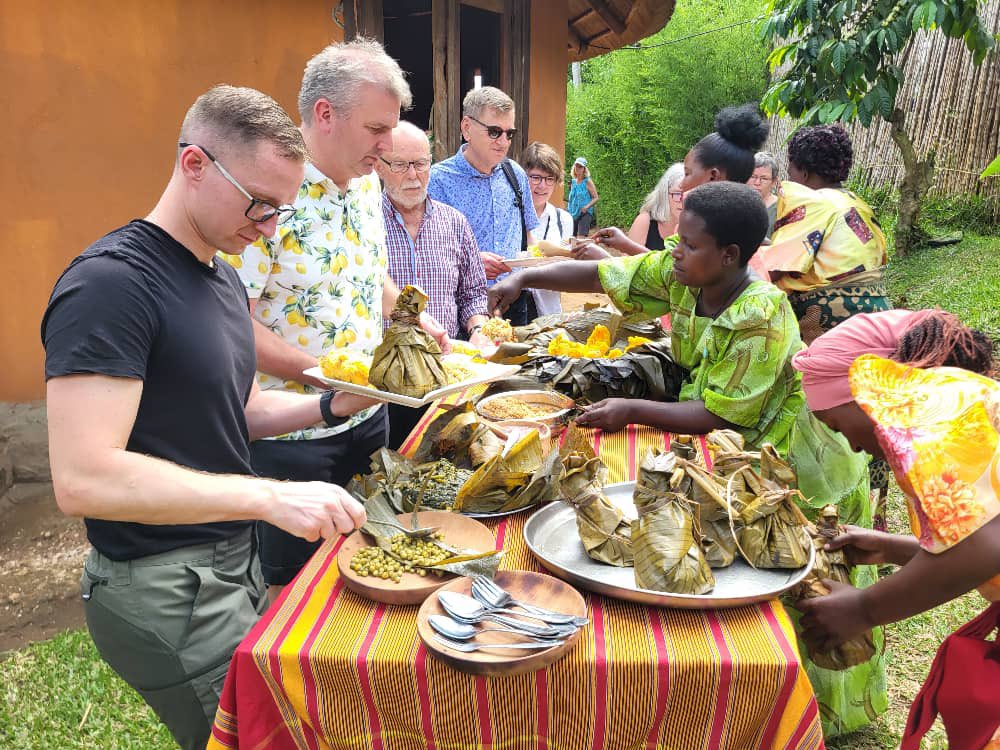
Joining villagers in cooking traditional meals
-
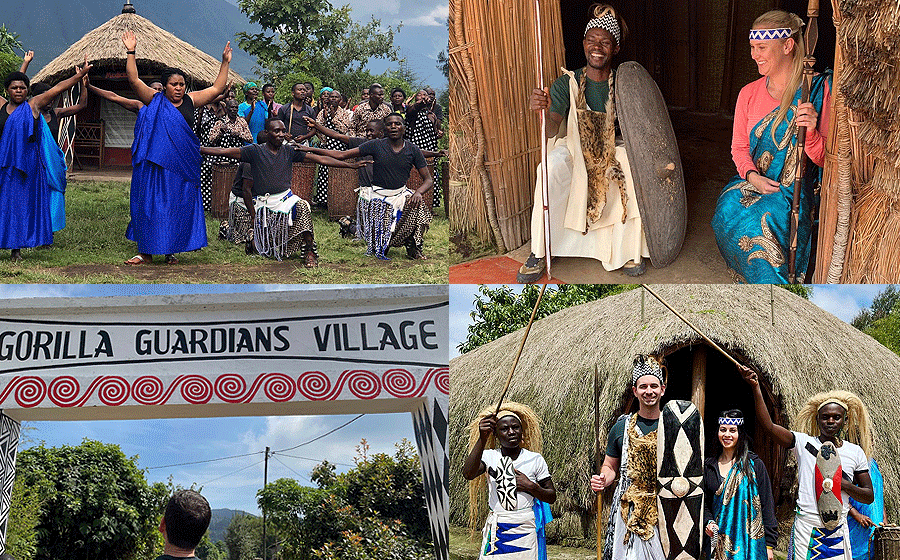
Taking part in age-old dances and ceremonies
-
Learning crafts like weaving, pottery, or spear-making
-
Listening to elders share stories and legends
-
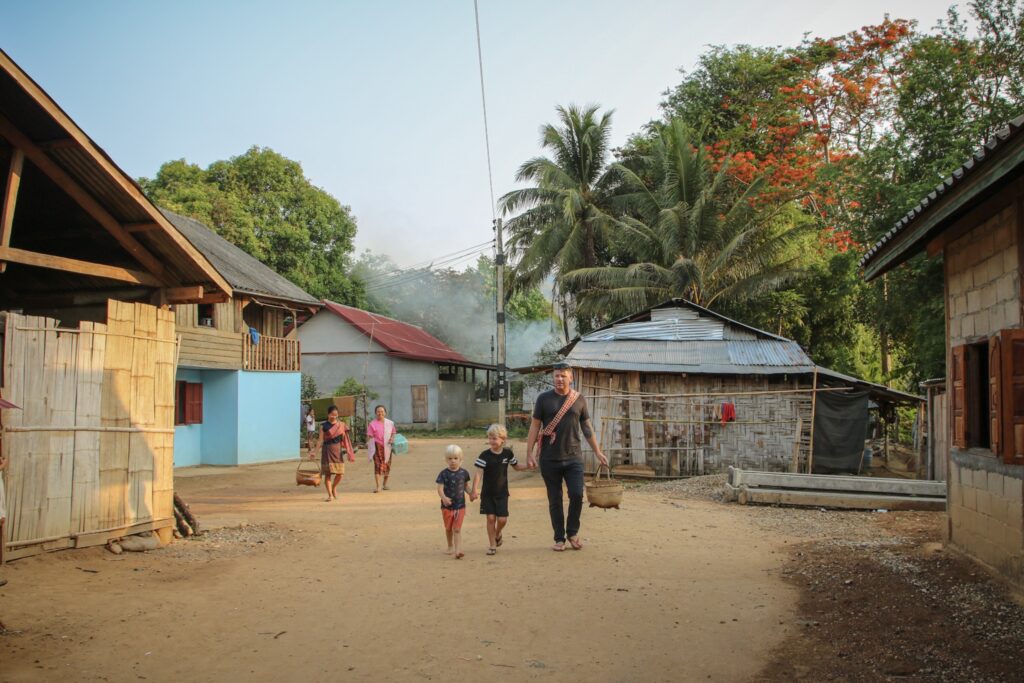
Visiting farms, markets, schools, and local homes
These moments are genuine, unscripted, and human far more memorable than any museum visit or game drive alone.
2. They Are Surprisingly Affordable Compared to Luxury Safaris
One of the hidden advantages of cultural tourism is affordability.
Cultural experiences usually involve:
-
Local guides
-
Community-run activities
-
Village visits
-
Hands-on workshops
-
Traditional meals
These cost significantly less than high-end lodges or premium game drives, making cultural trips accessible even to budget-conscious travelers.
Travelers can enjoy:
-
Low-cost community guesthouses
-
Affordable local meals
-
Cultural tours run by cooperatives
-
Village homestays
Yet the experiences are rich, meaningful, and often more memorable than expensive activities.

3. They Support Local Communities Directly
Cultural tourism has one of the largest positive impacts on the host communities.
Travelers’ money goes directly to:
-
Local artisans
-
Women’s cooperatives
-
Traditional dance groups
-
Farmers and fishermen
-
Village tour guides
-
Cultural centers
This support helps preserve endangered traditions, empowers marginalized groups, and ensures that culture is valued and protected for future generations.
It’s travel with purpose.
4. They Provide Opportunities for Deep Human Connection
Cultural trips are not just educational they’re emotional.
Travelers often describe:
-
Feeling welcomed into communities
-
Making friends with local families
-
Being moved by storytelling
-
Sharing laughter, music, and dance
-
Building long-lasting relationships
These connections help break stereotypes, increase global understanding, and create unforgettable personal experiences.

5. They Teach Skills and Practical Knowledge
Unlike classic vacations, cultural trips are hands-on.
Visitors often learn:
-
Cooking methods from local kitchens
-
How to identify medicinal plants
-
Fire-making, tracking, or bow-and-arrow skills
-
Pottery, beadwork, carving, and weaving
-
Farming, coffee processing, or fishing techniques
Travelers go home with not just memories but new skills and knowledge.
6. They Preserve Cultural Heritage
Cultural travel helps communities continue:
-
Traditional dances
-
Languages and storytelling
-
Craftsmanship
-
Rituals and ceremonies
-
Agricultural techniques
-
Architectural styles
Without tourism, many of these practices risk disappearing due to modernization. Travelers play an important role in keeping cultural identity alive.
7. They Offer Diverse Experiences in One Trip
Cultural itineraries are extremely diverse perfect for travelers who love variety.
A single cultural trip can include:
-
Food tasting
-
Handicraft workshops
-
Historical tours
-
Community visits
-
Music and dance evenings
-
Spiritual or ritual experiences
-
Farm or market tours
There is something for everyone, from food lovers and artists to adventurers and history enthusiasts.
8. They Are Family-Friendly and Suitable for All Ages
Cultural trips are ideal for:
-
Families with kids
-
Solo travelers
-
Couples
-
School groups
-
Seniors
Because the activities are interactive, safe, and educational, they appeal to travelers across all age groups. Children especially love music, dance, markets, and crafts.
9. They Are Safe and Structured
Cultural tours are usually guided and well-organized, making them a safe option for travelers who may be visiting a country for the first time.
Visitors benefit from:
-
Trained cultural guides
-
Planned community interactions
-
Secure environments
-
Organized transportation
-
Professional oversight from tour operators like Traford Safaris
Travelers can enjoy immersive experiences without worry.
Conclusion: Why Cultural Trips Matter
Cultural travel is more than a vacation it is a meaningful exchange between people, built on respect, curiosity, and shared humanity. It is affordable, immersive, and deeply rewarding, offering experiences you cannot find in traditional tourism.
At Traford Safaris, we design cultural journeys that let travelers truly feel a destination its rhythms, flavors, stories, and communities. For those seeking authenticity, connection, and value, cultural trips offer one of the richest ways to explore the world.