
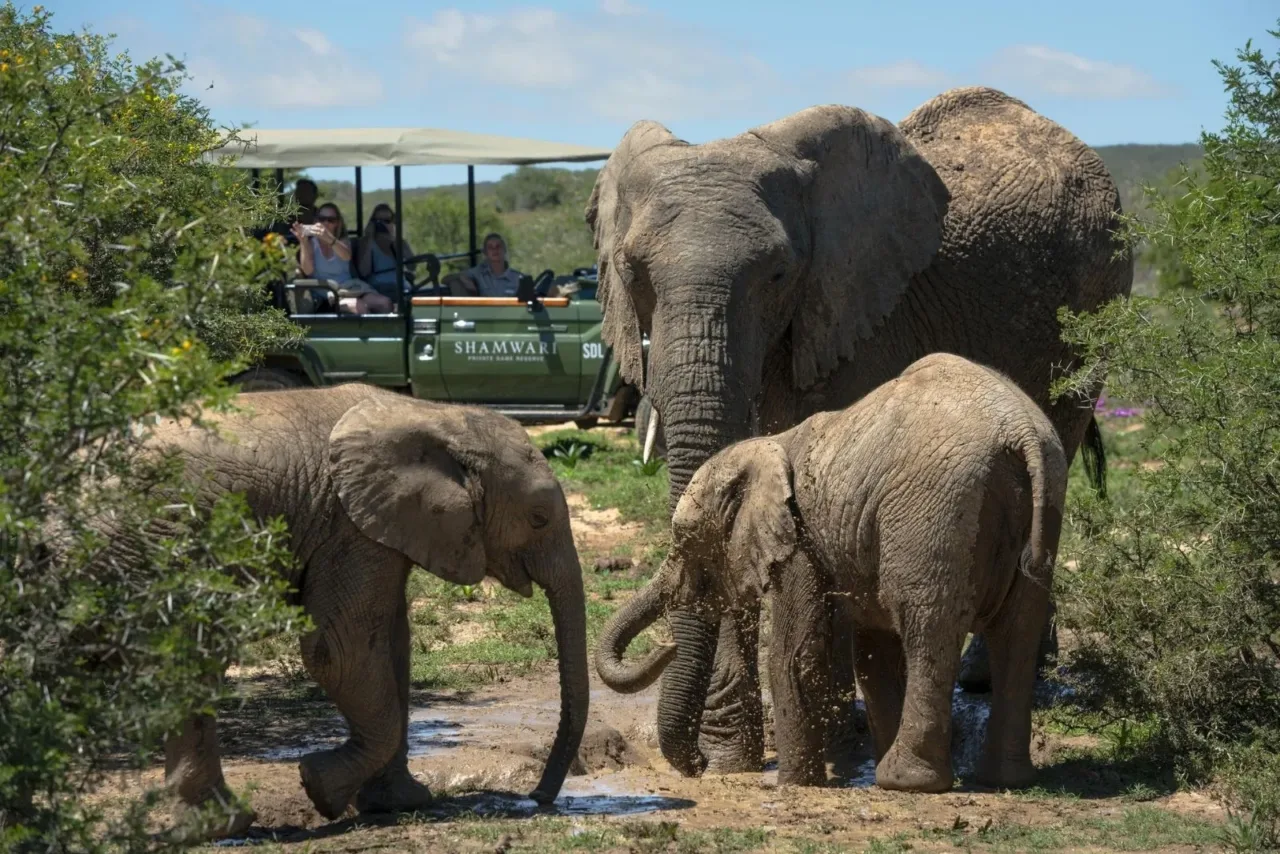
For decades, planning a safari in East Africa was relatively straightforward. Travelers chose their destination, booked their flights, secured accommodation, and counted down the days until their adventure began. Today, however, the global travel landscape is changing rapidly, and these changes are influencing how people plan safaris.
From rising fuel prices and airline route adjustments to increasing demand for unique travel experiences, global events are reshaping the tourism industry in ways that directly affect travelers heading to Uganda, Rwanda, Kenya, and Tanzania.
The good news is that East Africa remains one of the world’s most sought-after destinations. However, understanding these changes can help travelers plan smarter, secure better value, and make the most of their safari Travel in 2026
The Impact of Rising Fuel Prices on Travel
One of the biggest factors influencing travel costs worldwide is the price of fuel.
Airlines rely heavily on jet fuel, which often represents one of their largest operating expenses. When global fuel prices rise, airlines typically respond by increasing ticket prices, introducing fuel surcharges, or adjusting flight schedules.
Recent geopolitical tensions in various parts of the world, particularly around key oil-producing regions and shipping routes, have created uncertainty in global energy markets. As a result, many travelers have noticed a steady increase in international airfare compared to previous years.
For safari travelers, this means that flights to major East African gateways such as Entebbe, Kigali, Nairobi, and Kilimanjaro may cost more than they did a few years ago.
However, higher airfare has not reduced interest in African safaris. Instead, it has encouraged travelers to plan further ahead and maximize the value of every trip.
Airlines Are Changing Routes and Schedules
Global events have also prompted airlines to rethink some of their routes.
Changes in airspace regulations, security considerations, and operational costs have led many airlines to modify flight paths, reduce frequencies on some routes, and increase services on others.
At the same time, East Africa continues to benefit from growing connectivity. Airlines such as Ethiopian Airlines, Qatar Airways, Emirates, Turkish Airlines, Kenya Airways, and RwandAir continue to expand access to the region.
New routes and increased competition on certain corridors are helping travelers reach East Africa more easily than ever before. The recent expansion of direct connections from North America and Europe is particularly beneficial for travelers seeking shorter travel times and fewer layovers.
For safari planners, flexibility has become increasingly important. Sometimes flying into Kigali instead of Entebbe, or Kilimanjaro instead of Nairobi, can lead to significant savings and a smoother overall itinerary.

Travelers Are Booking Earlier Than Ever
One of the clearest travel trends emerging in 2026 /2027is the rise of early booking.
Many travelers have learned that waiting until the last minute often means paying more for flights, accommodations, and permits.
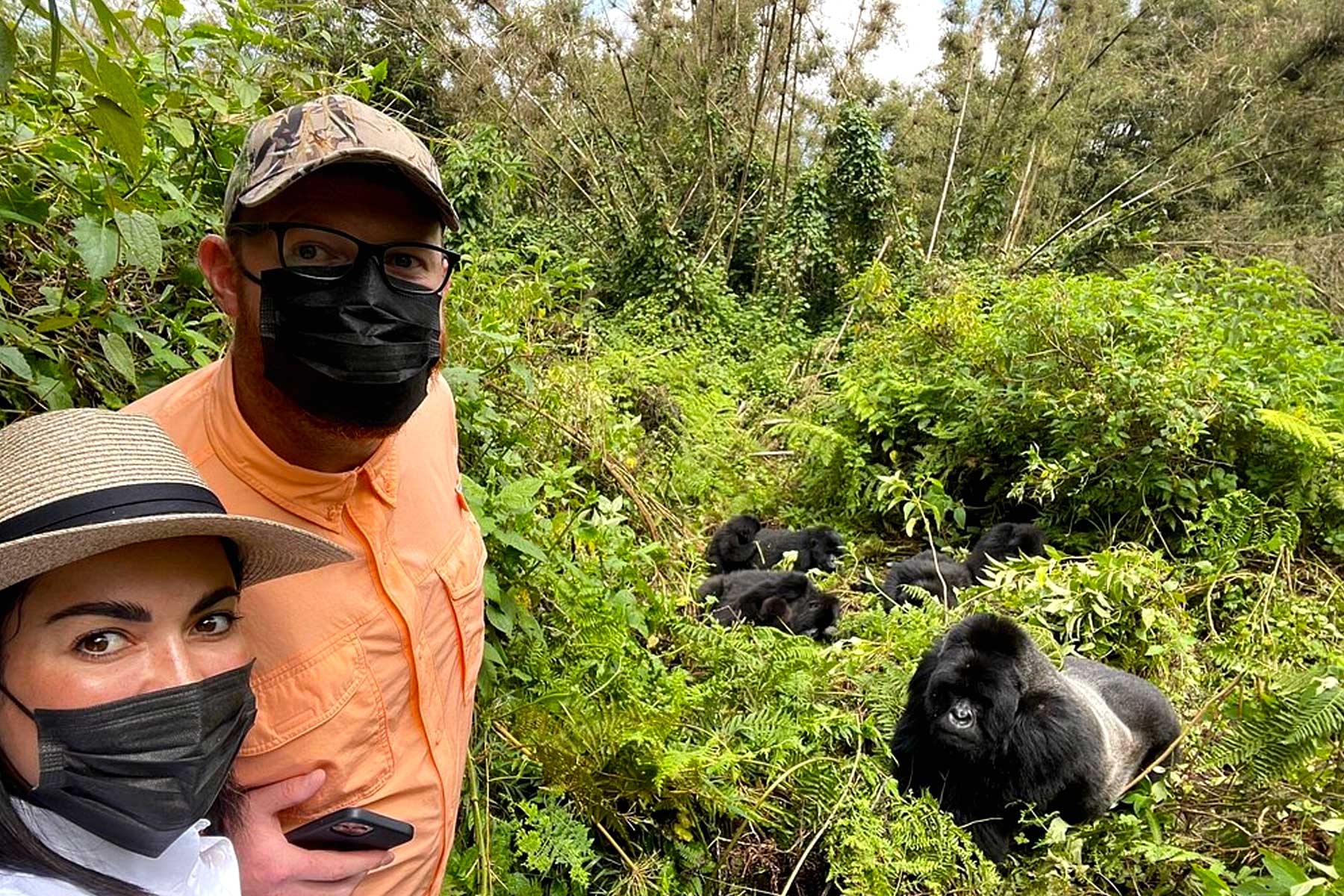
This trend is especially noticeable in East Africa, where popular experiences such as gorilla trekking have limited availability. Gorilla permits in Uganda and Rwanda are issued in restricted numbers each day, and prime travel dates often sell out months in advance.
As a result, many travelers are now planning safaris 12 to 18 months ahead, particularly for peak travel periods between June and October.
Early planning not only secures better availability but also provides more flexibility when selecting accommodations, flights, and activities.
The Rise of Longer and More Meaningful Travel
Another consequence of higher travel costs is a shift in traveler behavior.
Instead of taking multiple short international vacations each year, many people are choosing fewer but more meaningful journeys.
This trend has benefited East Africa because the region offers extraordinary diversity within a single trip. Travelers can combine gorilla trekking in Uganda or Rwanda with wildlife safaris in Kenya and Tanzania, creating a once-in-a-lifetime experience that justifies the long-haul flight.
Many visitors now view a safari not simply as a holiday but as a transformational experience that combines wildlife, culture, conservation, and adventure.
Sustainable Travel Is Becoming a Priority
Global conversations about sustainability are also influencing travel decisions.
Today’s travelers increasingly want to know that their tourism spending benefits local communities and contributes to conservation efforts.
East Africa is particularly well positioned to meet these expectations. Gorilla trekking permits help fund conservation programs. Community tourism projects support local livelihoods. National parks generate revenue that protects wildlife and habitats.
Consequently, many travelers are seeking experiences that create positive impacts while delivering unforgettable memories.
Community walks in Uganda, coffee experiences in Rwanda, Maasai village visits in Kenya, and cultural encounters in Tanzania are becoming increasingly popular additions to traditional safari itineraries.
Technology Is Changing the Way People Plan Safaris
Technology continues to transform travel planning.
Travelers now research destinations through social media, YouTube, blogs, podcasts, and online reviews long before contacting a tour operator.
Content creators and travel influencers have become powerful sources of inspiration, introducing audiences to destinations they may never have previously considered.
As a result, lesser-known attractions such as Karamoja in Uganda, Rubondo Island in Tanzania, and community tourism projects around Rwanda are gaining visibility among international travelers.
This increased exposure is helping diversify tourism across East Africa while encouraging visitors to explore beyond traditional safari circuits.
Why East Africa Remains Strong Despite Global Challenges
While global events continue to shape travel patterns, East Africa remains one of the most resilient tourism regions in the world.
The region offers:
- World-class wildlife experiences
- Mountain gorilla trekking
- Rich cultural encounters
- Exceptional biodiversity
- Diverse landscapes
- Competitive safari options for different budgets
Moreover, countries such as Uganda, Rwanda, Kenya, and Tanzania continue to invest heavily in tourism infrastructure, conservation initiatives, and visitor experiences.
These investments ensure that East Africa remains attractive even during periods of global uncertainty.
How Traford Safaris Helps Travelers Navigate a Changing Travel Landscape
At Traford Safaris, we understand that travel planning has become more complex than ever.
That is why we help our clients:
- Secure permits well in advance
- Identify the best travel periods
- Build cost-effective itineraries
- Select efficient flight routes
- Combine destinations for maximum value
- Access trusted accommodations and local experiences
Our goal is to help travelers navigate changing travel conditions while ensuring they enjoy a seamless and memorable safari experience.
Final Thoughts
Global events will continue to influence how people travel in 2026 and beyond. Rising fuel costs, airline route adjustments, changing traveler priorities, and growing demand for meaningful experiences are all reshaping the safari industry.
Yet despite these challenges, East Africa remains one of the most rewarding destinations on the planet. In fact, these changes are encouraging travelers to plan more thoughtfully, travel more intentionally, and seek deeper connections with the places they visit.
For those dreaming of gorillas in Bwindi, the Great Migration in the Serengeti, or cultural encounters across East Africa, the opportunity remains as exciting as ever. The key is simple: plan ahead, stay flexible, and work with experienced safari specialists who understand the evolving travel landscape.