
You’re on safari in East Africa.
You’ve already seen elephants.
Maybe a lion.
A leopard would be an exciting bonus.
And then someone asks:
“Wait… are there tigers in Africa too?”
It sounds like a perfectly reasonable question.
After all, Africa is home to some of the most famous big cats on Earth. Lions roam the savannah. Leopards disappear into the trees. Cheetahs race across open grasslands.
So where do tigers fit into all of this?
Here’s the surprising answer: you won’t find wild tigers roaming the savannahs of Uganda, Kenya, Tanzania or Rwanda.
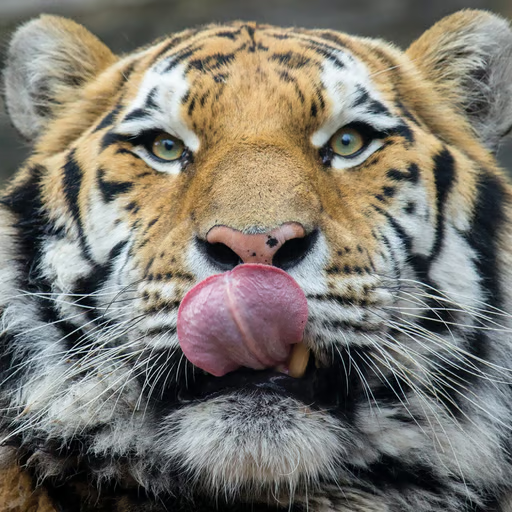
Tigers are native to Asia, not Africa. Their natural range stretches across parts of Asia, from the Russian Far East to South and Southeast Asia.
But the story gets more interesting from here.
So, Why Don’t Tigers Live in Africa?
The easiest way to understand this is to go back to where tigers evolved.
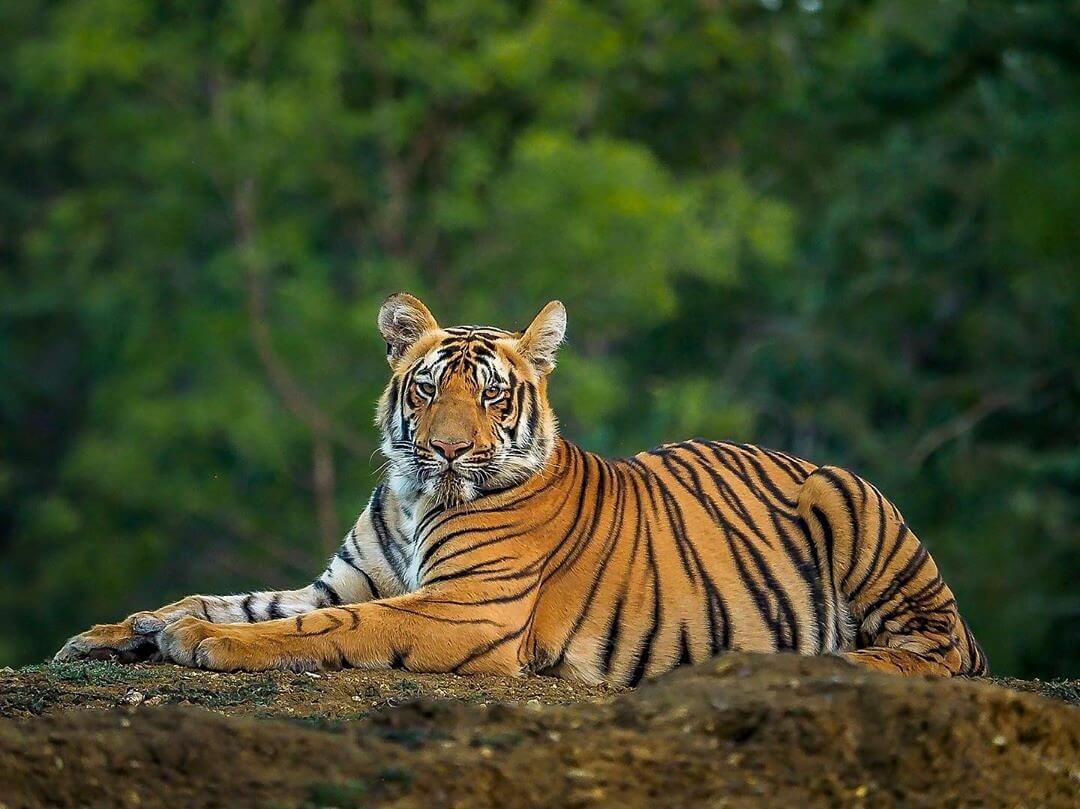
The tiger (Panthera tigris) is an Asian big cat. Unlike lions and leopards, whose natural ranges historically extended into both Africa and parts of Asia, tigers developed their wild populations in Asia.
Today, wild tigers survive in a number of Asian countries, including India, Nepal, Bhutan, Russia, China and parts of Southeast Asia.
Africa simply isn’t part of their natural modern range.
And that’s why you won’t be driving through Queen Elizabeth National Park, Murchison Falls, Akagera, the Serengeti, or the Maasai Mara and suddenly come across a tiger crossing the road.
If you do, something has gone very, very wrong with your safari itinerary. 😄
But Africa Has Big Cats. Why Not Tigers?
This is where things get interesting.
Africa already has an impressive collection of big cats.
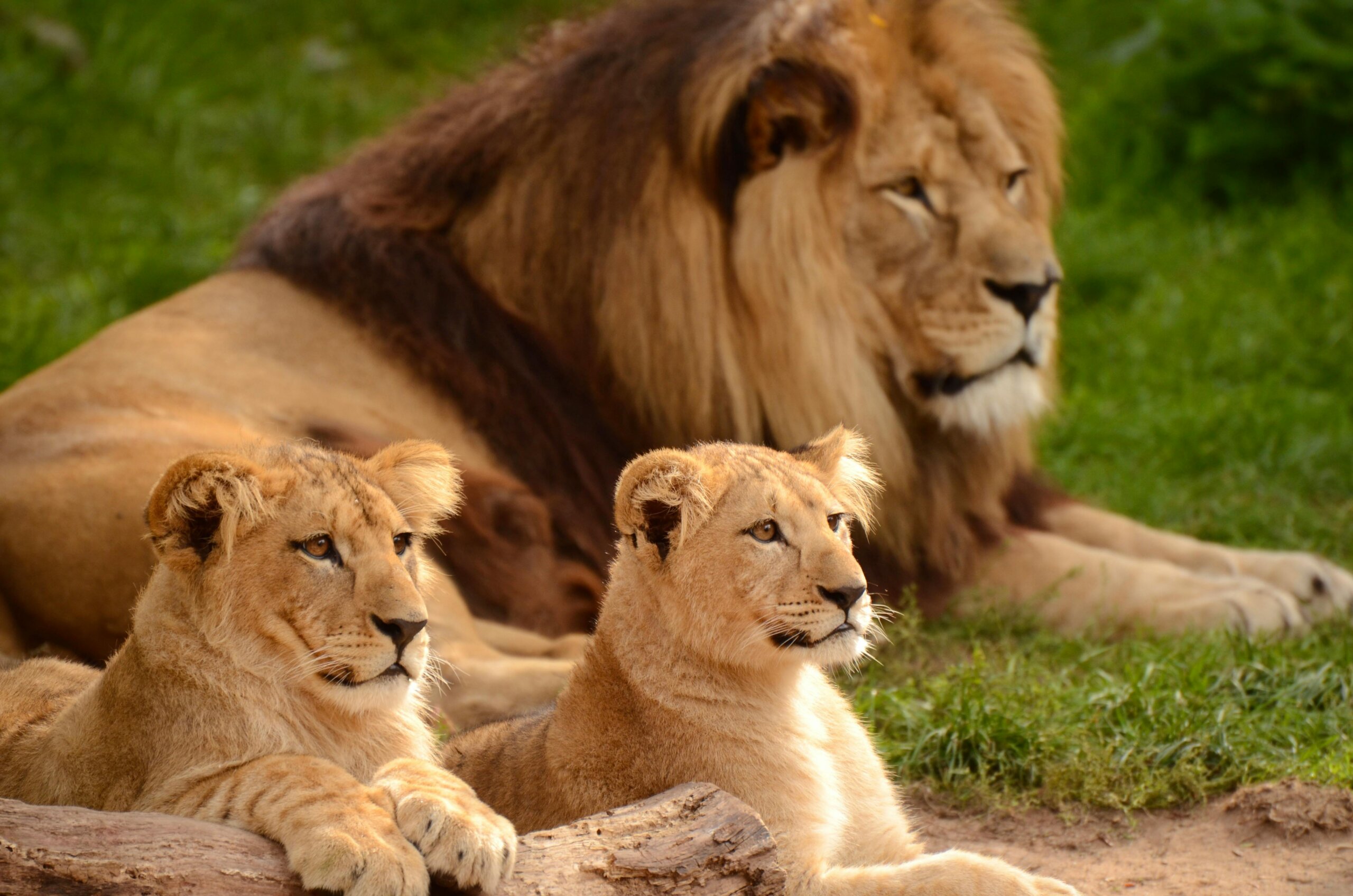
Lions
The lion is probably the first animal that comes to mind when you picture an African safari.
They live in prides, hunt cooperatively in many situations, and are especially associated with the open savannahs of East Africa.
Leopards
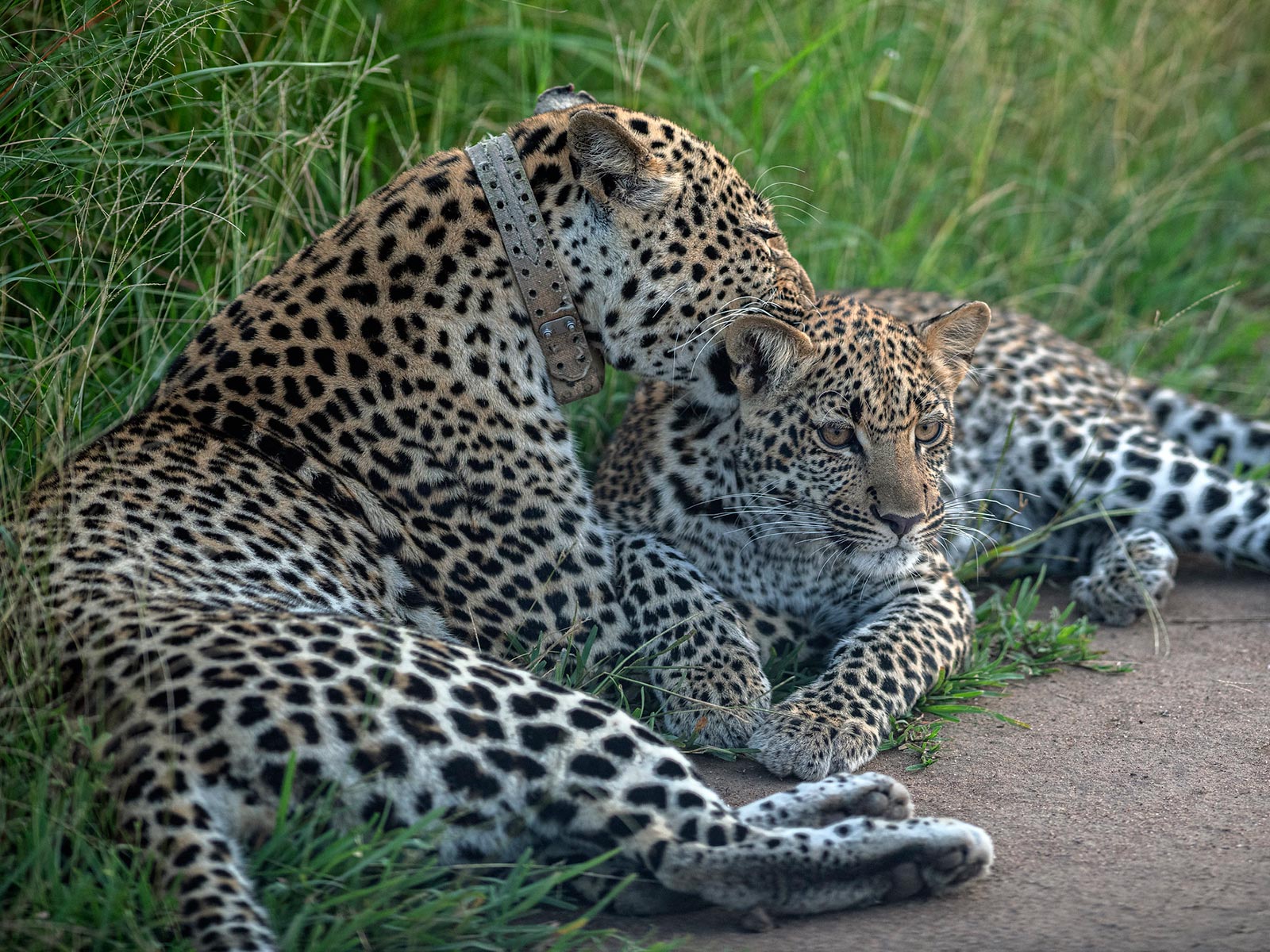
Leopards are another story altogether.
They are powerful, secretive and remarkably adaptable. You might spend hours looking for one before suddenly spotting a spotted coat resting high in a tree.
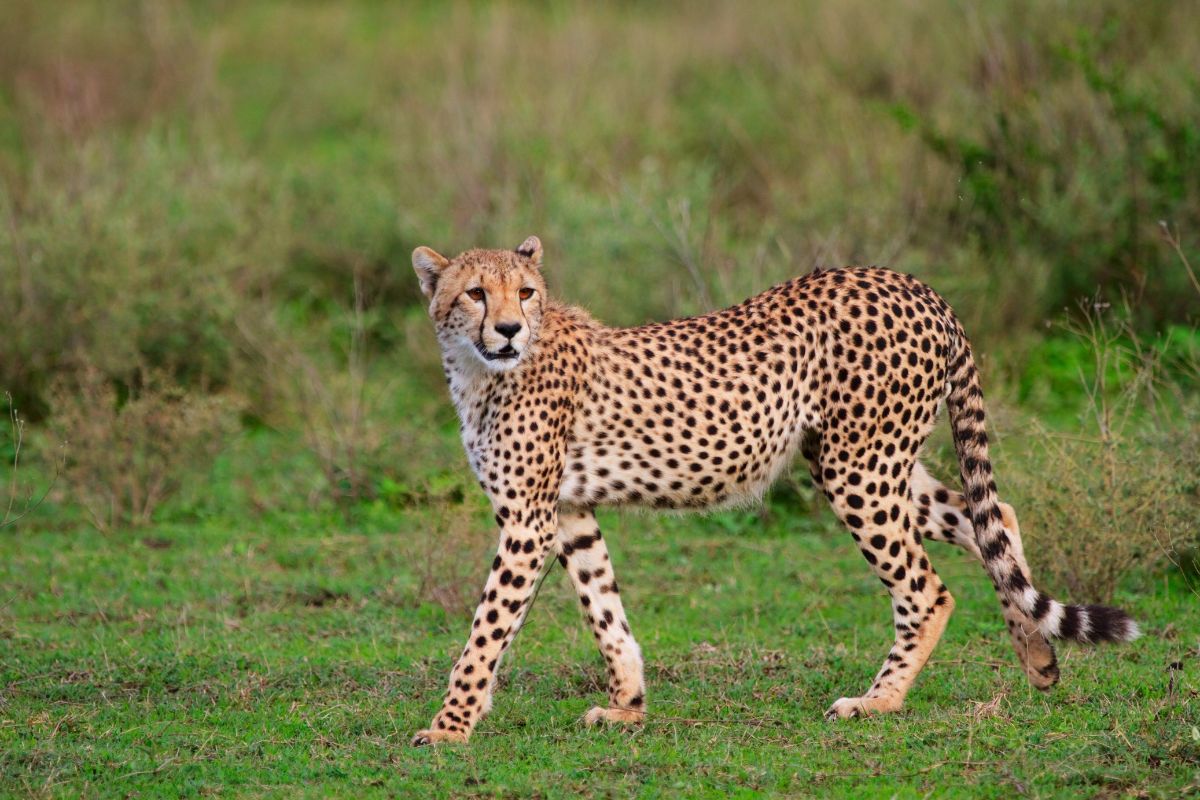
Cheetahs
Then there are cheetahs.
They look completely different from tigers, but they are another member of the big-cat family and are famous for speed rather than brute strength.
So Africa certainly doesn’t need tigers to have an impressive big-cat lineup.
Then Where Do Tigers Actually Live?
If you’re hoping to see a tiger in the wild, you’ll need to travel to Asia.
The tiger’s present wild range includes countries such as:
- India
- Nepal
- Bhutan
- Bangladesh
- Russia
- China
- Thailand
- Malaysia
- Indonesia
The exact distribution varies between tiger populations, and some historic populations have disappeared entirely. WWF currently describes the tiger as a species whose remaining wild populations are found across Asia.
India, in particular, is one of the most important destinations for wild tiger viewing.
So if someone tells you they’re going on a tiger safari, don’t automatically assume they’re heading to Africa.
They might be heading to India instead.
Could You See a Tiger in Africa at All?
Tigers can be kept in captivity outside their natural range, including in zoos and other facilities.
That is very different from seeing a wild tiger in its natural habitat.
The distinction matters because when we talk about wildlife safaris, we’re talking about animals living within their natural ecosystems.
A wild tiger in Africa would not be a normal safari sighting.
And if you ever see a photograph online claiming to show a wild tiger wandering around an African national park, it’s worth checking the story behind the image before believing it.
What About Zoos and Wildlife Facilities?
This is where many people’s confusion comes from.
You can encounter tigers in captivity in countries far outside their native range.
There are captive tiger populations in different parts of the world, and some facilities keep tigers for conservation, education or other purposes. However, captive tigers should not be confused with wild populations.
The conservation story is particularly important.
Wild tigers remain an endangered species, and conservation organisations continue to focus on protecting their habitat, reducing poaching and supporting tiger populations in their native range.
So, What Big Cats Can You Actually See on an East African Safari?
Now we’re getting to the exciting part.
If you’re travelling to East Africa, you don’t need tigers to have an incredible big-cat experience.
In Uganda
Depending on where you travel, you may encounter lions, leopards and cheetahs, with wildlife experiences varying between destinations.
In places such as Queen Elizabeth National Park and Murchison Falls National Park, your safari can include encounters with some of Africa’s most iconic predators.
And then there is something completely different:
the mountain gorilla.
Not a big cat, obviously.
But definitely one of the most extraordinary wildlife encounters you can have in Africa.
In Kenya
Kenya offers some of East Africa’s best-known opportunities for seeing lions, cheetahs and leopards.
The Maasai Mara is particularly famous for its predator-rich landscapes.
And if you’re travelling during the right season, the Great Migration adds another incredible layer to the experience.
In Tanzania
Tanzania is another major destination for big-cat encounters.
The Serengeti is famous for its huge wildlife populations and predator-prey interactions, while the Ngorongoro ecosystem offers another remarkable setting for wildlife viewing.
In Rwanda
Rwanda might be best known for mountain gorillas, but that’s not the whole story.
Akagera National Park offers a very different safari experience, with savannah landscapes and wildlife including lions and leopards.
So while there are no wild tigers, East Africa certainly isn’t short of predators.
But Wait… Are Lions and Tigers Related?
Yes.
This is another reason people sometimes assume they should find tigers in Africa.
Lions and tigers both belong to the Panthera genus.
They’re close relatives, but they’re different species with different natural ranges.
And there is one fascinating difference between them that surprises many people:
Tigers are generally solitary animals, while lions are famous for living in social groups called prides.
Tigers typically hunt alone and are highly territorial.
Lions, on the other hand, have evolved a much more social lifestyle.
So even though they’re both enormous predators, watching a tiger in Asia and watching a lion pride in East Africa are very different wildlife experiences.
What About the Famous “Tiger Safari”?
If you’ve seen videos of people sitting quietly in a safari vehicle waiting for a tiger to emerge from tall grass, that’s most likely happening in Asia.
Tiger safaris are particularly associated with protected areas in India and other parts of the tiger’s natural range.
African safari and tiger safari are therefore two very different experiences.
African safari = lions, leopards, cheetahs, elephants, giraffes, rhinos, buffalo and much more.
Asian tiger safari = tigers, along with the other wildlife found in those ecosystems.
Both are incredible.
They’re just different.
Would a Tiger Ever Naturally Wander Into East Africa?
Under today’s natural distribution, no.
There is no established wild tiger population in East Africa.
Tigers haven’t simply been “hiding” somewhere in the forests of Uganda waiting for someone to discover them.
Their wild populations belong to Asian ecosystems.
And that’s actually part of what makes a safari interesting.
Every destination has its own wildlife story.
You travel to Africa to experience African ecosystems.
You travel to India, Nepal or other tiger-range countries to experience tiger landscapes.
The Big Cat You Should Actually Be Looking For in East Africa
If you’re planning an East African safari and you’re hoping to see a large predator, don’t worry.
You have plenty to look forward to.
You could be watching a lion pride at sunrise.
You might spot a leopard disappearing into the grass.
You could watch cheetahs scanning the plains.
Or you might find yourself completely distracted by something much smaller a jackal, mongoose, serval or colourful bird you weren’t expecting to see.
That’s one of the things we love about safari.
You never completely control what you’re going to see.
And sometimes the animal you weren’t expecting becomes the highlight of the entire trip.
So… Are There Tigers in Africa?
Not in the wild.
Tigers are naturally an Asian species, and their remaining wild populations are found across parts of Asia.
Africa has its own incredible big cats—especially lions, leopards and cheetahs—and each one offers a completely different safari experience.
So if you’re heading to Uganda, Rwanda, Kenya or Tanzania, don’t put “spot a tiger” on your safari checklist.
Put lion, leopard and cheetah instead.
And leave the tigers to Asia.
Planning an East African Safari?
If you’re not sure which East African destination gives you the wildlife experience you’re looking for, that’s something we can help with.
At Traford Safaris, we help travellers plan tailor-made journeys across Uganda, Rwanda, Kenya and Tanzania based on the wildlife they want to see, how much time they have and the kind of experience they want.
Maybe you want gorillas.
Maybe you’re dreaming about lions.
Maybe it’s the Great Migration.
Or maybe you simply want to sit quietly in the bush and see what appears.
Tell us what you’re hoping to experience, and we’ll help you build the safari around it.