
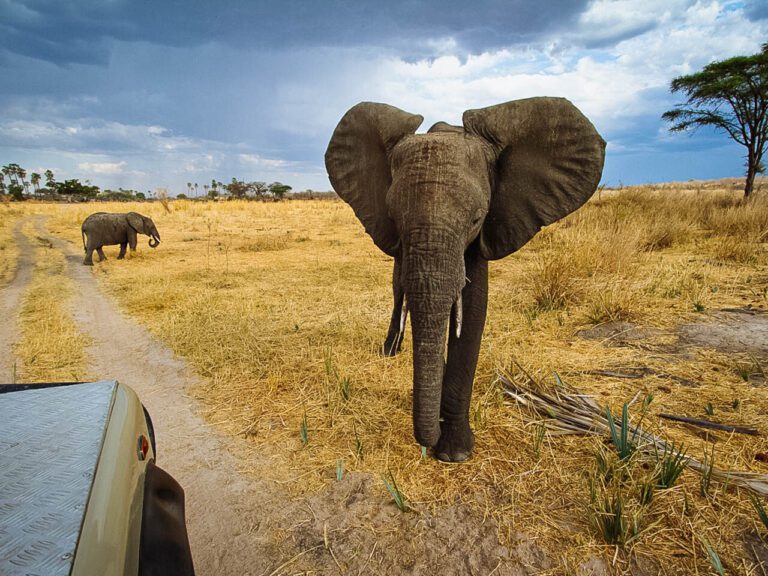
Amboseli National Park
Visit Amboseli National Park in Kenya for big-tusked elephants, Kilimanjaro views, Observation Hill and Maasai culture. Lodges and best time to go.
Park guide
Tsavo East National Park is part of Tsavo, one of the largest protected areas in Africa. Wide, open plains stretch to the horizon, and elephants here are famous for their red colour, which comes from dusting themselves with the park’s red soil.
Because it lies between Nairobi and Mombasa, Tsavo East is easy to combine with a beach holiday on the Kenyan coast.
Game drives along the Galana River reveal elephants, lions, buffalo, giraffes, zebras, fringe-eared oryx and lesser kudu. The river’s Lugard Falls rush through water-carved rock, while Aruba Dam attracts animals in the dry season. The Yatta Plateau, one of the world’s longest lava flows, runs along the park’s edge. Tsavo is also known for the “man-eaters of Tsavo”, the lions that stalked railway workers in 1898.
Tsavo East National Park covers a vast area of south-east Kenya, east of the Nairobi–Mombasa highway. It is larger than Tsavo West, and much of its northern section is remote and rarely visited. Most safaris therefore focus on the southern half of the park, south of the Galana River.
From Mombasa or Diani, the drive to the park takes around two to four hours, depending on the gate and traffic. From Nairobi, the road journey is longer, so many travellers take the Madaraka Express to Voi, close to the main gate. In addition, guests staying near Malindi or Watamu can enter through the Sala gate in the east. Light aircraft can also use airstrips in the park for charter flights.
Tsavo East feels open and immense. Flat, dry bush stretches to the horizon, broken by rocky outcrops, seasonal rivers and the long ridge of the Yatta Plateau. Because the vegetation is lower than in Tsavo West, animals are often easier to spot.
Elephants are the stars, often walking in long red lines towards water. Lions and cheetahs hunt on the plains, while leopards hide in the riverine trees. You may also see buffalo, Maasai giraffes, Grant’s gazelles and gerenuk standing on their hind legs to browse. Tsavo East also holds a small population of hirola, one of the world’s rarest antelopes, which was moved here from north-eastern Kenya.
The long dry season, from June to October, is the classic time to visit. Water becomes scarce, so elephants and other animals gather at the dams, rivers and Mudanda Rock. January and February are also dry and hot, with good game viewing.
The main rains arrive from March to May, with shorter rains in November and December. Afterwards, the plains turn green and wildlife spreads out across the park. Although sightings can take more effort, the park is peaceful and the light is often clear after a storm.
Many guests visit Tsavo East as a short break from a beach holiday. Here is a typical two-day plan, which we adjust to your hotel and pace.
We pick you up early from your hotel in Mombasa or Diani. After entering the park, you drive slowly towards Aruba Dam, watching for elephants and lions on the way. Following lunch at your lodge or camp, an afternoon drive explores the Voi River area until sunset.
An early drive takes you north to Mudanda Rock and on to the Galana River. At Lugard Falls, you can walk a short path above the rapids. Later, you return to the coast in the afternoon, or continue to Tsavo West instead.
If you are short on time, a long day trip is also possible, although an overnight stay gives far better game viewing. See our day trips for shorter options.
For Classic safaris, we use comfortable lodges overlooking waterholes or the dam. Adventurer trips stay in simple tented camps near the gates, which keeps costs down. For Signature travellers, we often pair Tsavo East with more exclusive camps in neighbouring areas.
Tsavo East is managed by the Kenya Wildlife Service, so normal national park rules apply. Keep to the roads, leave no litter and get out of the vehicle only at signed sites such as Lugard Falls. In addition, drive slowly, because elephants often cross without warning.
Tsavo East is hot for most of the year. Carry plenty of water, wear a wide-brimmed hat and use high-factor sunscreen. Pale, loose clothing is cooler and less attractive to biting flies. Also, protect cameras and phones from the fine red dust with a sealed bag.
Few parks link so easily with the beach. Within a few hours, you can swap the red plains for the white sand of Diani, Watamu or Malindi; see our beach getaways. Alternatively, head inland to Tsavo West, the Taita Hills Wildlife Sanctuary or Amboseli.
The park also works well on a two-country trip. From the south coast, the Lunga Lunga border leads into north-eastern Tanzania, while the Taveta crossing near Tsavo West leads to Moshi and the northern circuit. To build your route, browse our Kenya safaris or request a tailor-made quote.
Tsavo East is also home to a wide variety of wildlife. For example, you may see lions, giraffes, buffaloes and a diverse range of antelope species. Numerous birds live here too, such as the elegant kori bustard and the striking Somali ostrich. Visitors to Tsavo East National Park can enjoy several activities that highlight its unique features. Game drives, for instance, explore the expansive landscapes and their diverse fauna. Along the way, guides share the story of the famous “Man-Eaters of Tsavo”, a pair of maneless lions that once terrorised the region.
The park’s natural wonders include the Yatta Plateau, one of the longest lava flows in the world. For a more immersive experience, you can also join guided walking safaris to see the flora and smaller wildlife up close.
In addition, Tsavo East offers picnic sites and scenic viewpoints where you can relax and take in its rugged beauty. As part of Kenya’s national parks, Tsavo East shows the country’s diverse landscapes and its commitment to wildlife conservation. As a result, it provides a captivating safari in a truly unique setting.
Tsavo’s elephants have a remarkable story. During the 1970s and 1980s, poaching for ivory hit the Tsavo herds very hard. Since then, stronger protection has helped numbers recover, and the wider Tsavo area now holds Kenya’s largest elephant population. Even so, rangers still patrol every day, because poaching and conflict with nearby farms remain real threats.
Orphaned elephants also have a place here. The Sheldrick Wildlife Trust runs a reintegration unit near Voi, where young elephants raised in Nairobi gradually return to the wild. Meanwhile, the hirola project gives one of Africa’s rarest antelopes a safer home. In short, Tsavo East is a working conservation landscape, not just a scenic park.
Tsavo East is ideal if you are already on the coast and want a real safari without a long journey. It also suits travellers who like big skies and quiet roads. However, if you want dense wildlife in a small area, the Masai Mara may suit you better.
Families often choose Tsavo East because it is close to the beach resorts. For example, an overnight trip gives children a taste of safari without too many hours in the car. Lodges with waterholes are also a hit, since animals come to drink while you eat. Nevertheless, the heat can be tiring, so we plan drives for the cooler early mornings and late afternoons.
Neither is better; they are simply different. Tsavo East is flatter and more open, so animals are often easier to see. Tsavo West, by contrast, has hills, springs and lava flows. Many guests therefore visit both on one trip.
Yes, a long day trip from the coast is possible. However, an overnight stay gives you the best light and far more time with the wildlife.
The elephants spray and roll in the red soil to protect their skin from sun and insects. As a result, they take on the colour of the earth.
The dry months from June to October are best, because animals gather at water. Then early morning and late afternoon give the warmest light on the red plains.
Every Traford safari comes in three styles: Signature (luxury), Classic (mid-range) and Adventurer (budget). These are the options we recommend most often; final choices depend on your dates and availability.
Keep exploring
Visit Amboseli National Park in Kenya for big-tusked elephants, Kilimanjaro views, Observation Hill and Maasai culture. Lodges and best time to go.
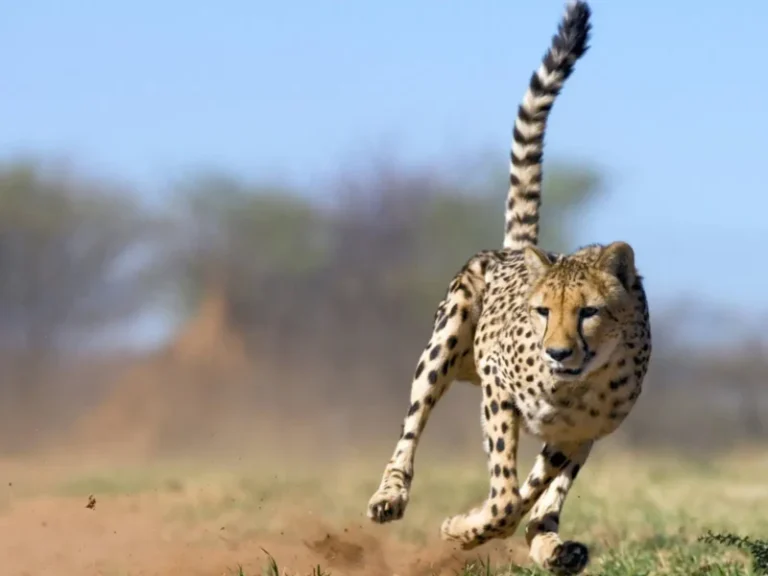
Cycle among zebras and giraffes in Hell’s Gate National Park, Kenya, hike the dramatic gorge, see Fischer’s Tower and relax at Naivasha.
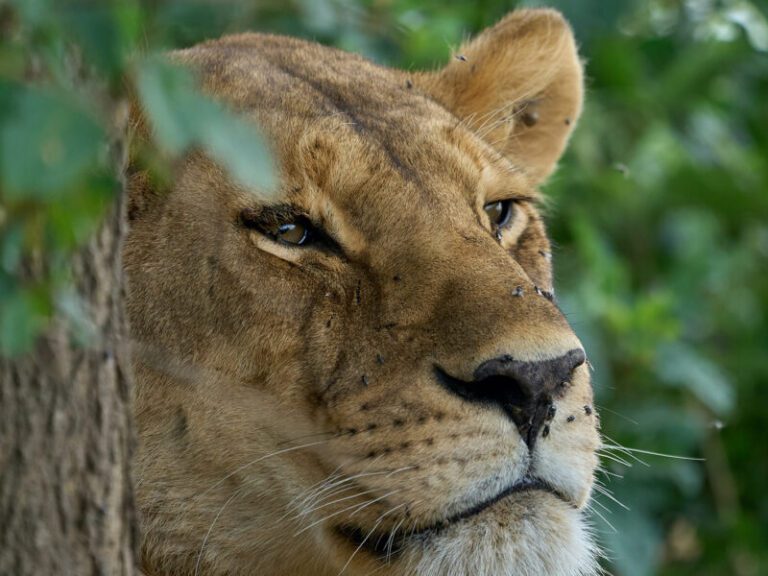
Visit Lake Naivasha in Kenya: hippo boat rides, walking safaris on Crescent Island, fish eagles and nearby Hell’s Gate, just two hours from Nairobi.
Safari packages
Itineraries that can include this destination. Every trip can be adjusted to your dates and budget.
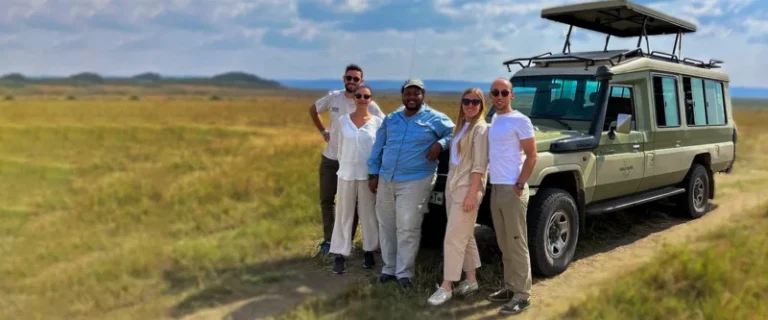
A mid-range 7-day Kenya safari through Amboseli, Lake Naivasha, Lake Nakuru and the Masai Mara National Reserve.
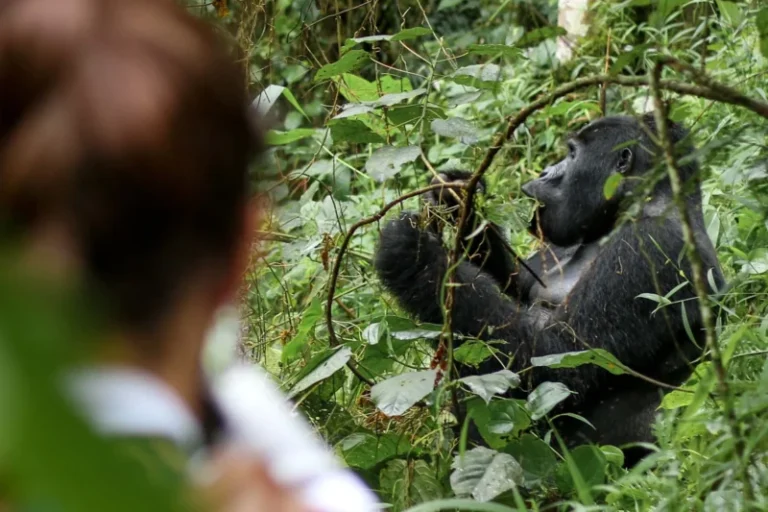
Start in Nairobi with Masai Mara game drives, then continue to Uganda to trek mountain gorillas in Bwindi on this 6-day Kenya and Uganda tour.
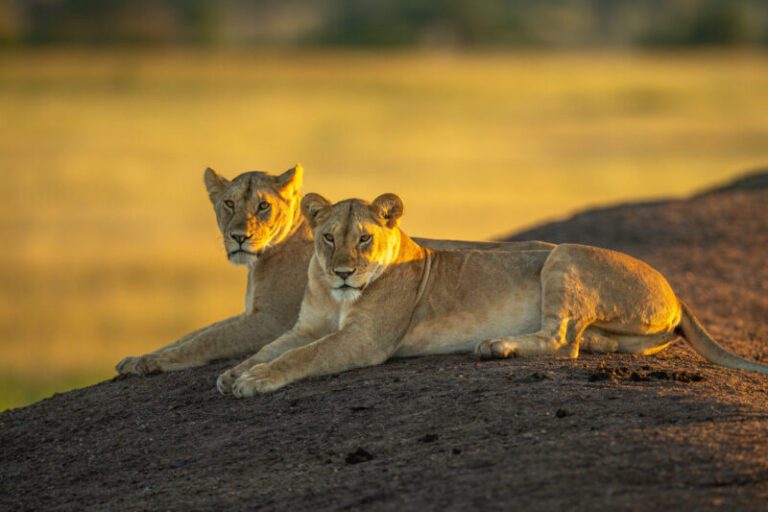
Eight days of luxury in Kenya: Amboseli’s elephants, the Rift Valley lakes, Ol Pejeta’s rhinos and the Masai Mara.
We use cookies to understand how visitors use our website so we can keep improving it. You can accept or decline analytics cookies. Read our Privacy & Cookie Policy.
Gorilla Trekking, Wildlife Tours & Cultural Experiences.