
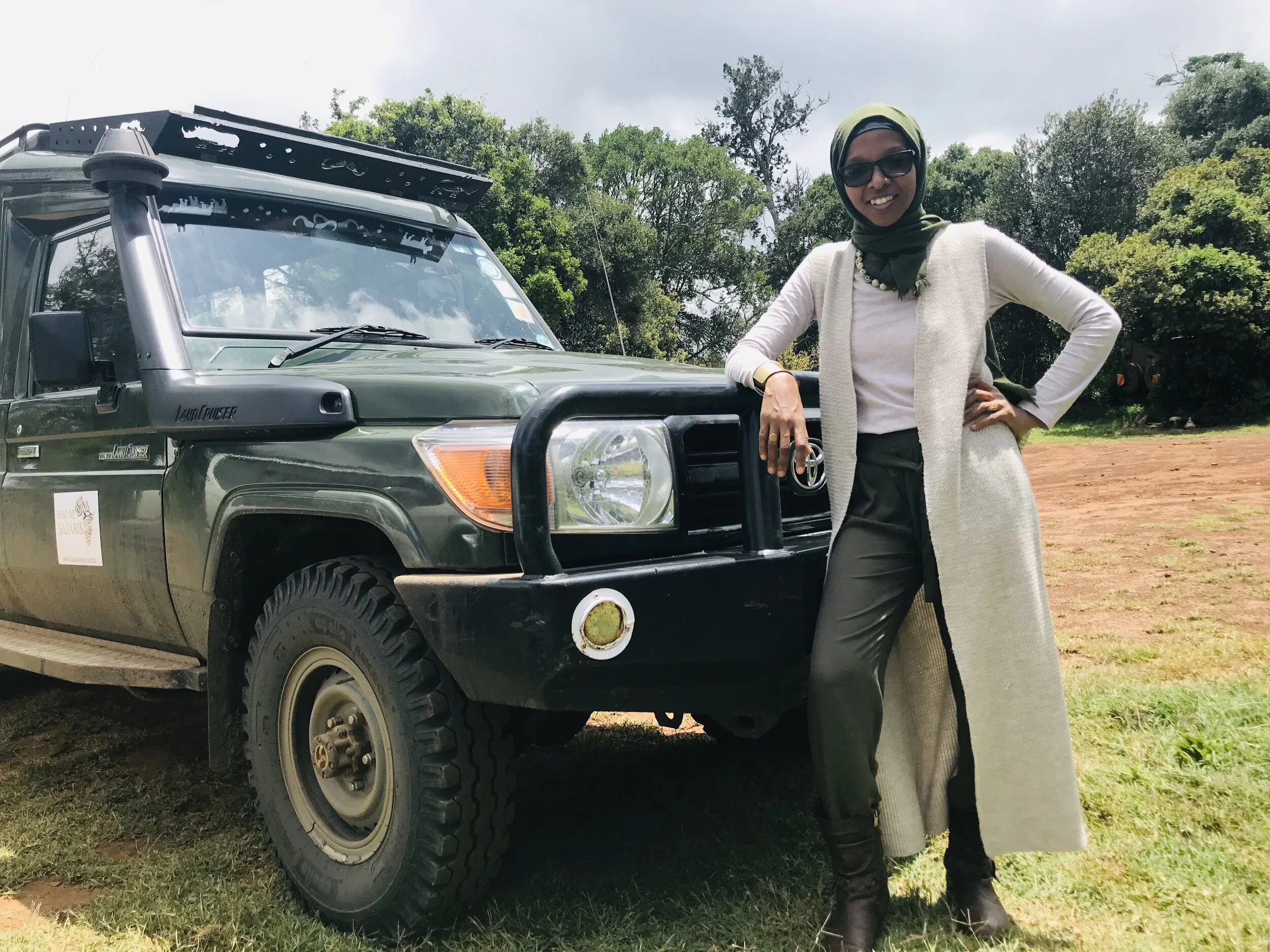
East Africa is home to some of the world’s most iconic safari destinations Serengeti, Maasai Mara, Murchison Falls, and Volcanoes National Park. But one question many Muslim travelers ask is:
“Can I enjoy a safari while still observing halal requirements?”
The answer is yes, and this guide explains exactly how halal-friendly safari travel works in East Africa, what to expect, and practical steps to prepare.
1. Halal Meals on Safari: Clear Guidance
Food is one of the most important concerns for Muslim travelers, especially when visiting remote wildlife areas where supplies are limited.
How Lodges Provide Halal Meals
Most lodges in Kenya, Uganda, Rwanda, and Tanzania can accommodate halal requests if informed in advance. Here’s how they handle it:
-
Certified Halal Meat: Available mainly in major towns (Nairobi, Mombasa, Kampala, Arusha, Dar es Salaam).
-
Special Handling: Lodges can prepare meals using separate utensils or dedicated cooking areas upon request.
-
Menu Adjustments: If halal meat is unavailable, they offer seafood, vegetarian, or vegan meals.
Why Advance Notice is Necessary
Safari lodges are often located far from markets. Supplying halal meat requires:
-
Transporting certified meat from major cities
-
Ensuring proper storage
-
Adjusting kitchen procedures
For this reason, halal dietary requests should be made at least 7–14 days before arrival.
Typical Halal-Friendly Options on Safari
-
Grilled fish or seafood
-
Rice and vegetable dishes
-
Lentils, beans, chapati, ugali
-
Fresh fruit
-
Eggs and breakfast cereals
-
Vegetarian stews
If certified halal meat is available, lodges can prepare:
-
Chicken biryani
-
Grilled beef or chicken
-
Stir-fries
-
BBQ-style dinners
2. Prayer Times, Qibla Direction & Facilities
Muslim travelers can easily observe salah during a safari with proper planning.
Prayer Times in East Africa
All East African countries follow GMT+3.
Prayer times are easy to track using:
-
Muslim Pro
-
Athan app
-
Local mosque websites (in major towns)
Qibla Direction
If your room does not display a Qibla arrow, you can use:
-
Mobile Qibla apps
-
A travel-sized compass
-
Guidance from lodge staff
Most lodges have open, quiet spaces where guests can pray privately.
Wudu Considerations
Safari camps use varying water systems:
-
Running water in mid-range and luxury lodges
-
Bucket showers in some budget camps
Travelers can:
-
Request extra water for wudu
-
Use a small spray bottle for convenience during game drives
-
Perform tayammum when necessary
Your guide can also stop the safari vehicle to allow you to pray during long drives.
3. Privacy, Modesty & Comfort Considerations
Modesty is highly respected in East African cultures, so arranging privacy is easy with the right operator.
Private Safari Vehicles
A private vehicle provides:
-
Freedom to stop for prayer
-
Flexible scheduling
-
Comfortable space for families
-
No sharing with strangers
Most Muslim travelers prefer this option, especially couples and families.

Accommodation Privacy
If privacy is a priority, request:
-
Cottages or tents with private verandas
-
Ensuite bathrooms
-
Secluded rooms away from bar areas
-
Private dining setup (available at most luxury lodges)
Female Safari Guides
Female guides can be arranged in many safari destinations, especially:
-
Kenya
-
Tanzania
-
Rwanda
Availability varies, so request early.
4. Alcohol Policies at Safari Lodges
Most safari lodges serve alcohol because they cater to an international market. However, Muslim-friendly accommodation options are available.
Options for Muslim Travelers
-
Lodges where alcohol is not the main focus
-
Properties with separate bar and dining areas
-
Small boutique camps with no bar at all
-
Coastal hotels (Zanzibar, Mombasa) that are alcohol-free or alcohol-limited
If you prefer an environment with minimal or no alcohol, your operator can filter properties for you.
5. Destinations That Are Naturally Muslim-Friendly
Some areas in East Africa have strong Muslim communities, making them very convenient for halal needs.
1. Zanzibar (Tanzania)
-
95% Muslim population
-
Widely available halal food
-
Mosques in every village
-
Alcohol-free or alcohol-limited hotels
-
Strong Islamic Swahili culture
Perfect for combining beach relaxation with halal dining.
2. Mombasa & Kenyan Coast
-
One of Kenya’s oldest Muslim-majority regions
-
Halal restaurants, seafood stalls, and Swahili cuisine
-
Several beachfront resorts cater specifically to Muslim families
-
Easy access to mosques
Safari + beach holidays work very well here.
3. Kampala & Eastern Uganda
Uganda has a significant Muslim population:
-
Many halal restaurants
-
Mosques across the city
-
Halal-certified meat available
From Kampala, travelers can access Murchison Falls, Queen Elizabeth National Park, and Lake Mburo.
4. Arusha, Moshi & Northern Tanzania
The main starting point for most safaris:
-
Halal food widely available
-
Several mosques across both towns
-
Muslim-owned lodges in some areas
Ideal for Serengeti, Ngorongoro, and Tarangire safaris.
5. Kigali (Rwanda)
While Muslims are a minority, Rwanda is highly organized:
-
Halal meat is available in Kigali
-
Mosques in key districts like Nyamirambo
-
Lodges can accommodate halal requests with advance notice
Practical Tips for a Smooth Halal Safari
Before Traveling
✔ Inform your tour operator about halal requirements early.
✔ Request halal-certified meat or vegetarian/seafood alternatives.
✔ Ask for a private safari vehicle.
✔ Confirm the alcohol policy of your lodge.
✔ Pack a small prayer mat and a Qibla compass or app.
During the Safari
✔ Communicate your preferred prayer times.
✔ Ask your guide for brief prayer stops when needed.
✔ Request meal time adjustments (especially during Ramadan).
✔ Use apps for accurate Qibla direction and prayer notifications.
Final Thoughts
A halal-friendly safari in East Africa is entirely possible with proper planning. Whether you want a wildlife-focused itinerary, a halal beach holiday, or a combination of both, East Africa provides:
-
Flexible food options
-
Respect for prayer needs
-
Privacy and comfort
-
Several Muslim-majority destinations
With the support of an experienced tour operator, Muslim travelers can enjoy a safari without compromising their religious values.