
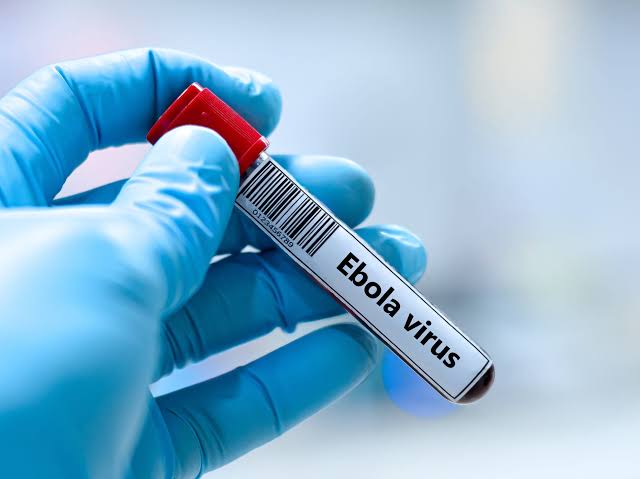
East Africa’s tourism industry has faced many challenges over the years, from global pandemics to regional disease outbreaks. In June 2026, travelers planning a safari in Uganda may have questions about the current Ebola situation and what it means for their travel plans.
East Africa’s tourism industry has faced many challenges over the years, from global pandemics to regional disease outbreaks. In June 2026, travelers planning a safari in Uganda may have questions about the current Ebola situation and what it means for their travel plans. The encouraging news is that no new Ebola cases have been registered in the past 10 days, a positive sign that containment measures are working effectively. Uganda remains open for tourism, national parks are operating normally, and health authorities continue to maintain robust surveillance and response systems across the country.
The good news is that Uganda remains open for tourism, national parks are operating normally, and health authorities have extensive experience managing and containing disease outbreaks.
Understanding the Current Situation
The current Ebola outbreak affecting the region is caused by the Bundibugyo strain of the Ebola virus, a relatively rare variant first identified in western Uganda in 2007. The outbreak was initially confirmed in neighboring Democratic Republic of Congo (DRC) in May 2026 before a small number of linked cases were reported in Uganda. Health authorities in both countries have intensified surveillance, contact tracing, screening, and public awareness campaigns.
According to the World Health Organization (WHO), the outbreak is primarily concentrated in affected areas of eastern DRC, with cross-border monitoring being a major focus of response efforts. Uganda’s health system has activated preparedness measures, particularly in border districts and major entry points.
Is It Safe to Travel to Uganda?
For most visitors, the answer remains yes.
Uganda’s major tourism destinations including Bwindi Impenetrable National Park, Murchison Falls National Park, Queen Elizabeth National Park, Kibale National Park, and Kidepo Valley National Park remain open and continue to receive visitors.
Tourism activities such as gorilla trekking, chimpanzee tracking, game drives, boat cruises, birdwatching, and cultural experiences are continuing as scheduled. The Uganda Wildlife Authority, tourism operators, and accommodation providers continue to work closely with health authorities to ensure visitor safety.
Travelers should note that Uganda has successfully managed several previous Ebola outbreaks and has developed strong surveillance and response systems over the years. The country’s experience with outbreak management is considered among the strongest in Africa.
What Measures Are in Place?
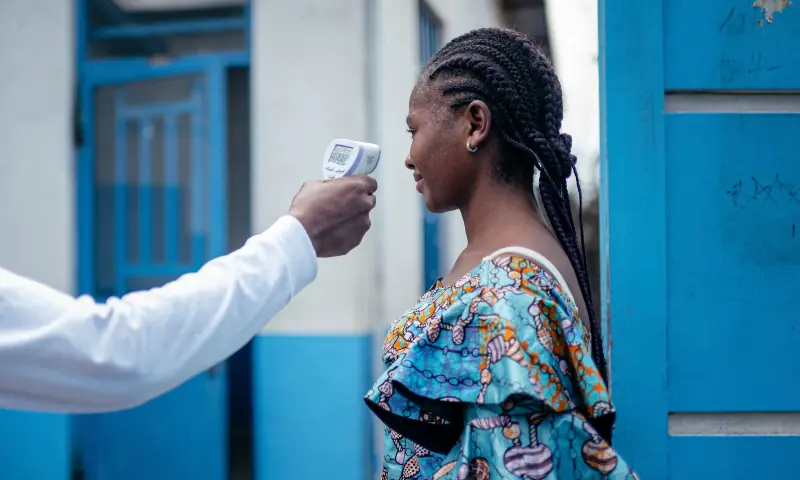
Visitors arriving in Uganda may encounter several health screening procedures, including:
- Temperature screening at airports and border crossings.
- Health declaration requirements where applicable.
- Increased monitoring in high-risk border districts.
- Enhanced infection prevention protocols in health facilities.
- Public health awareness campaigns in communities and tourism hubs.
These measures are designed to identify potential cases quickly and prevent wider transmission.
What Travelers Should Do
If you are planning a safari in Uganda, consider the following recommendations:
1. Stay Informed
Follow updates from the Uganda Ministry of Health, WHO, and your tour operator before and during your trip.
2. Practice Good Hygiene
Regular handwashing remains one of the most effective ways to reduce the risk of many infectious diseases.
3. Follow Health Guidance
If screening procedures are in place at airports, lodges, or attractions, cooperate fully with health officials.
4. Purchase Comprehensive Travel Insurance
Travel insurance that includes medical coverage and trip interruption protection is always advisable.
5. Travel with Reputable Operators
Established safari companies maintain close communication with local authorities and can provide timely updates should circumstances change.
Why Uganda Remains a Safe Safari Destination
Uganda continues to offer some of Africa’s most extraordinary wildlife experiences. Gorilla trekking in Bwindi, chimpanzee tracking in Kibale, the tree-climbing lions of Queen Elizabeth National Park, and the spectacular wildlife of Murchison Falls remain among the continent’s premier attractions.
Importantly, most safari activities take place in open natural environments, often far from densely populated urban centers. Tourism operators have long-established safety protocols and are accustomed to adapting to changing circumstances.
Looking Ahead
Health experts continue to monitor the situation closely. International organizations, including WHO, Africa CDC, and various global partners, have increased support for surveillance, diagnostics, and response activities in both Uganda and DRC. Additional funding and resources are being mobilized to strengthen containment efforts.
While travelers should remain informed, there is currently no reason to cancel a well-planned safari to Uganda solely because of the ongoing regional Ebola situation. As always, staying informed and following official health guidance remains the best approach.
Final Thoughts
Uganda remains one of Africa’s most rewarding safari destinations. The country’s tourism industry continues to operate normally while health authorities maintain vigilance against potential disease threats. For visitors, the key is to stay informed, travel responsibly, and rely on trusted safari operators who can provide accurate, up-to-date information.
As of 16 June 2026, Uganda’s national parks remain open, wildlife experiences continue uninterrupted, and authorities remain committed to protecting both residents and visitors while responding to the regional Ebola outbreak.