
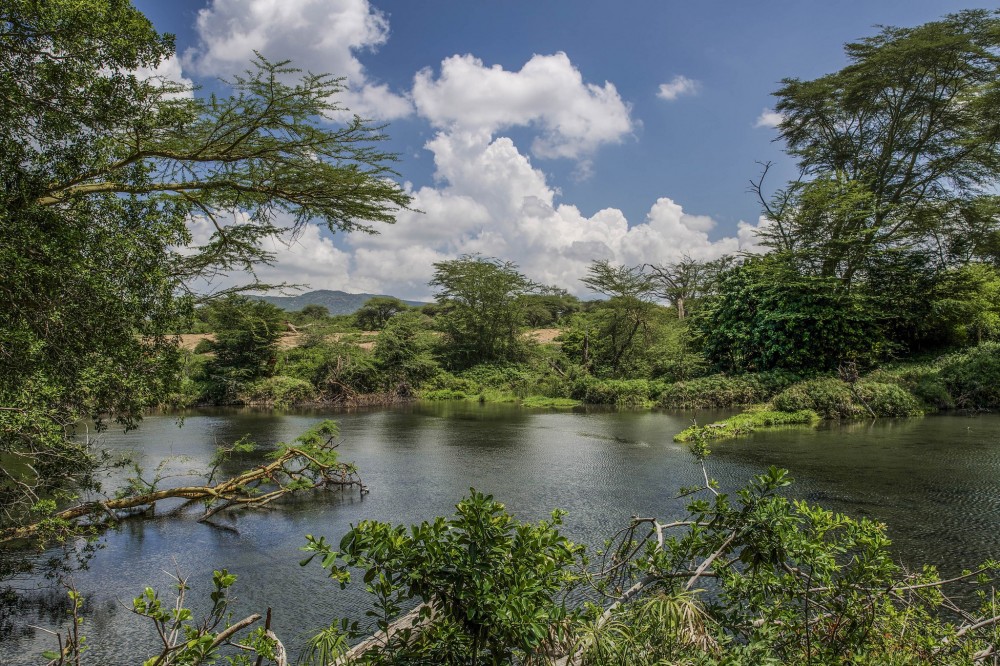
Kenya is famous for the Great Migration, the Big Five, and its stunning coastline. However, beyond its wildlife and beautiful landscapes lies a rich cultural heritage filled with sacred forests, legendary rocks, ancient shrines, and spiritual traditions.
For centuries, communities across Kenya have protected places they consider sacred. Some of these sites are linked to creation stories and ancestral spirits. Others have served as places of worship, traditional ceremonies, and community gatherings for generations.
For travelers seeking experiences beyond game drives, these destinations offer an opportunity to explore the spiritual and cultural heart of Kenya.
At Traford Safaris, we encourage our guests to combine wildlife adventures with cultural experiences. Here are some of Kenya’s most fascinating sacred destinations.
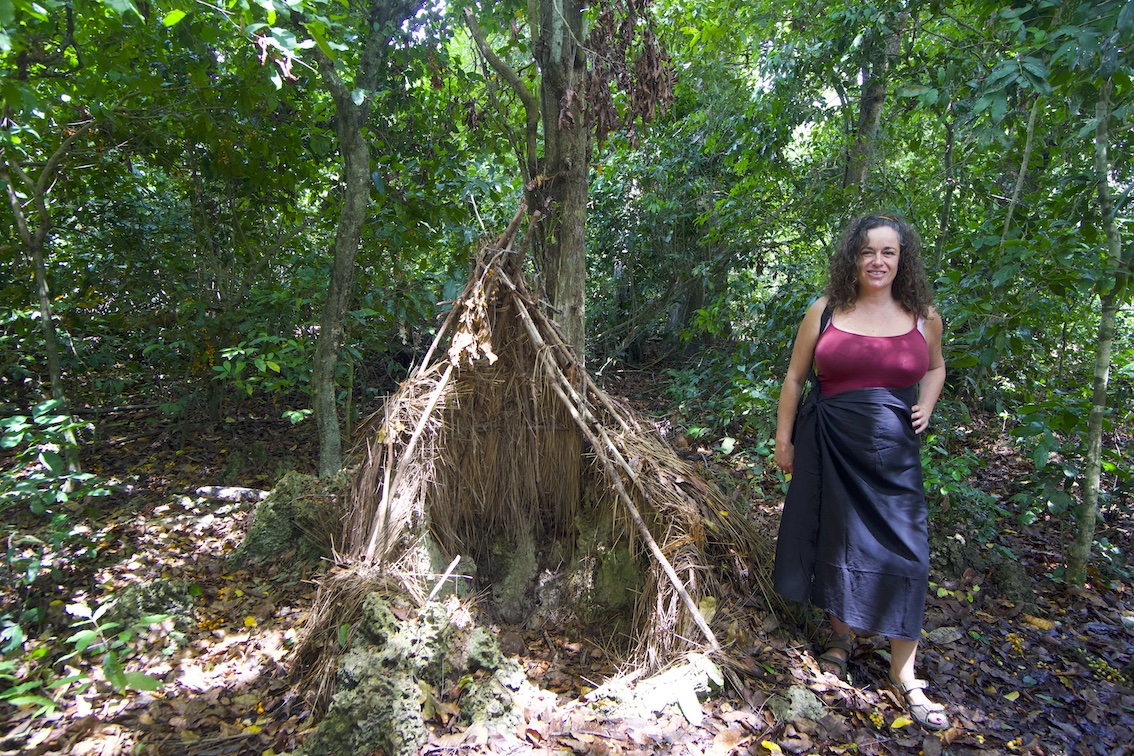
1. The Kaya Forests – Kenya’s Sacred Coastal Forests
The Kaya Forests are among Kenya’s most important cultural landscapes and a UNESCO World Heritage Site.
The Mijikenda people regard these forests as sacred places where their ancestors once lived. For centuries, the forests have served as places of prayer, initiation ceremonies, and traditional rituals.
Even today, local elders conduct ceremonies in some of the forests and continue to protect them from destruction.
Besides their cultural significance, the forests also support a rich variety of birds, butterflies, and medicinal plants.
2. Kit Mikayi – The Sacred Rock of the Luo People
Located near Kisumu, Kit Mikayi is one of Kenya’s most famous sacred sites.
The name means “The Stone of the First Wife” in the Luo language. According to local legend, an elderly man loved spending time near the rock so much that his family compared it to a beloved first wife.
Over time, the rock became a place of prayer and spiritual significance.
Today, many people visit Kit Mikayi to seek blessings, offer prayers, and learn about Luo traditions and beliefs.

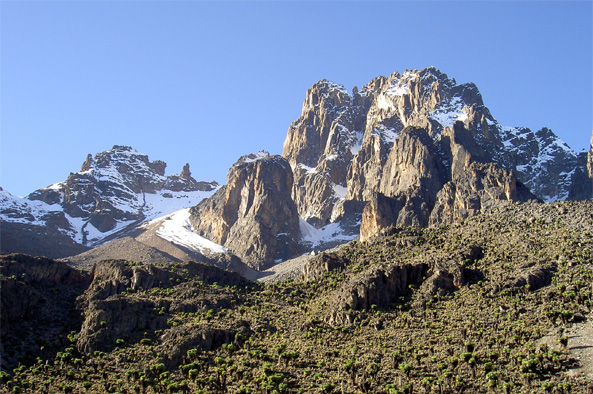
3. Mount Kenya – The Sacred Mountain of the Kikuyu People
Mount Kenya is not only Africa’s second-highest mountain but also one of Kenya’s most sacred places.
According to Kikuyu tradition, God, known as Ngai, lives on the mountain. For this reason, many traditional homes once faced Mount Kenya so that families could pray toward the sacred peak.
The mountain continues to hold great spiritual importance for the Kikuyu community.
Furthermore, its forests, waterfalls, and alpine landscapes make it one of Kenya’s most spectacular destinations.
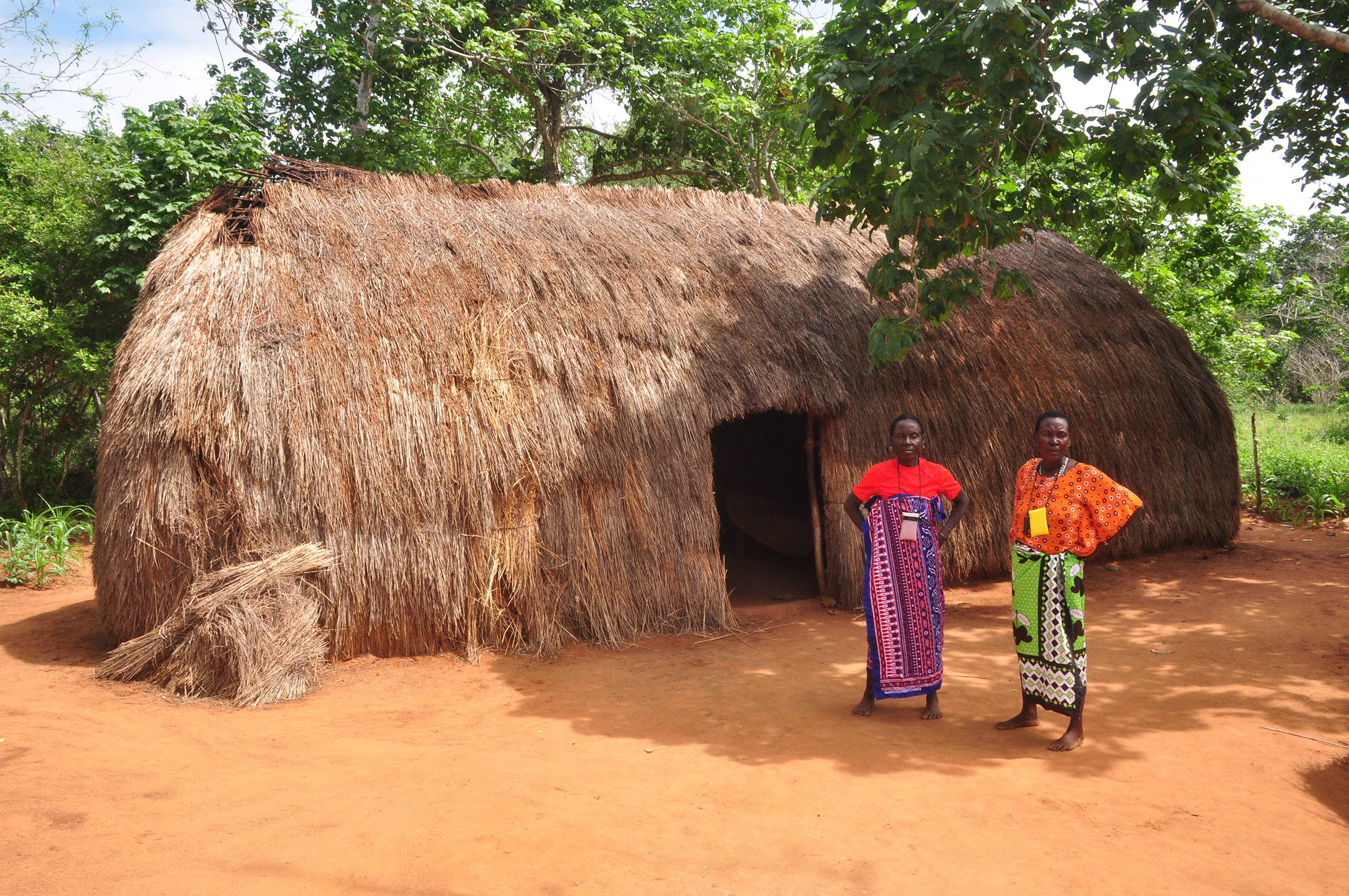
4. Mijikenda Sacred Shrines – Living Cultural Heritage
Throughout Kenya’s coast, several sacred shrines continue to play an important role in traditional ceremonies.
Many communities still visit these sites during times of celebration, prayer, and remembrance. Traditional healers and elders often lead rituals that have survived for generations.
These shrines offer visitors a rare opportunity to witness living cultural traditions that remain deeply respected today.
5. The Sacred Fig Trees of the Kikuyu
The Mugumo, or sacred fig tree, holds a special place in Kikuyu culture.
For centuries, communities have conducted prayers and ceremonies beneath these enormous trees. According to tradition, the trees act as places where people communicate with God and honor their ancestors.
Many of these trees still stand today and continue to serve as important cultural landmarks.
Visiting one of these sacred trees offers a fascinating glimpse into Kenya’s traditional spiritual practices.
6. Rabai Sacred Forest
is another important cultural destination along the Kenyan coast.
The forest has long served as a place of worship and community gatherings. Local traditions and stories continue to surround the site, making it an important part of the region’s cultural identity.
The forest also provides excellent opportunities for nature walks and birdwatching.
7. The Crying Stone of Ilesi – A Geological Wonder Wrapped in Legend
Near Kakamega stands one of the country’s most unusual natural attractions, the Crying Stone of Ilesi.
The massive rock appears to “cry” because water continuously trickles down its surface.
Local communities associate the stone with various legends and prophecies. Some believe it warns of major events or difficult times.
Today, the site attracts visitors interested in both its geological uniqueness and its cultural significance.
8. Sacred Sites of the Maasai
The Maasai people have long regarded certain hills, trees, and natural features as sacred.
Traditional ceremonies often take place in these locations, especially during rites of passage and community celebrations.
Visitors who participate in authentic Maasai cultural experiences can learn about these traditions and discover how the Maasai maintain a deep spiritual connection with nature.
9. Mzima Springs – A Place of Natural and Spiritual Importance
Located within Tsavo West National Park, Mzima Springs is famous for its crystal-clear waters and abundant wildlife.
However, local communities have also regarded the springs as sacred for generations. The water symbolizes life and has played an important role in traditional beliefs and stories.
Today, the springs remain one of Kenya’s most beautiful and culturally significant natural attractions.

Why Include Cultural Sites on Your Kenya Safari?
A safari in Kenya offers much more than wildlife encounters.
Sacred cultural destinations allow travelers to:
- Learn about Kenya’s diverse communities and traditions.
- Discover ancient legends and spiritual beliefs.
- Visit places that many tourists overlook.
- Experience authentic cultural interactions.
- Gain a deeper appreciation of Kenya’s rich heritage.
At Traford Safaris, we believe that the most memorable journeys combine wildlife, history, and culture.
Final Thoughts
Kenya’s sacred destinations tell stories of ancestral spirits, ancient kingdoms, and enduring traditions. These places continue to shape the identity of communities across the country.
Whether you stand beneath a sacred fig tree, explore the mysterious Kit Mikayi rock, or admire the majestic slopes of Mount Kenya, you will discover a side of Kenya that goes far beyond the traditional safari experience.
Therefore, when planning your next adventure with Traford Safaris, consider adding one or more of these remarkable cultural sites to your itinerary. You will leave not only with incredible photographs but also with a deeper understanding of Kenya’s spiritual and cultural heritage.