
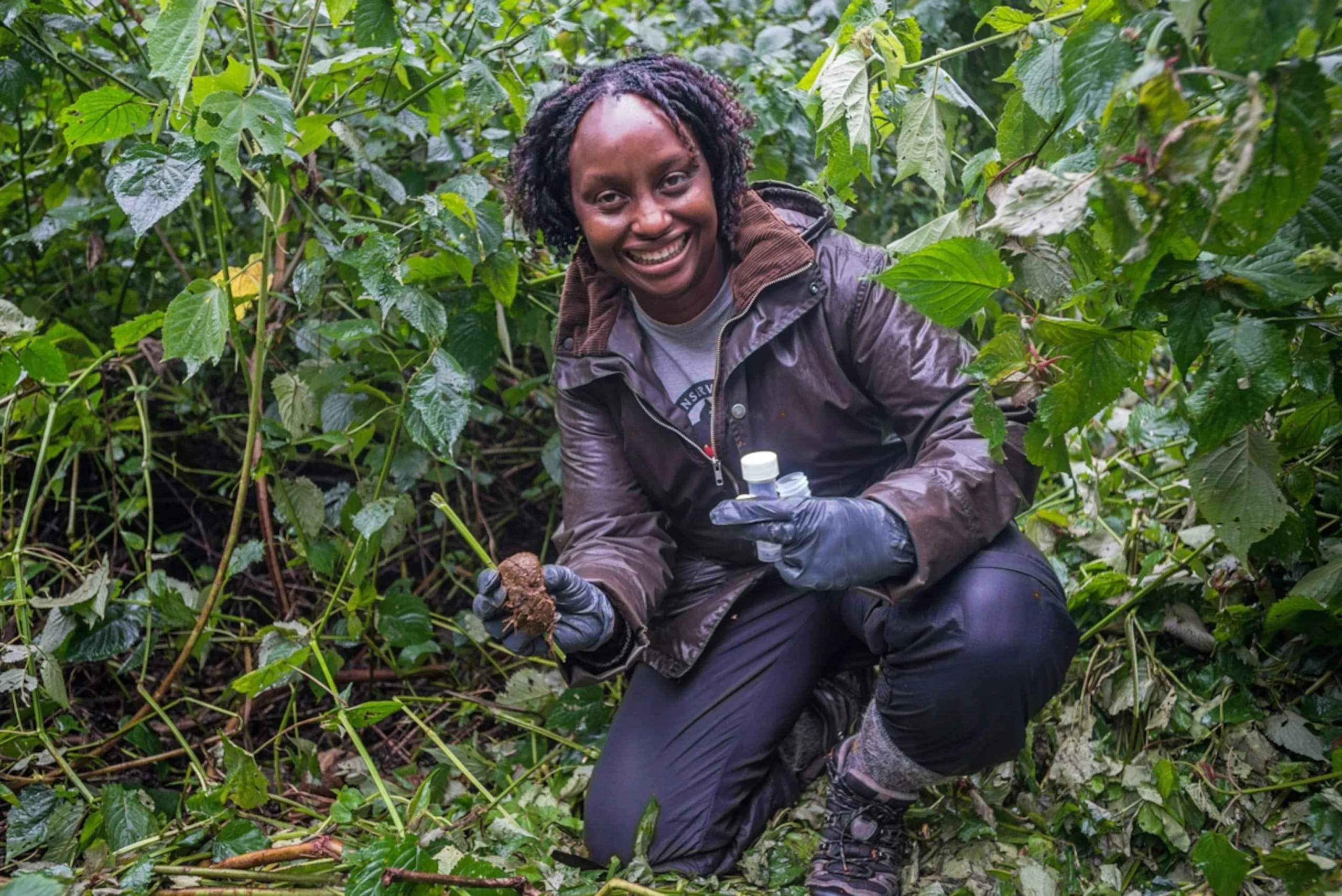
When discussing mountain gorilla conservation, names like Dian Fossey often dominate the conversation. Yet one of the most influential conservationists working today is a Ugandan whose efforts have transformed both wildlife conservation and community health.
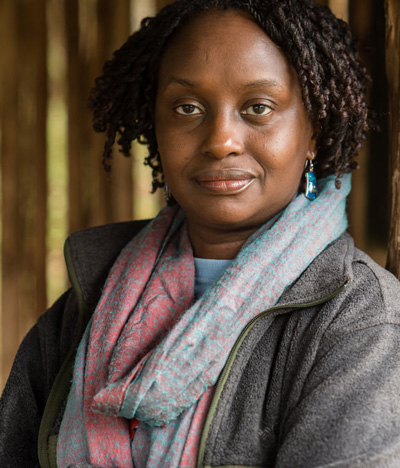
Dr. Gladys Kalema-Zikusoka is widely recognized as one of Africa’s leading conservationists. As Uganda’s first wildlife veterinarian and the founder of Conservation Through Public Health (CTPH), she has dedicated her career to protecting mountain gorillas while improving the lives of people living alongside them.
Her innovative approach has helped shape modern conservation strategies and continues to play a vital role in safeguarding Uganda’s endangered mountain gorillas.
A Childhood Inspired by Wildlife
Born and raised in Uganda, Gladys Kalema-Zikusoka developed a love for animals at an early age. Growing up during a period when Uganda’s wildlife populations were under significant pressure, she became determined to contribute to conservation.
Her passion led her to pursue veterinary medicine at a time when few Ugandans, especially women, were entering the profession.
After completing her studies, she achieved a historic milestone by becoming Uganda’s first wildlife veterinarian for the then newly established Uganda Wildlife Authority.
This achievement marked the beginning of a remarkable conservation journey.
Protecting Uganda’s Mountain Gorillas
One of Dr. Kalema-Zikusoka’s earliest assignments involved monitoring the health of mountain gorillas in Uganda.
Working in and around Bwindi Impenetrable National Park, she quickly realized that gorilla conservation involved much more than protecting forests and preventing poaching.
Because humans and gorillas share approximately 98% of their DNA, gorillas are vulnerable to many human diseases. Even common illnesses such as respiratory infections can pose serious risks to gorilla populations.
Her work highlighted an important challenge: conservation could not succeed if the health needs of neighboring communities were ignored.
The Birth of Conservation Through Public Health
In 2003, Dr. Kalema-Zikusoka founded Conservation Through Public Health with a revolutionary idea.
Rather than treating conservation and community development as separate issues, she sought to address both simultaneously.
The organization works with communities living near protected areas to improve healthcare, sanitation, livelihoods, and environmental awareness.
The goal is simple but powerful: healthy people contribute to healthy wildlife populations.
This approach has become a model for conservation programs across Africa and beyond.
Reducing Disease Transmission Between Humans and Gorillas
One of the greatest threats to mountain gorillas is disease transmission from humans.
As gorilla tourism has grown, interactions between people and gorillas have increased. While tourism generates essential revenue for conservation, it also creates potential health risks.
Dr. Kalema-Zikusoka’s work has focused on educating local communities, park staff, and visitors about hygiene and disease prevention.
Her efforts have contributed to improved health monitoring and stronger conservation practices that help protect both humans and gorillas.
Today, visitors participating in gorilla trekking are required to follow strict health guidelines, many of which are supported by research conducted by conservationists like Dr. Kalema-Zikusoka.
Empowering Communities Through Conservation
Dr. Kalema-Zikusoka understands that long-term conservation depends on local support.
Communities living around gorilla habitats often face economic challenges. Without alternative sources of income, pressure on forests and wildlife can increase.
Through Conservation Through Public Health, she has helped create programs that support sustainable livelihoods, including coffee production, community tourism initiatives, and health outreach services.
These programs demonstrate that conservation can improve lives while protecting biodiversity.
This community-centered approach has become one of the key reasons for Uganda’s success in mountain gorilla conservation.
International Recognition
Dr. Kalema-Zikusoka’s work has earned global recognition.
She has received numerous international awards and has been featured in documentaries, books, and major media outlets for her innovative conservation efforts.
Her achievements have helped place Uganda at the forefront of wildlife conservation and demonstrated the importance of African leadership in protecting Africa’s natural heritage.
She is widely regarded as one of the most influential conservation voices on the continent today.
Why Her Work Matters to Gorilla Tourism
Every traveler who visits Uganda for gorilla trekking benefits from the work of conservationists like Dr. Gladys Kalema-Zikusoka.
The health monitoring programs, disease prevention measures, and community engagement initiatives that support gorilla conservation are essential to maintaining healthy gorilla populations.
At Traford Safaris, we believe that responsible tourism plays a critical role in conservation. Every gorilla permit purchased contributes to the protection of mountain gorillas and supports local communities that share their environment with these remarkable animals.
The continued growth of gorilla tourism demonstrates that conservation and sustainable development can work hand in hand.
Uganda’s Conservation Success Story
Mountain gorillas are one of the few great ape species whose population has increased in recent decades.
This success is the result of collaboration among governments, conservation organizations, local communities, researchers, veterinarians, and responsible tourism operators.
Dr. Gladys Kalema-Zikusoka has been a central figure in this achievement.
Her work has shown that protecting wildlife requires more than fences and laws. It requires healthy communities, scientific research, education, and a shared commitment to conservation.
Conclusion
Dr. Gladys Kalema-Zikusoka’s story is one of innovation, determination, and hope. As Uganda’s first wildlife veterinarian and a global conservation leader, she has transformed the way the world thinks about gorilla conservation.
By connecting human health with wildlife protection, she has helped create a model that benefits both people and nature.
For travelers exploring Uganda’s gorilla forests with Traford Safaris, her legacy can be seen in every healthy gorilla family, every conservation initiative, and every community working alongside protected areas to ensure that mountain gorillas continue to thrive.
Few individuals have done more to protect Uganda’s mountain gorillas, and her work serves as an inspiring reminder that conservation succeeds when people and wildlife prosper together.