

Planning an East African safari with Traford Safaris is an unforgettable experience from spotting the Big Five to enjoying luxurious lodges in Uganda, Kenya, or Tanzania. While the wildlife is the star of the show, the people who make your safari seamless deserve recognition too. Tipping is a customary way to show appreciation, but many travelers are unsure how much is appropriate, who to tip, or how to handle it. This guide simplifies everything, so you can enjoy your adventure while honoring the hardworking staff along the way.
Why Tipping Matters on Safari
Tipping is more than just a tradition it directly supports the local communities and safari professionals who make your trip memorable. Guides, drivers, lodge staff, and trackers often rely on tips as a significant part of their income. By tipping appropriately, you’re contributing to fair wages, better living standards, and the continued quality of safari experiences.
Who Should You Tip on Safari?
1. Safari Guides
Guides are the backbone of your safari. They track animals, share fascinating insights about wildlife and local culture, and ensure your safety. Their expertise often makes the difference between a good safari and an extraordinary one.
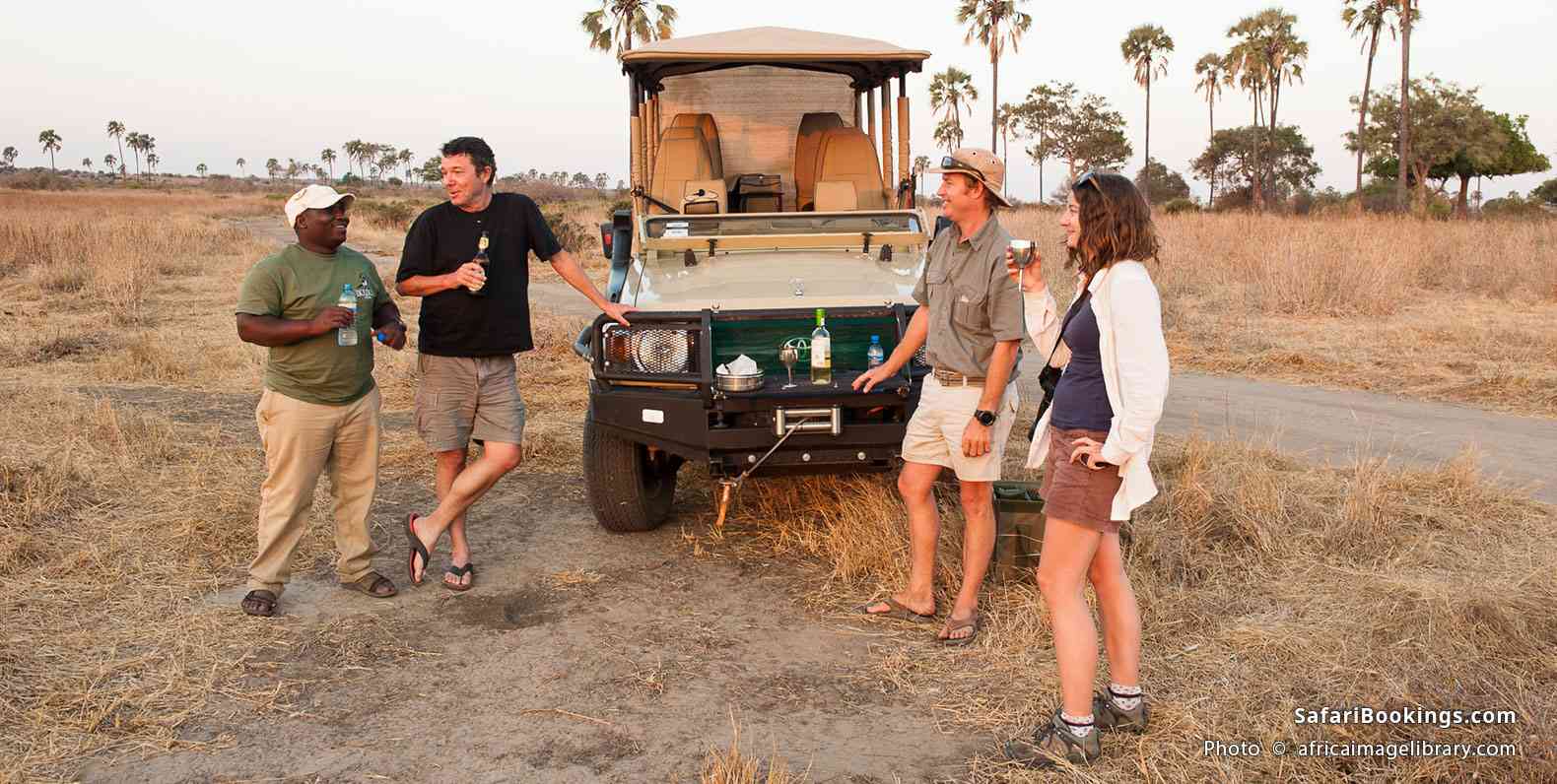
Recommended Tip: $10–$20 per day per guest.
2. Lodge Staff
This includes housekeepers, cooks, waitstaff, and porters. They keep your accommodations comfortable, meals delicious, and luggage handled with care.
Recommended Tip: $2–$5 per day per staff member.
3. Trackers and Boat Captains
Specialized services like gorilla trackers, golden monkey guides, or boat captains for river safaris also deserve acknowledgment. Their skills and patience are critical to unique wildlife encounters.
Recommended Tip: $5–$10 per person per day.
Tipping Etiquette on Safari
Tipping is appreciated, but there’s a respectful way to do it:
-
Use an envelope: Presenting cash discreetly in an envelope is considered polite.
-
Avoid coins: Small coins may be seen as disrespectful. Stick to notes whenever possible.
-
Tip at the end of the safari: While some guests tip daily, giving tips at the conclusion of the trip is common and convenient.
-
Be culturally sensitive: Respect local customs and express gratitude personally when handing over a tip.
Tips for Managing Safari Tipping
-
Budget in Advance: When planning your Traford Safaris trip, allocate a portion of your budget specifically for tipping.
-
Carry Small Notes: It’s best to carry notes in USD or the local currency (UGX, KES, or TZS) in small denominations.
-
Keep Track of Staff: Make a note of everyone who provided exceptional service to ensure no one is overlooked.
Why Tipping Enhances Your Safari Experience
Tipping not only supports the people who make your trip seamless but also encourages excellent service and a positive atmosphere. Guides and lodge staff often remember guests who are considerate tippers, which can lead to extra care and personalized experiences during your safari.
Conclusion
Tipping is an integral part of East African safaris, reflecting your appreciation for the dedication, expertise, and hard work of guides, drivers, and lodge staff. By understanding the customary amounts, etiquette, and who to tip, you ensure your Traford Safaris adventure is rewarding for both you and the local communities that make it possible. Planning ahead for tips also makes your safari stress-free, letting you focus on the magic of Africa’s wildlife and landscapes.