
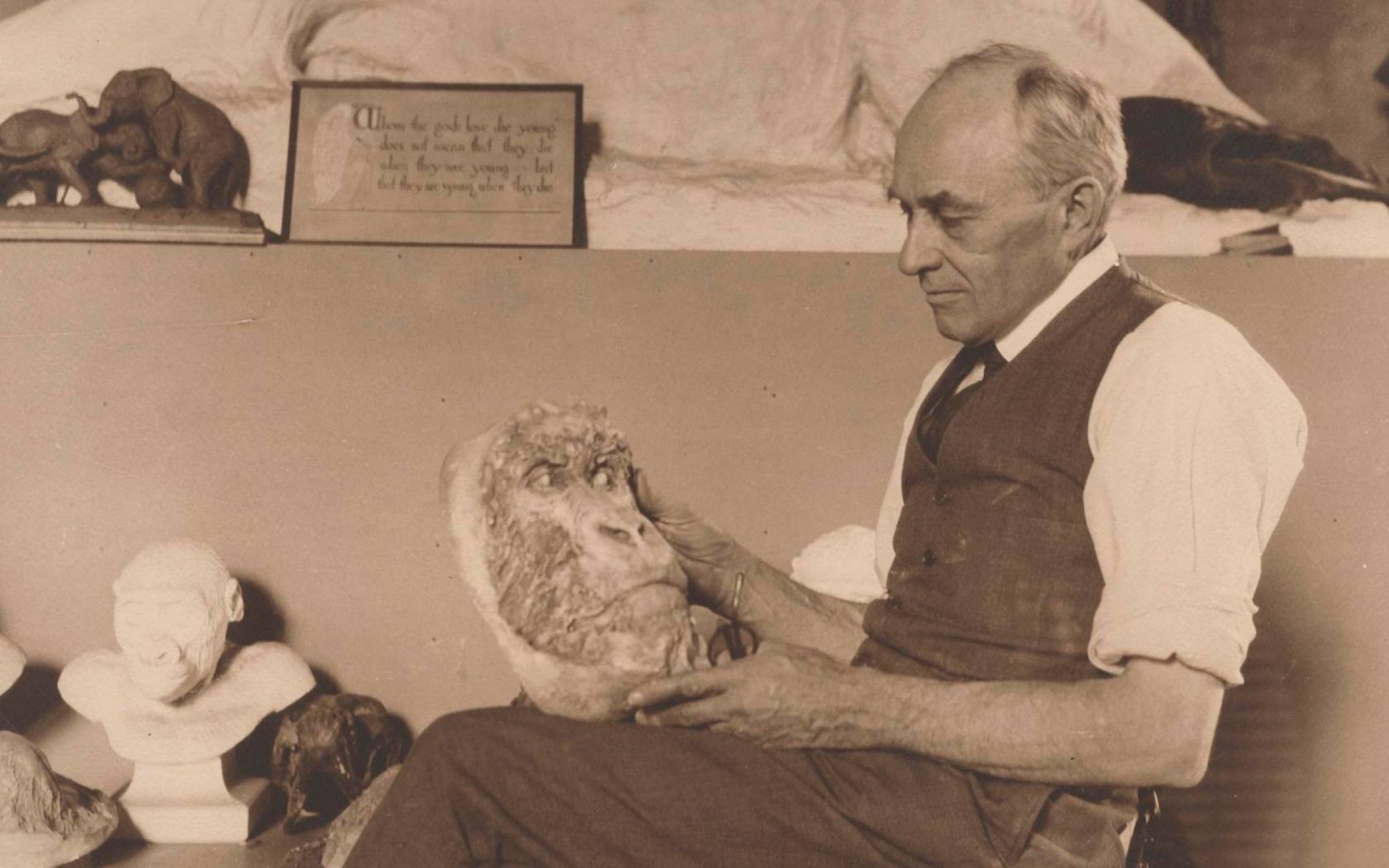
When travelers embark on a gorilla trekking adventure with Traford Safaris, they often focus on the incredible experience that awaits them in the forests of Uganda and Rwanda. Few, however, know the story of a man whose vision helped make modern gorilla conservation possible.
That man was Carl Akeley.
Known as the “Father of Modern Taxidermy,” Carl Akeley’s life was filled with adventure, discovery, and transformation. His journey from collecting wildlife specimens to becoming one of the earliest advocates for gorilla conservation remains one of the most remarkable stories in African wildlife history.
Today, every gorilla trek offered by Traford Safaris owes something to the conservation foundations that pioneers like Akeley helped establish nearly a century ago.
Who Was Carl Akeley?
Carl Ethan Akeley was born in New York in 1864 and grew up with a passion for animals and the natural world. He became famous for revolutionizing taxidermy, creating lifelike wildlife displays that transformed museum exhibitions around the world.
At a time when many explorers and scientists collected animals for study and display, Akeley traveled extensively across Africa in search of wildlife specimens. His expeditions took him through some of the continent’s most remote wilderness areas, where he encountered elephants, lions, leopards, and, most importantly, mountain gorillas.
Like many naturalists of his era, Akeley initially viewed wildlife through the lens of scientific collection. However, his encounters with mountain gorillas would profoundly change his perspective.
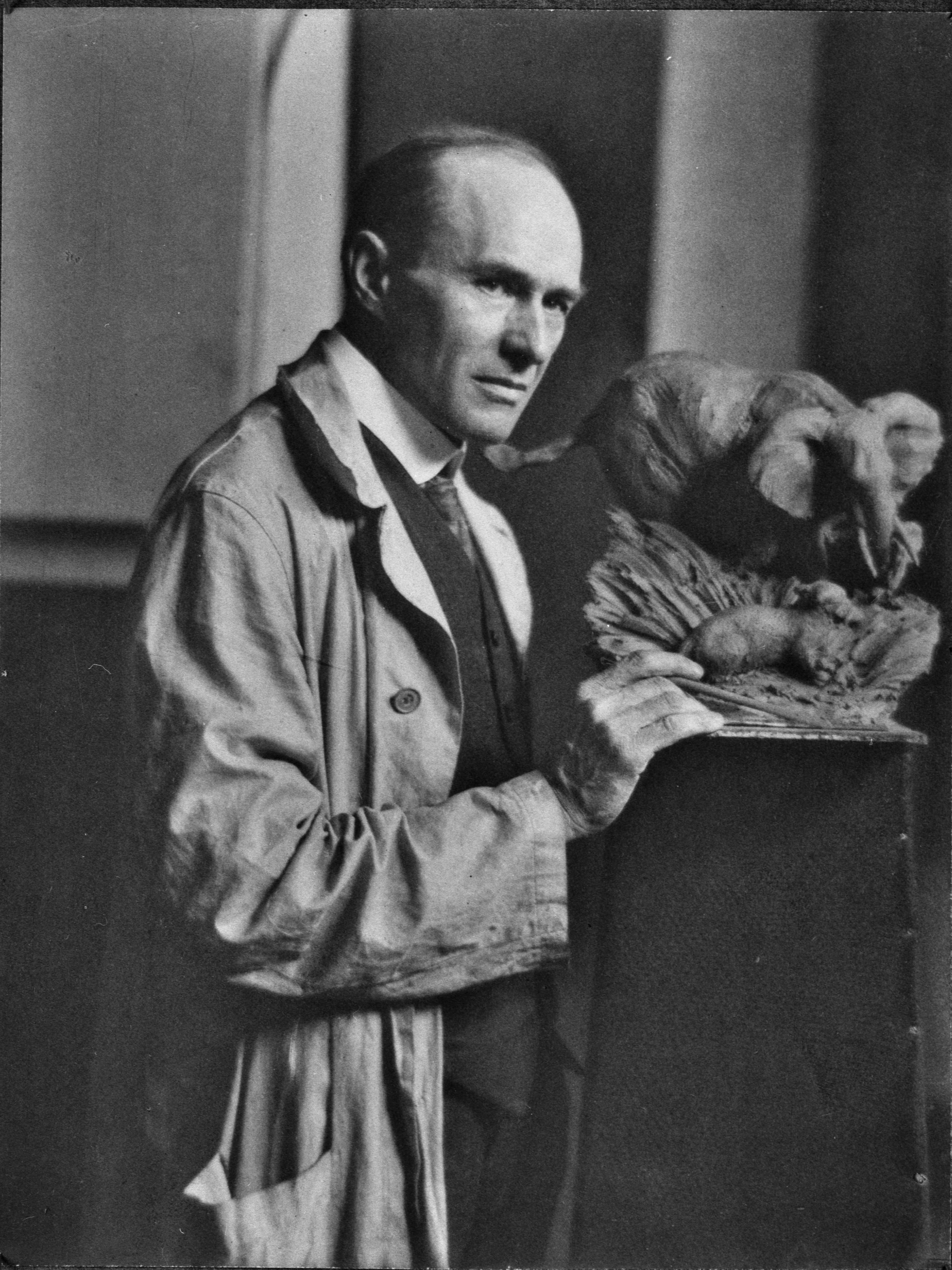
Discovering the Gentle Giants
In the early twentieth century, mountain gorillas were poorly understood. Popular accounts often portrayed them as fierce and dangerous creatures. Few people had ever observed them in their natural habitat.
Akeley’s expeditions into the Virunga Mountains brought him face-to-face with these magnificent apes. What he witnessed challenged everything he had been told.
Instead of aggressive monsters, he found intelligent, social animals living peacefully in family groups. He observed mothers caring for their young, silverbacks protecting their families, and gorillas displaying behaviors strikingly similar to those of humans.
These encounters transformed Akeley from a collector of wildlife into a passionate advocate for its protection.
A Change of Heart
Perhaps the most remarkable aspect of Carl Akeley’s story is his personal evolution.
At a time when hunting was widely accepted among explorers and scientists, Akeley began to recognize that mountain gorillas were vulnerable and needed protection. He realized that future generations might never have the opportunity to see these animals if conservation measures were not introduced.
His change of heart represents one of the earliest examples of a wildlife explorer becoming a conservation champion.
Today, many conservation movements are built upon the idea that wildlife is worth more alive than dead. Carl Akeley was among the first influential figures to promote this way of thinking regarding mountain gorillas.
Helping Create Africa’s First National Park
Akeley’s growing concern for mountain gorillas led him to advocate for the protection of their habitat.
His efforts played a significant role in convincing Belgian authorities to establish Albert National Park in 1925, which is now known as Virunga National Park.
This was a historic achievement for conservation.
Not only was Virunga the first national park in Africa, but it also provided the first large-scale protection for mountain gorillas and the forests they depended upon for survival.
Without this groundbreaking step, the future of mountain gorillas might have been very different.
The Foundation of Gorilla Conservation
Long before the work of Dian Fossey, George Schaller, and modern conservation organizations, Carl Akeley was sounding the alarm about the need to protect mountain gorillas.
His photographs, writings, and public advocacy helped change perceptions about gorillas and inspired greater interest in their conservation.
The protected landscapes that visitors explore today during gorilla trekking adventures in Uganda and Rwanda are part of a conservation legacy that began with pioneers like Akeley.
At Traford Safaris, we believe that understanding this history enriches the gorilla trekking experience. Every trek is not only an encounter with one of the world’s rarest animals but also a journey through a remarkable conservation success story.
From a Few Hundred to Over 1,000 Gorillas
When conservation efforts for mountain gorillas began, their future was uncertain. Habitat loss, hunting, disease, and human encroachment threatened their survival.
Over the decades, the combined efforts of governments, conservation organizations, researchers, park authorities, local communities, and responsible tourism operators have helped reverse this trend.
Today, mountain gorilla numbers have surpassed 1,000 individuals, making them one of the few great ape species whose population is increasing.
Responsible gorilla tourism has played a major role in this achievement. Revenue generated through gorilla permits helps fund conservation activities while creating economic opportunities for communities living near protected areas.
This is why Traford Safaris remains committed to promoting sustainable tourism that benefits both wildlife and local communities.
Carl Akeley’s Final Wish
Carl Akeley’s dedication to mountain gorillas was so profound that when he died during an expedition in the Congo in 1926, he requested to be buried in the Virunga Mountains.
His grave rests on the slopes of Mount Mikeno, overlooking the forests and gorillas he worked so hard to protect.
It is a fitting tribute to a man whose legacy continues to shape conservation efforts nearly a century later.
Why His Story Matters to Travelers Today
For many visitors, gorilla trekking is the highlight of an African safari. The opportunity to sit quietly among a gorilla family and observe their natural behavior is often described as a life-changing experience.
Yet these encounters would not be possible without the vision of conservation pioneers like Carl Akeley.
By helping the world see gorillas as intelligent, valuable, and worthy of protection, he laid the groundwork for the conservation programs that safeguard them today.
When you travel with Traford Safaris to see mountain gorillas in Uganda or Rwanda, you become part of this ongoing conservation story a story that began with a man who transformed from hunter to protector.
Conclusion
Carl Akeley’s journey from wildlife collector to conservation advocate remains one of the most inspiring chapters in African conservation history. His efforts helped establish Africa’s first national park, changed public perceptions of mountain gorillas, and laid the foundation for the conservation successes we celebrate today.
As mountain gorilla populations continue to recover, Carl Akeley’s legacy lives on in every protected forest, every successful conservation project, and every unforgettable gorilla trekking experience.
At Traford Safaris, we are proud to share the story of these remarkable animals and the people who helped secure their future. By visiting the mountain gorillas of Uganda and Rwanda, travelers not only witness one of nature’s greatest spectacles but also support a conservation journey that began nearly a century ago.